What should you look for when buying?
First decide whether movement, the whole façade, distant details or changing light is your main priority. Then check the camera specifications that matter for your particular shooting position.
| What you need |
What to check when buying |
Who is it important to? |
| Capture moving subjects in focus |
Check for continuous autofocus for stills and subject tracking; a sufficiently fast shutter speed is still essential. |
If I want to capture people in focus in front of a façade, I look for autofocus for stills with tracking and a fast shutter speed. Around 36 % of consumers put moving subjects first. |
| Fit the whole house in the frame |
Compare the angle of view at the wide end and assess it from your intended shooting position; consider the edges of the frame and perspective. |
If I can’t step back in a narrow street, the façade needs to fit in the frame from where I’m standing. Around 29 % of consumers prioritise the angle of view for whole houses. |
| Bring distant details closer |
Compare the optical telephoto focal length in 35mm-equivalent terms; consider digital zoom separately. |
If roof sections or carvings are a long way off, I need a suitable optical field of view without being able to change position. Around 21 % of consumers put details like these first. |
| Expose for changing light |
Check the maximum aperture at the zoom setting you’ll use and the type of image stabilisation. |
In sun and shade, I want to control exposure and avoid camera shake without confusing stabilisation with freezing people in motion. Around 14 % of consumers prioritise changing light conditions. |
Camera options at Joybuy
The Joybuy options below range from pocket and mini cameras to digital cameras. Before you buy, make sure the angle of view, autofocus for stills and optical zoom range suit the half-timbered buildings you want to photograph.
 No image available
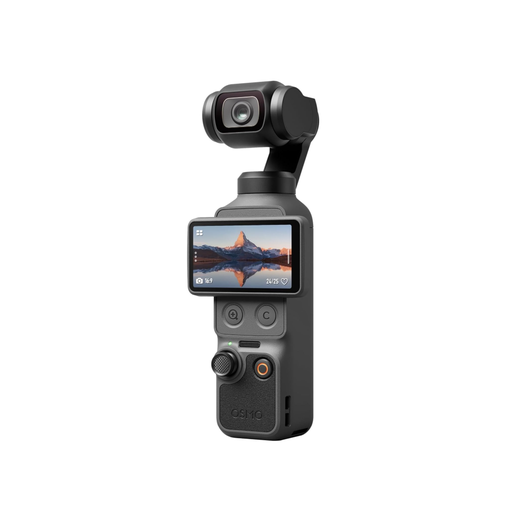
DJI Osmo Pocket 4 Standard Combo
If you’re looking for a pocket camera, check whether its listed video and zoom features suit your needs.
The product title lists a 1″ CMOS sensor, 4K/240fps video, 3-axis stabilisation, 2× lossless zoom, 107GB of built-in storage and a 2″ rotating screen.
Joybuy
 No image available
Rollei Mini Digital Camera Black
If a mini camera is an option for you, compare the specifications of the exact model with your needs for photographing façades and moving subjects before choosing.
Joybuy
 No image available
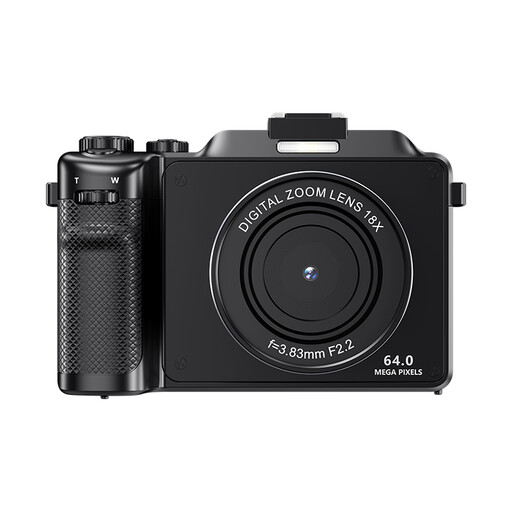
KOMERY X9 Digital Camera, Black
If you want autofocus and adjustable framing, check whether the zoom specification is suitable for the distant half-timbered details you want to photograph.
The product title lists 64 MP, autofocus, 18× zoom and a flash.
Joybuy
 No image available
KOMERY G7 5K Digital Camera, White
If you need adjustable framing, check whether the zoom and autofocus specifications suit the way you’ll use the camera.
The product title lists 80 MP, 5K video and 18× zoom.
Joybuy
 No image available
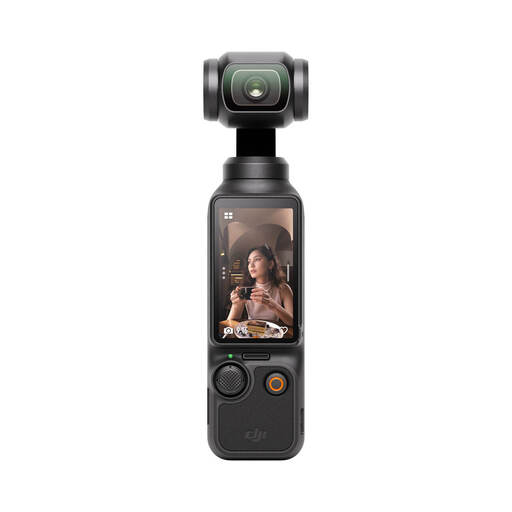
DJI Osmo Pocket 3
If you’re considering a pocket camera for moving subjects, check that its autofocus for stills and tracking features suit the way you’ll use it.
The product title lists a 1-inch CMOS sensor, 4K/120fps video, 3-axis stabilisation, fast focusing, and face and subject tracking.
Joybuy
Frequently asked questions
What settings should I use when someone walks past a half-timbered house?
If you want the person to appear sharp, choose a shutter speed fast enough for their movement and, if the model offers it, use continuous autofocus for stills or subject tracking. A slower shutter speed can work creatively if you want the person to appear blurred. Stabilisation alone won’t freeze them in motion.
Can I photograph a half-timbered façade from the street and publish the image?
Under certain conditions, § 59 UrhG permits photographs of works permanently located in public paths, streets or squares, as well as their distribution and public display; for buildings, this applies to their exterior appearance. This does not separately address the rights of identifiable people shown in the image.
Can I publish a photo showing identifiable passers-by?
Not as a general rule: § 22 KunstUrhG generally requires consent to distribute or publicly display portraits. § 23 sets out exceptions, such as people who are merely incidental to a location; even then, the legitimate interests of those depicted must not be infringed. Whether a particular person is merely incidental depends on the image.
What should I check before using the camera after buying it?
Before taking photos, check which memory card is compatible with the exact model, make sure the battery is charged and select the autofocus mode for stills. Fujifilm lists SD cards and RAW for the X100VI; other models and variants have their own requirements.
Who should I contact if my camera develops a fault?
If there’s a fault, statutory consumer rights against the seller are separate from any voluntary guarantee. According to Verbraucherzentrale, you should first ask for the fault to be remedied by repair or replacement; check the specific guarantee terms separately.


