For shaded forest paths without a tripod, weigh up maximum aperture, the field of view you need and stabilisation together. A high zoom factor alone tells you little about how a camera performs at the telephoto end in low light. If you want to zoom in on distant details from the path, the optical zoom range matters more; if you often go out in rain or cold, check the model’s clearly stated durability limits.
Which camera considerations matter to you?
Photographers on shaded paths
If you mainly want to capture woodland scenes and paths without a tripod, consider maximum aperture, field of view and stabilisation together. Canon lists an aperture range of F1.8–2.8 for the PowerShot G7 X Mark III; Fujifilm gives a stabilisation rating for the X100VI under CIPA conditions.
Walkers capturing a range of subjects
If you want to photograph both wide views and distant details from the path, choose a focal-length range that suits your subjects. Sony lists 24–200 mm for the RX100 VII, while Panasonic gives 24–720 mm for the TZ99 when shooting 4:3 photos.
Photographers out in rough weather
If you often head out in wet or cold conditions, check the specific limits stated for the model you’re considering. OM SYSTEM lists, among other things, waterproofing to 15 m and freezeproofing to −10 °C for the TG-7.
What to look for when buying
| Priority |
What to check when buying |
Who this matters most to |
| Handheld shots in low light |
Consider the aperture at the field of view you’ll use alongside stabilisation. |
If I’m taking photos on shaded forest paths without a tripod, I want to weigh up maximum aperture and image stabilisation for the framing I need. Around 33% of consumers put handheld photography in low light first. |
| Changing your framing |
Compare the optical focal-length range and the maximum aperture at the telephoto end. |
If I want to photograph both the path and distant details from the same spot, the available zoom range is important to me. Around 27% of consumers prioritise switching between wide and distant subjects. |
| Wet and cold conditions |
Check the durability claims and limits for the exact model. |
If I’m out in the rain or cold, I want to rely on clearly stated operating limits. Around 20% of consumers prioritise weather protection. |
| Carrying comfort |
Compare the weight, including the battery and memory card, on a like-for-like basis. |
If I want to carry less kit on longer walks, the camera’s weight matters too. Around 20% of consumers put carrying comfort first. |
Common compact camera buying pitfalls
-
Choosing solely by the biggest zoom factor
A long zoom range doesn’t automatically mean the lens will let in plenty of light at the telephoto end for shaded subjects. Panasonic lists a 24–720 mm range for 4:3 photos on the TZ99, with a maximum aperture of F6.4 at the telephoto end.
Check the focal length and maximum aperture at the end of the zoom range you’re likely to use most.
-
Assuming stabilisation guarantees sharp handheld shots
Image stabilisation helps counter camera movement, but it can’t promise the same results in every shooting condition. Fujifilm’s six-stop rating for the X100VI applies under the stated CIPA conditions.
Factor stabilisation into your decision alongside maximum aperture, field of view and the conditions you’ll be shooting in.
-
Assuming every compact camera is weatherproof
Stated durability limits apply to specific models. OM SYSTEM lists such limits for the TG-7; you can’t assume that other cameras offer the same protection.
If you often take photos in wet or cold conditions, check the durability claims for the exact model.
Camera brands at a glance
Canon
The PowerShot G7 X Mark III is a compact zoom camera for paths and nearby subjects.
- Canon lists a 24–100 mm full-frame equivalent focal length, F1.8–2.8, optical stabilisation and a weight of around 304 g with battery and card.
- Its telephoto reach is shorter than that of the travel zooms featured here; manufacturers’ specifications are not a comparative image-quality test.
Sony
The RX100 VII offers a versatile range of framing options in a compact camera.
- Sony lists a 24–200 mm focal-length range, an electronic viewfinder and optical stabilisation for photos.
- According to Sony, the maximum aperture ranges from F2.8 at the wide-angle end to F4.5 at the telephoto end.
Panasonic
The LUMIX TZ99 is designed as a travel zoom for subjects at a range of distances.
- Panasonic lists a 24–720 mm range for 4:3 photos, a 1/2.3-inch sensor and an F3.3–6.4 aperture range.
- According to Panasonic, five-axis HYBRID O.I.S.+ does not apply to 4K video recording; photo and video stabilisation aren’t the same thing.
OM SYSTEM
The Tough TG-7 is aimed at trips where documented durability matters.
- OM SYSTEM lists waterproofing to 15 m, shockproofing to 2.1 m, freezeproofing to −10 °C, a 12 MP sensor and a 25–100 mm focal-length range for the TG-7.
- These manufacturer’s specifications don’t demonstrate independently measured superiority in low light.
Fujifilm
The X100VI is designed for considered photography with a fixed 35 mm field of view.
- Fujifilm specifies an APS-C sensor, an F2 aperture and sensor-based stabilisation. Its six-stop rating applies under the stated CIPA conditions.
- The fixed lens has no optical zoom, so you can’t zoom in on distant details.
Ricoh
The GR IIIx is a compact camera with a fixed focal-length lens and a narrower field of view.
- Ricoh lists an APS-C sensor, a 40 mm full-frame equivalent focal length and three-axis sensor-shift stabilisation for the GR IIIx.
- The field of view is fixed; Ricoh offers the GR III with a 28 mm lens as an alternative.
Joybuy cameras for days out
The Joybuy products below include compact pocket, digital and action cameras. Before buying a model aimed at vlogging or action, check whether its stated photo features are suited to handheld shots on shaded forest paths.
 No image available
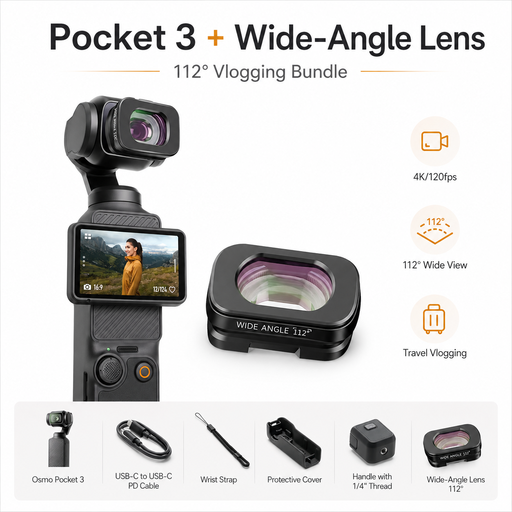
DJI Osmo Pocket 3 Standard Combo + ULANZI F35 112° wide-angle lens
This bundle is described as a pocket vlogging camera with a wide-angle lens for landscapes; the product title also mentions a 1-inch CMOS sensor and 4K/120fps. These details don’t tell you how it performs in low light.
View at Joybuy
 No image available
Komery W6 digital camera, 12x optical zoom
The product title lists 12x optical zoom, 4K and Wi-Fi. Check whether the stated features and zoom range suit the subjects you want to capture on your walk.
View at Joybuy
 No image available
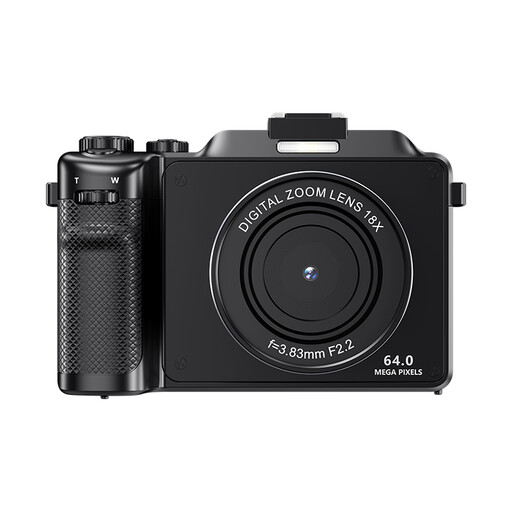
KOMERY X9, 64 MP, 18x zoom, black
The product title lists 64 MP, autofocus, a flash and 18x zoom. Before buying, check whether these specifications meet your photography needs on a trip.
View at Joybuy
 No image available
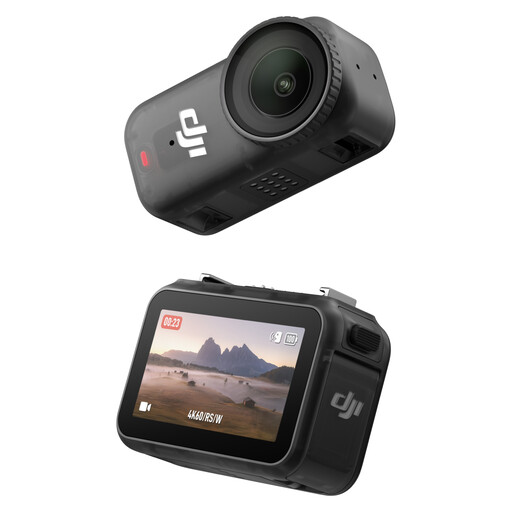
DJI Osmo Nano Standard Combo (128GB)
The product title describes a compact vlogging camera with a 1/1.3-inch sensor, 143° wide-angle video and 4K/60fps. Check whether the stated photo and video features suit the way you plan to use it.
View at Joybuy
 No image available
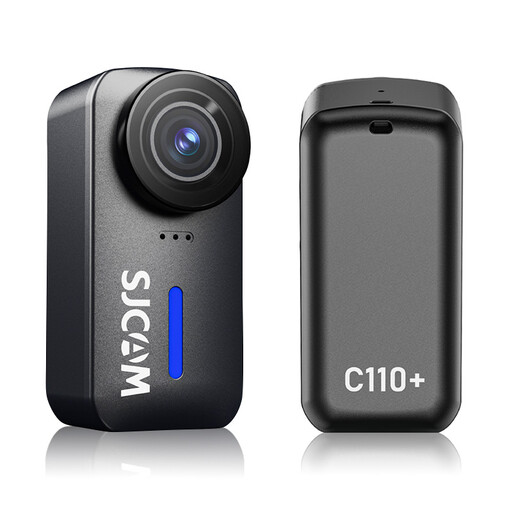
SJCAM C110+ 4K action camera
The product title lists a 170° wide-angle lens, an F1.8 aperture and 20 MP photos. The case is required for the stated waterproof protection; video stabilisation shouldn’t be taken as a claim about photo stabilisation.
View at Joybuy
Frequently asked questions
Can I leave a waymarked path in Harz National Park to take a photo?
No. The Harz National Park Authority says you must stick to waymarked paths and observe path closures. This rule applies within the national park, not to every forest path in the Harz Mountains.
Does image stabilisation always make a tripod unnecessary on shaded paths?
No. Image stabilisation helps counter camera movement, but it can’t replace a tripod in every situation. Also compare the maximum aperture at the field of view you’ll use, and check your shots while you’re out there.
What should I check before a trip in terms of operation and care?
Check the charging port, compatible memory card and documented operating conditions for the exact model. If you regularly head out in wet weather, look for clearly stated durability specifications rather than assuming protection from the product name.
Who is responsible if my camera develops a fault after purchase?
If you buy from a retailer, your statutory consumer rights are against the seller; a voluntary guarantee is separate. The consumer advice centre also explains that online purchases generally come with a 14-day right to cancel.


