What should you look for when buying?
If you’re choosing a compact camera for heather in bloom in changing daylight, your main subject will determine whether a fast lens, zoom range, portability or close focus matters most.
| What you need |
What to check before buying |
Who is it important to? |
| Wide views in changing light |
Compare the 35mm-equivalent wide-angle focal length, maximum aperture and available exposure controls on the specific model. |
If I’m photographing landscapes and nearby flowers in the morning or evening light, a suitable angle of view matters more to me than a long telephoto reach. Around 40% of consumers prioritise light performance and landscapes. |
| Distant subjects |
Check the optical zoom range, aperture at the telephoto end and the intended shooting format. |
If I want to photograph distant subjects from a permitted path, being able to vary my framing matters more to me than having a fixed focal length. Around 30% of consumers prioritise reach. |
| Taking your camera on longer walks |
Compare the weight, including the battery and memory card, as well as the dimensions and ease of use. |
If I want to take my camera hiking, it needs to be easy enough to carry without compromising on the controls I need. Around 20% of consumers prioritise portability. |
| Close-up flower details |
Compare close-focusing distances at wide angle and telephoto, and consider where you’ll need to stand. |
If I want to photograph individual flowers, I pay particular attention to how close I can focus at my chosen focal length. Around 10% of consumers prioritise close-up details. |
Joybuy products for days out
The following Joybuy products include cameras for days out and models with different ways to frame your shots. For views of the heather and close-up flower details, check that the zoom, close-focusing distance and lens specifications suit your subject.
 No image available
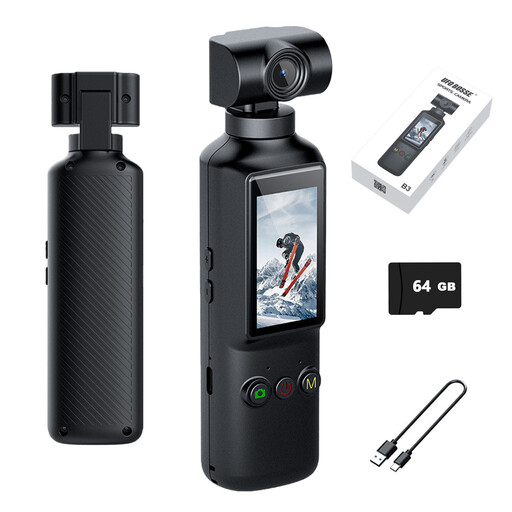
KINSI Mini Pocket Camera, 16 MP
A rotating lens could be useful if you want flexibility when framing shots on the go; check that this camera style suits the landscapes and flowers you want to photograph.
The product title specifies a 270° rotating lens, 16 MP, 4K video at 30 frames per second, a 5.1 cm HD display, Wi-Fi, a 1000 mAh battery and a USB-C port.
View at Joybuy
 No image available
DJI Osmo Pocket 4 Standard Combo
If you want a stabilised handheld camera for taking photos or filming, the product title specifies 3-axis stabilisation.
The product title specifies a 1″ CMOS sensor, 4K/240fps, 2× lossless zoom, 107 GB of built-in storage and a 2″ rotating screen.
View at Joybuy
 No image available
KOMERY W6, 12× optical zoom
A variable frame can be useful for distant subjects; the product title specifies 12× optical zoom.
The product title also specifies 4K video, Wi-Fi and 64 MP.
View at Joybuy
 No image available
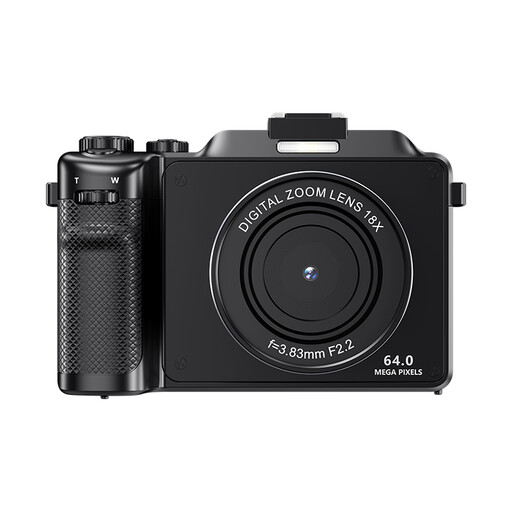
KOMERY X9, 18× zoom
If you want to vary your framing, the zoom feature mentioned in the product title may be relevant; check which type of zoom it refers to before buying.
The product title specifies 64 MP, autofocus, flash and 18× zoom. It doesn’t specify the type of zoom.
View at Joybuy
 No image available
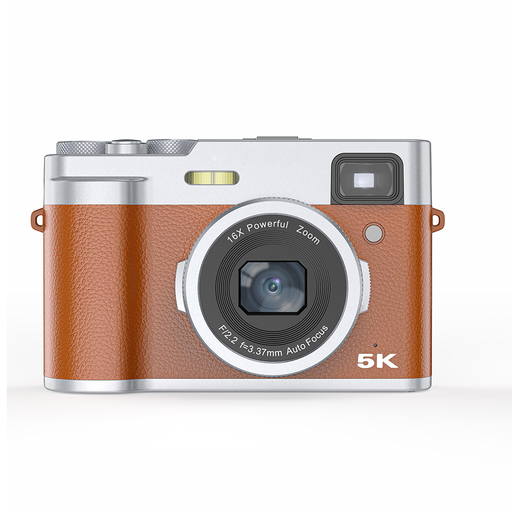
Songdian Retro Digital Camera, 48 MP
An optical viewfinder could suit you if you prefer to look through the viewfinder when framing a shot.
The product title specifies 48 MP, autofocus, an optical viewfinder and a 2.8-inch LCD display with a 5K specification.
View at Joybuy
Frequently asked questions
Which specification should I compare first for views of the heather?
Compare the 35mm-equivalent angle of view for the type of shot you want, and the maximum aperture at the focal length you’ll actually use. Panasonic specifies different equivalent ranges for the TZ300 depending on the aspect ratio; for 3:2 photos, it’s 24–360 mm.
How should I prepare a compact camera for a long photography walk?
Before buying, check the weight with the battery and memory card, and make sure you know which memory card fits the camera. Take a charged battery and plenty of storage on your trip; whether you need a spare battery depends on how long you’ll be using the camera.
Should I choose a particular camera model because of the warranty or ongoing costs?
No, don’t choose a model solely because of its warranty or possible ongoing costs. Compare the memory card, power supply and any accessories you may need with the way you plan to use it. The Verbraucherzentrale distinguishes the statutory consumer rights you have against the retailer from a voluntary manufacturer’s warranty, and explains your rights if a product is faulty within the first two years.
Can I leave the path to take a flower photo in the Lüneburger Heide nature reserve?
Generally, no: Section 16(2) of the Lower Saxony Nature Conservation Act prohibits entering a nature reserve away from the paths, unless the relevant regulations allow an exception. Check the signs and any possible exceptions at your specific location; Lüneburger Heide GmbH also advises visitors to stay on the paths. This applies to nature reserves, not automatically to every area of the Lüneburger Heide.
Will the 2026 heather bloom barometer still be up to date for a later photography trip?
No, the barometer records the 2026 season and doesn’t show what the heather will look like on a future date. Lüneburger Heide GmbH notes that the start and end of the flowering season depend on the weather, and that different heather areas develop at different rates. Check the latest conditions before your photography trip.


