Discoverers of tiny ice crystals
You want to capture individual, very small frost patterns in close-up, so your first consideration is the magnification ratio or close-up mode, along with the right lens.


For spontaneous close-ups of frost without changing lenses, a compact camera with a dedicated close-up mode is a natural choice. If you want to capture individual crystals in much greater detail, an interchangeable-lens camera with a suitable macro lens gives you more control over composition, but requires extra equipment. As well as magnification, check the depth of field and the temperature ratings for both the camera body and lens.
You want to capture individual, very small frost patterns in close-up, so your first consideration is the magnification ratio or close-up mode, along with the right lens.
You take spontaneous photos outdoors and want to carry as little equipment as possible. Cold-weather handling and the specifications for the particular camera model are important to you.
You want several layers of a still frost-covered subject to appear sharp, and are happy to set up your camera securely for a focus stack.
| Buying consideration | What to check | Who it matters to |
|---|---|---|
| Magnification | For a compact camera, check the close-up mode; for an interchangeable-lens camera, check the mount and the maximum magnification ratio of the specific lens. | I want to capture individual ice crystals in close-up, so I compare the close-up function or complete macro lens that will suit me. Around 36% of consumers put magnification first. |
| Cold-weather handling | Check the temperature ratings for the specific camera body; for interchangeable lenses, check the lens specifications too. Allow for the possibility of reduced battery life in cold conditions. | When I’m taking spontaneous photos on a frosty morning, I want to know the temperature limits of my equipment. Around 29% of consumers prioritise cold-weather handling. |
| Depth of field | Check whether the specific camera supports focus bracketing or focus stacking, and whether the lens is suitable; also consider using a tripod. | I want several layers of a still frost-covered subject to appear sharp and can use a stable setup to achieve this. Around 21% of consumers prioritise depth of field. |
| Overall setup | Check what’s included: does it come with a suitable lens, or is it body-only? If you’re planning to take a series of focus-bracketed shots, allow for a tripod too. | If I want to keep the cost and effort of buying and setting up my equipment down, a fixed lens is a different proposition from an interchangeable-lens system. Around 14% of consumers focus on the overall setup. |
With an interchangeable-lens camera, the magnification you can achieve depends on the lens fitted. The camera body alone doesn’t tell you how large a frost pattern will appear in the image.
Compare the complete setup and the magnification ratio of the specific lens. With an interchangeable-lens system, a separate macro lens is an additional purchase on top of the camera body.
A focusing distance of 1 cm and a magnification ratio of 1:1 describe different features. Neither tells you, on its own, how large a subject will appear in the image.
Compare sample images or the magnification ratio, rather than looking only at the minimum focusing distance.
Temperature and protection ratings apply to the specific products they refer to, not automatically to a complete kit.
Check the manufacturer’s specifications for the camera body and lens separately, and take note of the conditions of use for each.
Worth considering if you’re looking at a compact camera with a close-up mode or a weather-sealed interchangeable-lens camera body.
The EOS R system is worth considering if you’re planning to pair it with a compatible RF macro lens for close-up photography.
The E-mount system is an option if you want to pair an APS-C camera body with a separately selected macro lens.
Nikon Z macro lenses are a possible addition if you already have a compatible Z camera body or are planning to buy one.
The WG-8 is a compact camera option if you’re looking for a fixed lens and easy handling in cold conditions.
Camera options related to this topic. For frost macro photography, check the close-up range of each specific model.
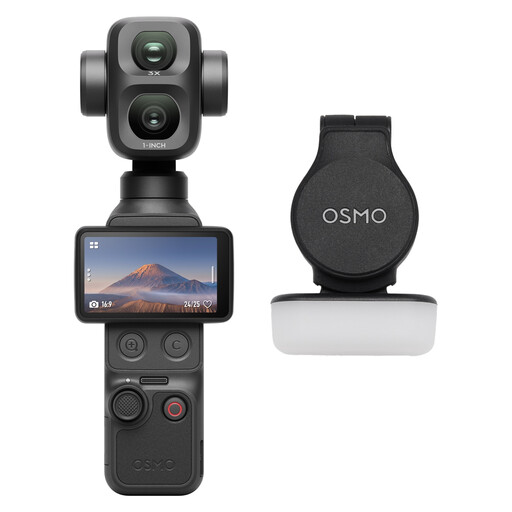 No image available
Before choosing, check whether this model’s close-up range is suitable for the size of frost pattern you want to capture.
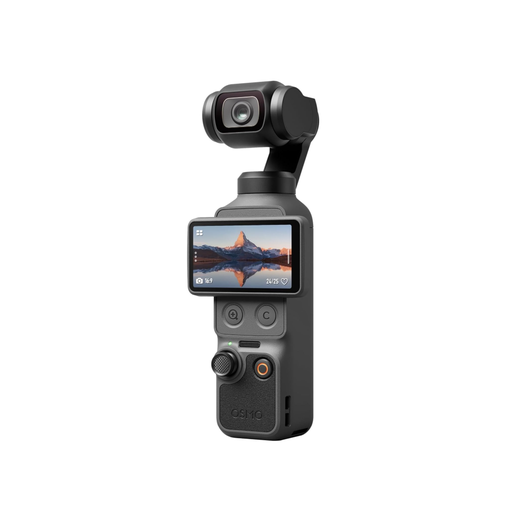 No image available
If you’re planning to shoot video as well as stills, check that the close-up range meets your needs for capturing fine frost details.
Specifications listed in the product name: 1-inch CMOS, 4K/240fps, 3-axis stabilisation, 2× lossless zoom and 107 GB of built-in storage.
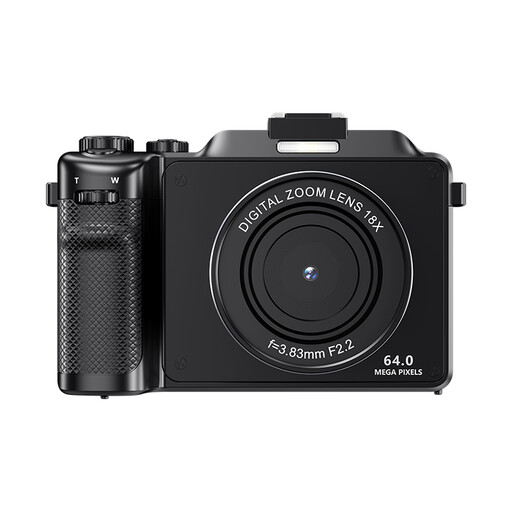 No image available
For small frost-covered subjects, check before you buy that the close-up range will give you the composition you want.
Specifications listed in the product name: 4K, 64 MP, autofocus and 18× zoom.
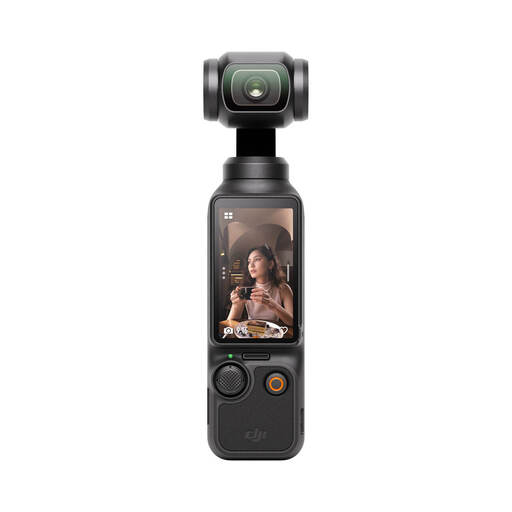 No image available
If you’re also planning to film in the garden, check whether the close-up range is suitable for the frost details you want to capture.
Specifications listed in the product name: 1-inch CMOS, 4K/120fps, 3-axis stabilisation and a rotatable 2-inch touchscreen.
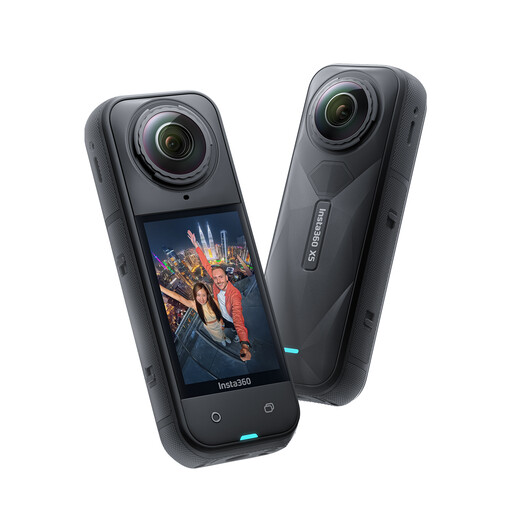 No image available
If you also want to shoot 360° video, check whether the close-up function meets your needs for capturing individual frost patterns.
Specifications listed in the product name: 8K 360° action camera and interchangeable lens.
With an interchangeable-lens camera, compare the maximum magnification ratio of the specific lens and check that its mount is compatible with the camera body. With a compact camera, the close-up mode is key: the 1 cm specified for the TG-7 refers to the focusing distance, not a magnification ratio of 1:1.
If your subject is still enough, you can mount the camera on a tripod and take several photos with different focus points, then combine them to create a greater area of sharpness. Check whether the specific camera supports focus bracketing or focus stacking, and whether the lens is compatible with the feature.
No. Check the temperature and protection ratings for the camera body and lens separately. OM SYSTEM specifies −10 °C for the OM-5 Mark II body; Canon gives the EOS R7 an operating temperature range of approximately 0 to 40 °C. These manufacturer specifications apply to the camera bodies named and are not a general statement about every camera system.
For faulty goods, you are generally entitled to a statutory guarantee of at least two years from the date you receive them; an additional manufacturer’s warranty does not replace this. Your Europe, the European Union’s information portal, also explains that distance purchases generally come with a 14-day right to cancel, subject to legal exceptions.