Panorama photographers
If you photograph wide pastures in sunshine, cloud or shifting shade, carefully choosing your framing and controlling exposure can make a real difference.


Choose your camera based on the framing you want first. Optical zoom helps bring distant huts and details closer, while a fast, short zoom or a prime lens is better suited to landscapes in fading light and considered composition. Also compare the viewfinder, weight and the specific weatherproofing conditions. A long telephoto reach alone says nothing about image quality in low light.
If you photograph wide pastures in sunshine, cloud or shifting shade, carefully choosing your framing and controlling exposure can make a real difference.
If you want to bring huts, mountain slopes or other distant subjects closer from the path, optical zoom is an important factor in your choice.
If you plan to take your camera on regular walks, it’s worth weighing up portability, the viewfinder and protection in changeable weather.
A good fit if: You want one camera for capturing both wide pastures and distant details.
The trade-off: A longer telephoto reach doesn’t guarantee better image quality in low light. The viewfinder and reviews of the specific model still matter.
A good fit if: Wide landscapes and closer details matter more to you than a long telephoto reach, and you also take photos as the daylight fades.
The trade-off: Its telephoto end doesn’t reach as far as the travel zooms mentioned here; the aperture rating doesn’t guarantee a particular result.
A good fit if: You want to compose landscape shots carefully and are happy to go without optical zoom.
The trade-off: You can’t optically zoom in on distant subjects; with the Fujifilm X100VI, the described lens protection depends on specific accessories.
| What you’re looking for | What to check before buying | Who should consider it? |
|---|---|---|
| Composing images in changing light | RAW format and exposure compensation; compare the lens speed of the specific model. | If you want to control light and framing, this flexibility matters more than a long telephoto reach. Around 36% of consumers put composition and exposure first. |
| Distant subjects | Compare the optical focal length range and check whether you want a viewfinder. | If you want huts or details on the opposite mountainside to appear larger in your shot, optical telephoto reach is particularly important. Around 29% of consumers prioritise it. |
| Taking your camera with you regularly | Compare the weight including battery and memory card, as well as the viewfinder and lens type. | If you’ll actually be carrying your camera on walks, comparing the weight of specific models could make all the difference. Around 21% of consumers put portability first. |
| Changing weather | Check the protection conditions for the camera and lens, along with any accessories required; also consider a carrying case. | If you want to take photos in changeable weather, check the specific protection conditions before setting off. Around 14% of consumers prioritise this. |
Focal length describes the framing you can achieve; it doesn’t determine image quality in fading daylight on its own. In its review, F.A.Z. Kaufkompass explicitly distinguishes between the Panasonic TZ300’s telephoto reach and its image quality.
Compare optical focal length, lens speed and detailed reviews separately.
For the lens protection described for the X100VI, Fujifilm specifies the AR-X100 adapter ring together with the PRF-49 protection filter.
Check the accessories required and the extent of the protection for your specific model before taking it out in the rain.
The adapter ring and protection filter are accessories you’ll need to check separately; make sure you have room for them, too.
The Ricoh GR IV and Fujifilm X100VI have fixed optical focal lengths, so you can’t optically zoom in on a distant subject.
If distant subjects in the pastures matter to you, compare these models directly with a camera that has optical zoom.
The RX100 VII combines optical zoom and an electronic viewfinder in a compact camera.
The Lumix TZ300 is designed around a wide optical zoom range.
The PowerShot G7 X Mark III combines a short zoom range with a high stated maximum aperture.
The GR IV is a prime-lens option with a 28 mm angle of view and an APS-C sensor.
The X100VI has a 35 mm prime lens and a hybrid viewfinder for carefully composed landscape shots.
The following Joybuy products include pocket gimbals, action cameras and digital cameras. If you’re specifically looking for a compact camera with a fixed built-in lens for landscape photography, check that each camera’s design and zoom suit the subjects you want to photograph before buying.
 No image available
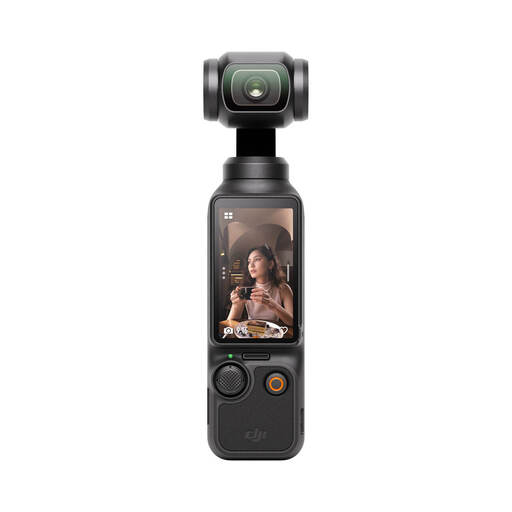
As a pocket gimbal camera, it’s a different type of device from a traditional compact camera. Check whether it suits the landscape photography you have in mind.
The product details list a 1-inch CMOS sensor, 2× lossless zoom and 4K/240fps.
Also listed: 3-axis stabilisation, 107 GB of built-in storage and a 2-inch rotating display.
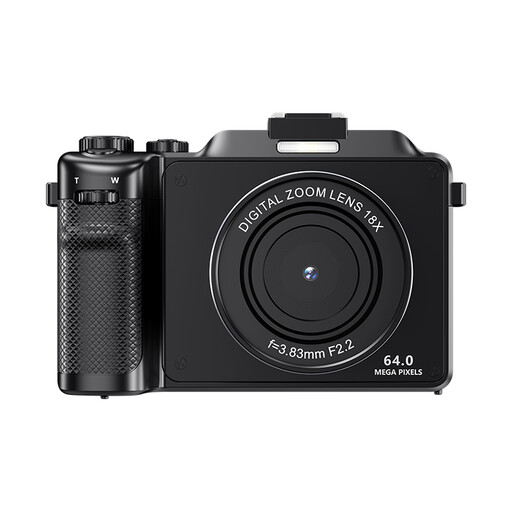 No image available
This portable digital camera is an option to compare with your mountain landscape photography needs, taking its design and stated zoom into account.
The product name lists autofocus, 64 MP, 18× zoom and a flash. If you want to photograph distant details, check whether the zoom is optical.
The accompanying description lists adjustable ISO and white balance settings.
 No image available
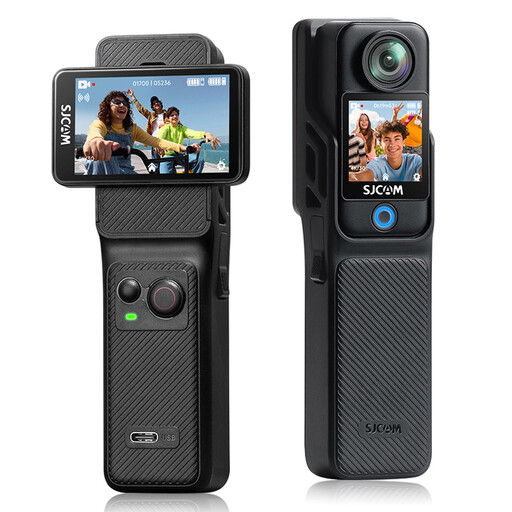
This compact gimbal camera is a different type of device from a traditional compact camera. Check whether it meets your needs for landscape photography.
The product details list a 1-inch CMOS sensor, 4K/120fps and 3-axis stabilisation.
Also listed are a 2-inch rotating touchscreen and still photo capture.
 No image available
As an action camera, it’s a different type of device from a traditional compact camera. Compare its angle of view with the landscape framing you want to capture.
The product details list a 154° wide-angle lens, 16 MP photos and 6-axis EIS.
Two touchscreens are also listed. The waterproof rating applies when the camera is used with its housing.
 No image available
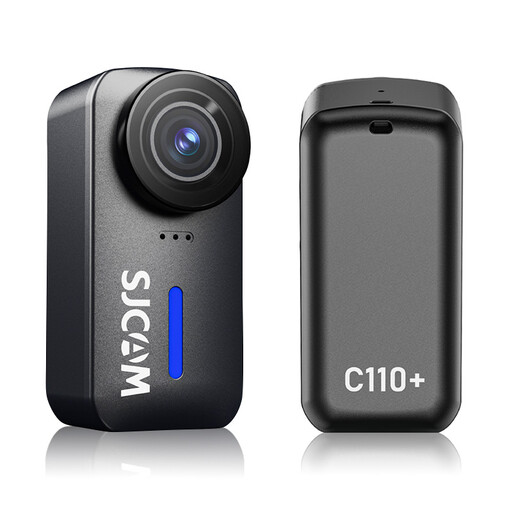
This action camera is described as compact and suitable for outdoor use. Check whether its design suits the landscape photography you have planned.
The product details list a 170° ultra-wide-angle lens, f/1.8, gyro stabilisation and 20 MP photos.
The description also lists adjustable exposure compensation.
Before buying, check whether the camera offers exposure compensation and a RAW format for post-processing. The Canon G7 X Mark III, for example, lists exposure compensation of ±3 stops, while the Fujifilm X100VI supports RAW. These features don’t guarantee a particular result.
Check your battery charge and available storage, and take suitable spare batteries and memory cards depending on your walk. In its equipment checklist, Canon Academy recommends charged spare batteries and enough memory cards. Make sure you choose a card type that’s suitable for your camera model.
If a product is faulty, the seller is generally your point of contact for your statutory rights. These are separate from a voluntary guarantee. Verbraucherzentrale explains that statutory rights are set out in law, whereas a guarantee is voluntary. The rights that apply in a particular case depend on the circumstances.
As a general rule, § 22 KunstUrhG requires consent before distributing or publicly displaying images of people. § 23 KunstUrhG sets out exceptions, for example when people appear only as incidental elements in a landscape; the legitimate interests of those pictured may limit these exceptions. These rules on publication should not be confused with a blanket ban on taking photographs.