What should you look for when buying?
First decide whether distant details or wide views matter more; then consider carrying comfort and the level of weather protection you need.
| What matters |
What to check before buying |
Who it matters most to |
| Distant terraces |
Optical telephoto focal length and stabilisation; don’t confuse digital zoom with optical zoom. |
If I want to photograph distant rows of vines or castles from the walking trail, framing is crucial. Around 36% of consumers put distant subjects first. |
| Wide views and light |
Compare the full-frame-equivalent wide-end focal length, stabilisation and lens speed for the composition you want. |
If I want to include whole hillsides and the river in my shot, and take photos in lower light too, the right perspective matters. Around 29% of consumers prioritise wide views and shooting in lower light. |
| Carrying comfort and handling |
Compare weights only where they have been measured on a like-for-like basis; check whether the specific model has a viewfinder or screen, and how it handles. |
If I want to carry my camera comfortably on longer walks and use it in a way that suits me, weight and a viewfinder matter. Around 21% of consumers put carrying comfort and handling ahead of maximum telephoto reach. |
| Protection from rain and dust |
Check the protection rating for the exact camera model; don’t assume it is weather-sealed if no rating is given. |
If I’m taking photos in rain or dust, I want clearly stated protection and may be willing to accept less telephoto reach in return. Around 14% of consumers prioritise weather protection. |
Joybuy products
This selection includes compact digital cameras for taking out and about. For distant terraces, check carefully whether the zoom is optical or digital.
 No image available
KOMERY W6 digital camera
The stated optical zoom may be useful when you want to change your framing from the same spot.
12× optical zoom; 4K recording; 64 MP.
View at Joybuy
 No image available
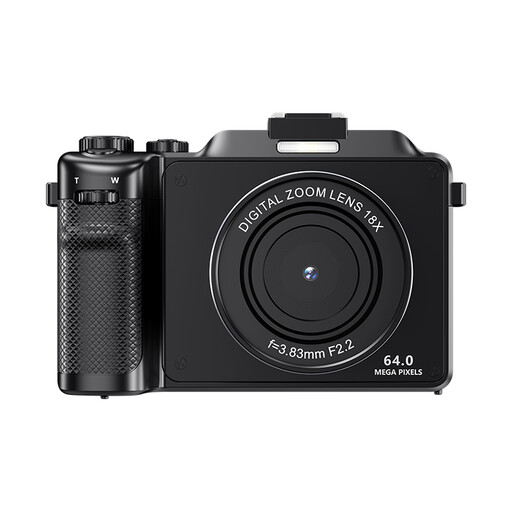
KOMERY X9 digital camera
The stated anti-shake feature may be useful for handheld shots; the zoom specification is not identified as optical zoom.
18× zoom; 4K video; 64 MP.
View at Joybuy
 No image available
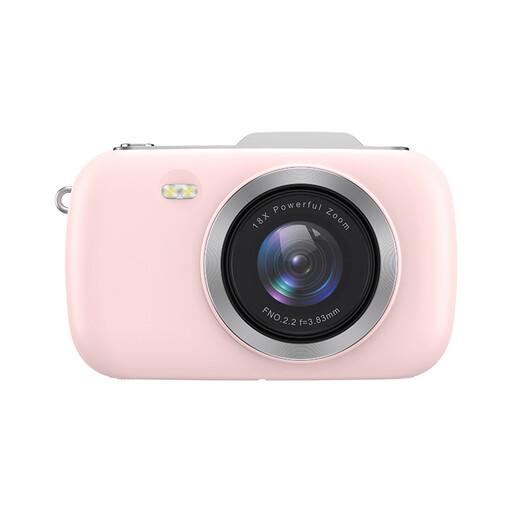
KOMERY G7-A digital camera
For distant terraces, bear in mind that the zoom specification refers to digital zoom, which is not the same as an optical telephoto range.
4K; 80 MP; 18× digital zoom.
View at Joybuy
 No image available
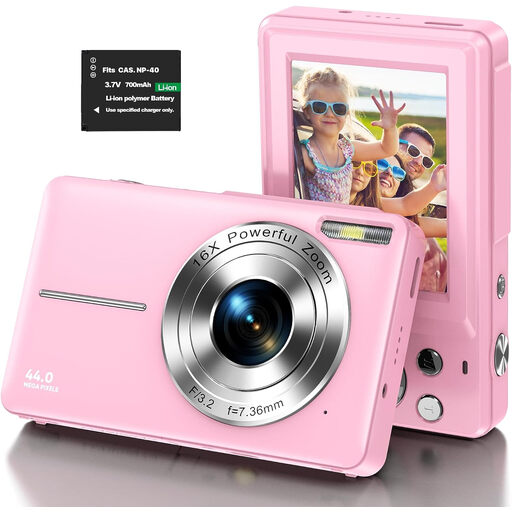
Songdian Pocket Camera 4K 64MP
For distant subjects, bear in mind that the stated zoom is digital and does not indicate a confirmed optical telephoto range.
4K; 64 MP; 16× digital zoom; autofocus.
View at Joybuy
Frequently asked questions
How can you take steady handheld photos of distant terraces?
Use optical zoom only as far as your framing requires, and pay attention to stabilisation and a sufficiently fast shutter speed. According to Canon Academy, the risk of camera shake increases at longer focal lengths; stabilisation cannot guarantee that every shot will be sharp.
What should you check when setting up your camera for the first time?
Check which memory card is compatible with your camera, charge the battery and test the stabilisation and viewfinder or screen before your trip. Fujifilm lists SD, SDHC and SDXC cards for the X100VI; check the specific card compatibility for your model.
What are your rights if you buy online and the camera isn’t right for you?
According to the Verbraucherzentrale, online purchases generally come with a 14-day right to cancel; you must notify the other party to your contract that you wish to cancel. Check the terms of your specific purchase, and don’t confuse the right to cancel with a manufacturer’s warranty.
Can you publish vineyard photos that show identifiable people?
Not in every case. Under § 22 KunstUrhG, images of people may generally be distributed or publicly displayed only with their consent. § 23 sets out exceptions, including people who appear merely as incidental features in a landscape, while still protecting legitimate interests. The data protection authority of Rhineland-Palatinate also distinguishes between taking and publishing photos of identifiable people. The specific image and how it is used are what matter.
Does freedom of panorama allow you to take any photo from a vineyard?
No. § 59 UrhG concerns the use of images of certain works that are permanently located on public paths, roads or squares; in the case of buildings, it covers their exterior appearance. The provision does not give you general permission to enter private vineyards or disregard people’s personal rights.


