For changing light at chalk cliffs, choose a camera whose angle of view and exposure features suit the subjects you’ll be photographing from a safe position. A travel zoom makes it easier to switch between coastal panoramas and distant details, while a prime lens gives you a fixed angle of view. Panasonic lists a 24–360 mm full-frame equivalent range for the DC-TZ300, while Fujifilm gives the X100VI a fixed 35 mm full-frame equivalent focal length. If you regularly shoot in the rain, explicitly stated protection, such as that offered by the OM SYSTEM TG-7, is another factor to consider. No camera can replace choosing a safe location.
Which camera suits you?
Landscape photographers who pay attention to light
You want to expose bright chalk surfaces and darker woodland deliberately, and edit your images afterwards if needed. Canon UK describes exposure bracketing for high-contrast scenes, while Fujifilm lists RAW support for the X100VI.
Coastal walkers photographing a variety of subjects
You photograph both sweeping coastal views and distant details from a path or viewpoint, without wanting to keep changing your position. Panasonic UK and Sony UK list different focal length ranges for their zoom cameras.
Photographers facing changeable weather
You want to take photos in the rain, so you’re looking for protection that’s explicitly stated rather than inferred from an outdoorsy appearance. OM SYSTEM says the TG-7 is waterproof to 15 m.
What to look for when buying
First decide whether you’ll mainly be switching between wide views and distant subjects, or working with a fixed angle of view. Then you can weigh up exposure, weight and protection more effectively.
| Priority |
What to check before buying |
Who it matters most to |
| Bright and dark areas in your images |
Check for RAW support and exposure bracketing specified for the model. Neither feature guarantees that blown highlights can be recovered. |
If I’m photographing bright chalk beside dark woodland, I want to control the bright areas and edit my images afterwards if needed. Around 36% of consumers prioritise exposure and post-processing as their main buying consideration. |
| Angle of view from a safe position |
Compare the full-frame equivalent focal length range and check whether it applies to stills or, where relevant, a tighter video crop. |
If I want to switch between a coastal overview and a cliff detail from the path, I need the right optical framing. Around 29% of consumers make this a key factor in choosing a camera. |
| Carrying it on a walk |
Check the weight with the battery and memory card, and whether the screen or viewfinder suits the way you use a camera outdoors. |
If I want to carry my camera all day, a portable design matters, but I don’t want to lose important controls. Around 21% of consumers prioritise portability and ease of use on a walk. |
| Protection from wet weather |
Check the protection rating for the exact model and read the manual; a weather-resistant-looking body doesn’t prove that it’s waterproof. |
If I want to take photos in the rain, clearly stated protection matters more than extra telephoto reach. Around 14% of consumers put weather protection at the top of their list. |
Avoiding buying pitfalls
-
Assuming more zoom means better image quality in all lighting conditions
A long focal length range describes how much you can zoom in, but doesn’t tell you how the camera will perform in low light. Panasonic lists a 24–720 mm full-frame equivalent range, a 1/2.3-inch type sensor and an F3,3–6,4 aperture for the DC-TZ99. These specifications describe different features.
Compare the framing you need with the sensor, aperture and lighting conditions you typically encounter.
-
Expecting a telephoto zoom from a prime lens
According to Fujifilm, the X100VI has a fixed 35 mm full-frame equivalent focal length; Ricoh Imaging Europe gives the Ricoh GR IV a focal length of around 28 mm full-frame equivalent. Neither can optically bring distant cliff details closer.
Before you buy, consider whether wide views will be enough or whether distant details are important subjects for you.
-
Confusing outdoor suitability with a safe location
The TG-7’s waterproofing won’t protect you from cliff falls. Jasmund National Park warns that cliff falls may occur and recommends keeping your distance and using the marked clifftop path.
First plan a safe, permitted place to take photos, then choose a camera and focal length to suit it.
-
Assuming the TZ300 has the viewfinder of its predecessor
An independent review by digitalkamera.de points out that the Panasonic DC-TZ300 lacks the electronic viewfinder found on its predecessor.
Check the specifications for the exact model, especially if you prefer to use a viewfinder in bright daylight.
Camera brands to consider
Panasonic
The Lumix DC-TZ300 is a zoom option for changing your framing. Panasonic lists a 24–360 mm full-frame equivalent range and a 1.0-inch type sensor.
- Its focal length range can cover both coastal panoramas and distant details.
- According to digitalkamera.de, unlike its predecessor, the DC-TZ300 doesn’t have an electronic viewfinder.
Sony
According to Sony UK, the RX100 VII combines a 24–200 mm full-frame equivalent range with a built-in electronic viewfinder.
- The viewfinder gives you another way to compose your shots.
- Its telephoto range is shorter than the Panasonic DC-TZ300’s, and the specifications don’t confirm that it’s waterproof.
Fujifilm
The X100VI is aimed at photographers who want a fixed angle of view and an APS-C sensor. Fujifilm lists 40,2 megapixels, RAW and a 35 mm full-frame equivalent focal length.
- The fixed angle of view encourages a considered approach to composition.
- The prime lens doesn’t offer optical zoom for distant cliff details.
Canon
According to Canon UK, the PowerShot V1 offers a 16–50 mm full-frame equivalent range and automatic exposure bracketing. The G7 X Mark III is a separate zoom option with a 24–100 mm full-frame equivalent range.
- The V1 may appeal if you want very wide perspectives and a camera for both stills and video.
- The V1 doesn’t have a built-in viewfinder, and its telephoto reach is shorter than that of the travel zoom cameras mentioned here.
OM SYSTEM
The TG-7 is an outdoor option if you expect to use it in wet conditions. OM SYSTEM lists waterproofing to 15 m, RAW and a 25–100 mm full-frame equivalent range.
- Its stated waterproofing is useful if you plan to take photos in wet conditions.
- The 25–100 mm range offers less telephoto reach than the travel zoom models mentioned here; manufacturers’ claims about durability aren’t independent comparative test results.
Ricoh
According to Ricoh Imaging Europe, the GR IV is an APS-C compact camera with a fixed focal length of around 28 mm full-frame equivalent.
- The fixed wide-angle lens suits a style of composition that doesn’t rely on optical zoom.
- You can’t optically bring distant subjects closer; claims about improvements over earlier models come from the manufacturer.
Joybuy products on this topic
The following Joybuy products include pocket, dual-lens and action cameras as compact options for stills and video. They’re not the same as traditional travel zoom compact cameras, so check that the angle of view and camera type suit the shots you’re planning to take.
 No image available
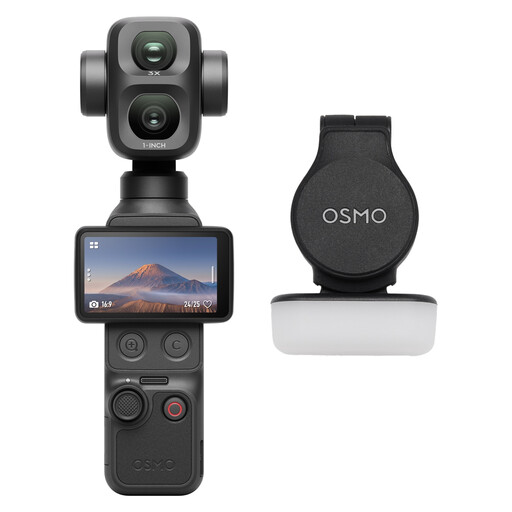
Osmo Pocket 4P – Standard Combo, Black
The pocket-sized design may suit a compact stills and video set-up; check that its perspective works for the coastal scenes you want to photograph.
View on Joybuy
 No image available
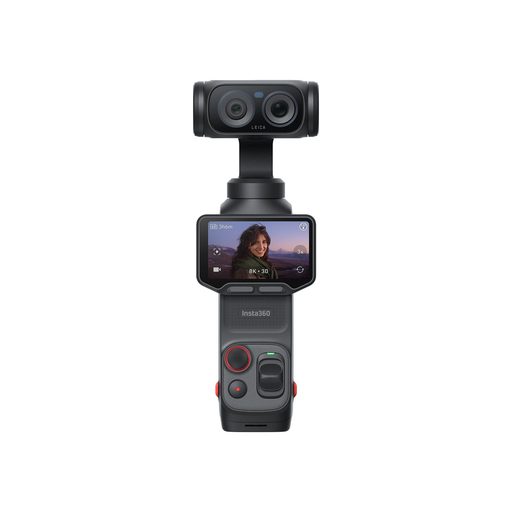
Insta360 Luna Ultra Standard Bundle, Cosmic Black
The product details describe the dual-lens system as offering different framing options. Check that the camera’s design and controls suit the shots you’re planning to take from your chosen position.
View on Joybuy
 No image available
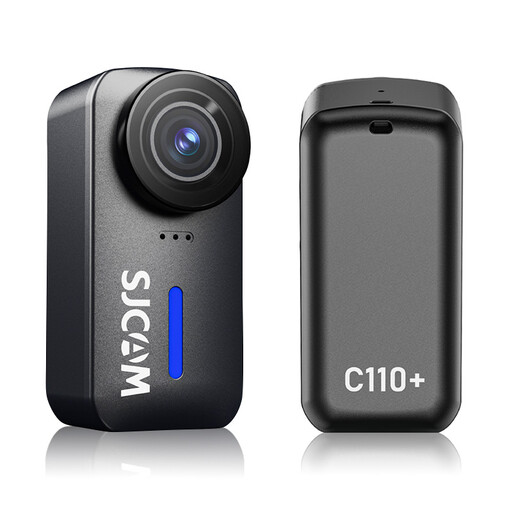
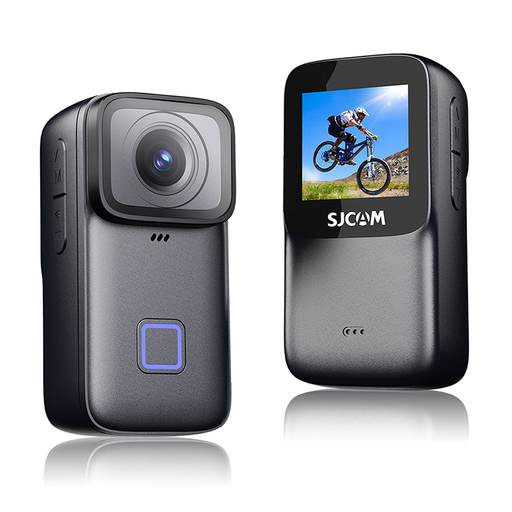
SJCAM C110+ 4K Action Camera, 170°, 20MP Photo
The product name specifies a 170° lens and photos of up to 20 MP, for when you want a very wide perspective.
View on Joybuy
 No image available
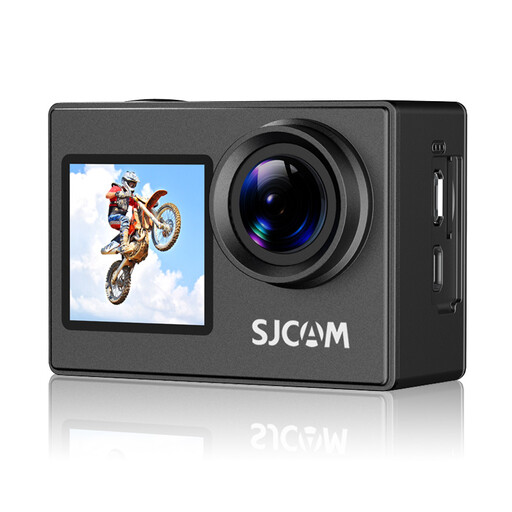
SJCAM SJ4000 Dual Screen, 4K Video, 170°, 16MP Photo
The product name specifies a 170° lens and photos of up to 16 MP. The stated waterproofing to 30 m requires the housing to be fitted.
View on Joybuy
 No image available
SJCAM C200 Pro 4K Action Camera, 135°, 20MP Photo
The product name specifies a 135° lens and photos of up to 20 MP. The stated waterproofing is 5 m without the housing or 40 m with it.
View on Joybuy
Frequently asked questions
How do I photograph white chalk and dark woodland in changing light?
Start by paying attention to the exposure of the bright areas. If your camera supports exposure bracketing and the subject is mostly still, you can take shots at different exposures and combine them later. Canon UK describes this technique for high-contrast scenes. Canon lists automatic exposure bracketing for the PowerShot V1.
Can I leave the path or fly a drone in Jasmund National Park to take a photo?
According to Jasmund National Park, you must stay on the paths in the core zones, and drones aren’t permitted in the protected area. The park authority says that permits are required for photo or film projects beyond individual personal projects. This guidance applies to Jasmund and not necessarily to every part of the Baltic coast.
Is standing directly beneath the chalk cliff an alternative to using more zoom?
No. Jasmund National Park warns of possible cliff falls and recommends using the marked clifftop path, keeping away from potential fall zones. Frame your shot from a safe, permitted location; no camera feature can remove the risk of cliff falls.
What should I prepare for a long day of photography?
Check what’s included with the exact model and make sure you have a suitable battery, charging option and memory card. OM SYSTEM recommends taking test shots before important photo sessions.


