
Lieferung heute & morgen

Qualitätsgarantie

Willkommens-Angebote freischalten: KOSTENLOSE Lieferung | Bis zu 80 % RABATT | Kostenlose 30-Tage-JoyPlus-Testphase
App herunterladen
A compact fridge can save a great deal of space in a small kitchen, studio flat or office. However, compact external dimensions do not automatically mean a practical interior layout. If you focus only on the purchase price or capacity in litres, you may overlook important details such as the door hinge, ventilation, noise level and your actual need for freezer space.
A small fridge with a high stated capacity can be less flexible than expected because of wide door compartments, fixed shelves or a poorly positioned chiller compartment. As well as the total capacity, check:
For example, a tabletop fridge with a capacity of 45 litres is suitable for drinks and small supplies, but it will generally not replace a full-size fridge for a multi-person household.
In the EU, energy efficiency classes range from A to G. The class alone does not indicate how high the annual electricity costs will be. The stated annual consumption in kilowatt hours, room temperature, frequency of use and installation location are also relevant.
Where possible, compare the figures on the EU energy label. An energy-efficient fridge should also not be placed directly next to radiators, cookers or in direct sunlight. A clean door seal and sufficient clearance from the wall help ensure efficient operation.
For a fridge for bedroom use or a fridge for an office or hotel room, the stated noise level is crucial. Figures such as 38, 39 or 40 dB are comparable, but they cannot replace assessing your own room conditions. In a quiet bedroom, compressor noise may be more noticeable than in a kitchen.
Also make sure the appliance is standing level. Adjustable feet can help reduce vibrations. Adequate ventilation is important too, as a build-up of heat can affect cooling performance.
Measure not only the space where the fridge will stand, but also the route to its final location. Take the door opening, skirting boards and the space needed to remove drawers into account. Freestanding appliances must not be fully enclosed without sufficient clearance. For the Beko TS190040N, for example, 5 to 10 cm of clearance at the sides and back is recommended.
For an under-counter fridge, also check whether the appliance is actually designed to be installed beneath a worktop or simply has compact freestanding dimensions.
A small fridge without a freezer compartment uses its entire interior for fresh food and drinks. If you want to store frozen products, you will need a fridge with freezer compartment, a fridge freezer or a separate freezer.
Consider how you plan to use it:
If the appliance has a chiller compartment or small freezer box, check the manufacturer’s specifications. These areas are not always designed for the long-term storage of perishable foods.
Height-adjustable glass shelves, a salad crisper, interior lighting and a reversible door are all useful features. A reversible door makes it easier to adapt the appliance to your kitchen unit, desk or the side of your bed. Adjustable feet are helpful on uneven floors.
Also check the defrosting method. An appliance with manual defrosting requires occasional maintenance. Automatic defrosting reduces this effort, but depending on the model, it may come with a different interior layout or a higher purchase price.
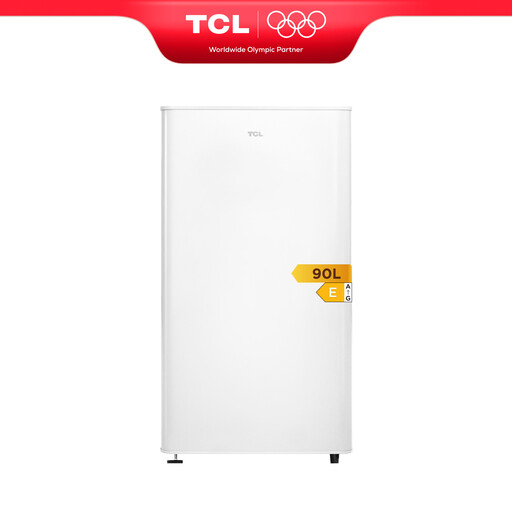
Why this product suits this profile: A total capacity of 90 litres, three glass shelves and a separate chiller compartment provide a practical range of essential features for small kitchens, offices or studio flats.
The stated dimensions of 44.9 × 48.5 × 84.2 cm and noise level of 40 dB make it easier to plan for limited floor space.
Energy efficiency class E, adjustable feet, adjustable shelves and a large door compartment for bottles.
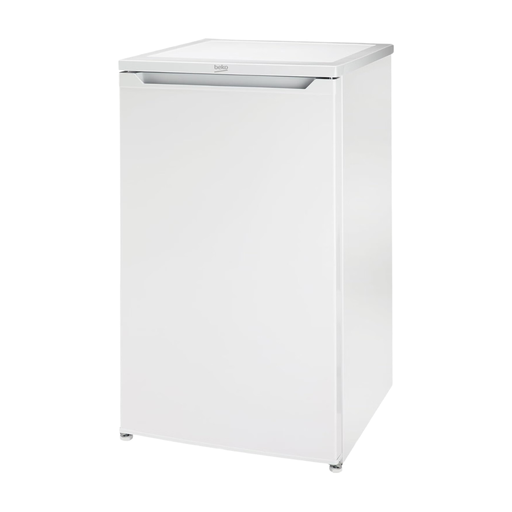
Why this product suits this profile: This 88-litre fridge without a freezer compartment focuses on fresh food and has a reversible door to suit different room layouts.
The manufacturer states a noise level of 38 dB, automatic defrosting and a reversible door – all relevant features for bedrooms or workspaces.
Three glass shelves, salad crisper, LED interior lighting and energy efficiency class E.
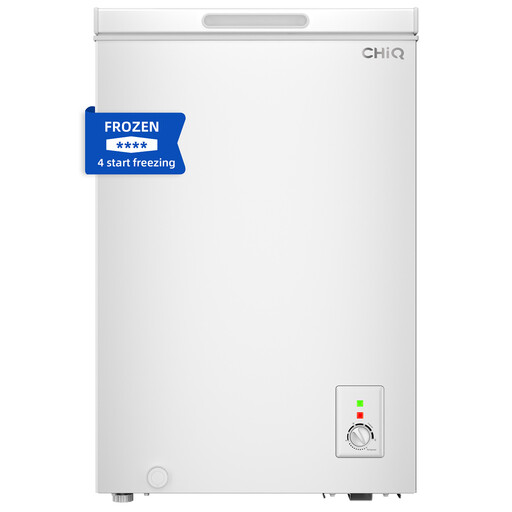
Why this product suits this profile: This freezer is aimed at households, offices or holiday homes that need additional frozen storage and do not require a fridge compartment in the same appliance.
The 99-litre capacity is combined with a wire basket, castors and a hinged lid, making it easier to organise supplies effectively.
4-star freezing performance, stated freezing capacity of 4.5 kg in 24 hours, 39 dB and energy efficiency class E.
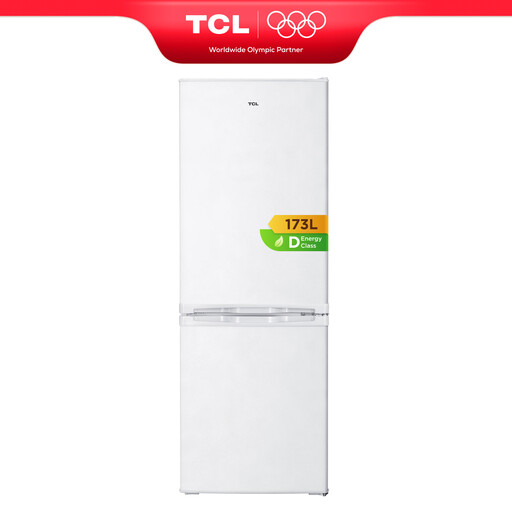
Why this product suits this profile: With 121 litres of fridge space and 52 litres of freezer space, this model provides separate storage areas for a small household.
The stated fridge and freezer capacities make it clear before purchase how the storage space is divided between the two sections.
Adjustable shelves, LED lighting and energy efficiency class D.
We have put together a complete, regularly updated list of products that fully meet these strict selection criteria and the safety regulations applicable in the EU.
For drinks and snacks, 45 to 50 litres is often sufficient. As the main appliance for one person, around 88 to 100 litres is more practical. If you regularly store fresh and frozen food, a fridge freezer with separate compartments is generally the better choice.
Models producing around 38 to 40 dB are often marketed for quiet rooms. However, the perceived noise also depends on the floor, clearance from the wall and compressor cycles. The appliance should stand securely and have adequate ventilation.
Its lifespan depends on usage, ventilation, cleaning and maintenance. A clean door seal, unobstructed ventilation areas and a level position help prevent unnecessary strain. For warranty and service queries, refer to the relevant manufacturer’s information.