
Lieferung heute & morgen

Qualitätsgarantie

Willkommens-Angebote freischalten: KOSTENLOSE Lieferung | Bis zu 80 % RABATT | Kostenlose 30-Tage-JoyPlus-Testphase
App herunterladen
Living space in cities is often limited. Whether in a student dorm, your first flat, or a shared apartment – every square metre counts. Compact home appliances promise to make daily life in a small space easier. But the market is flooded with products whose usefulness often proves questionable only after the purchase. As your Joybuy Product Recommendation Officer, I'll help you spot the typical pitfalls and find appliances that truly deliver on their promises.
Before you invest, you should critically question the common marketing promises. Many appliances are attractive at first glance but turn out to be impractical in daily use.
To avoid a bad buy, you should focus on objective, measurable criteria. These three parameters are crucial for long-term satisfaction with your appliance.
The litre rating of an appliance is only half the story. What matters is what it means in practice. A mini rice cooker with a 1.2-litre capacity, for example, can hold about 2-3 cups of uncooked rice, which is a realistic portion size for one to two people. For a multi-cooker for 1-2 people, the volume should be at least 2 litres to comfortably prepare soups or stews. Always check the dimensions of the inner pot, not just the total volume of the appliance. This is especially important for a student kitchen setup or for singles.
High-quality materials are not a luxury but a necessity for durability and safety.
Think carefully about which functions you really need. A specialised appliance is often a better choice than an overloaded "jack-of-all-trades."
Here are some recommendations tailored to specific lifestyles and needs, which purposefully avoid the pitfalls mentioned.
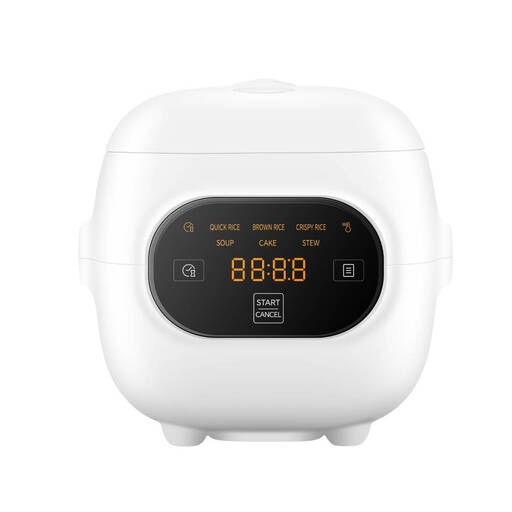
Why This Fits Their Persona: Ideal for singles or couples with a packed schedule. The 24-hour preset timer lets you prep dinner in the morning so it's ready right on time.
This appliance is a specialist. It doesn't promise to do everything, but focuses on cooking rice perfectly. The 1.2-litre capacity is realistic for 1-2 people. The removable lid and non-stick pot bypass the cleaning trap.
24-hour timer for forward-thinking cooking; 6 preset programs for various dishes; compact design.
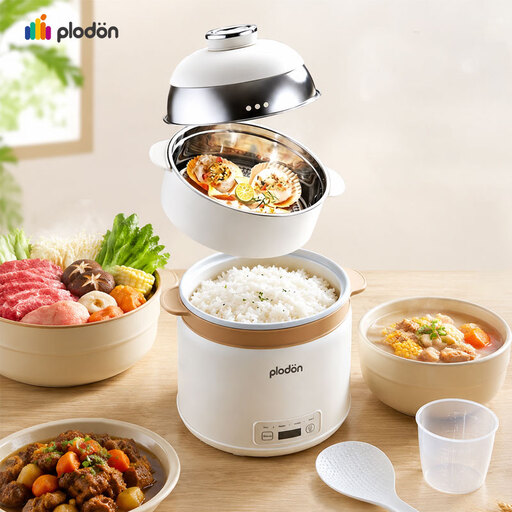
Why This Fits Their Persona: Perfect for small shared kitchens or as a versatile office appliance. The "steam above, cook below" function saves time and cookware, ideal for preparing a complete meal in one go.
This device avoids the multi-function trap through a sensible combination of features. The 2.3-litre capacity is adequately sized for 1-3 people. The non-stick coating and simple programs ensure uncomplicated use and cleaning.
Simultaneous cooking and steaming; automatic keep-warm function; simple one-touch operation for rice, soup, and porridge.
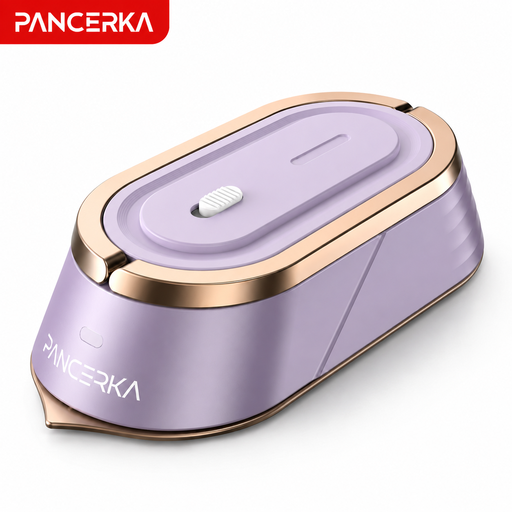
Why This Fits Their Persona: For business travellers and holidaymakers who don't want to compromise on wrinkle-free clothes while on the go. Its compact design and low weight make it the ideal travel companion.
This appliance is a highly specialised problem-solver. It focuses on a single, but crucial, function for travellers: compatibility with different power grids. There are no superfluous features that come at the expense of core performance.
110–240V wide voltage support for worldwide use; fast 18-second heat-up; extremely compact and lightweight.
We've compiled a full, up-to-date list of products that fully meet these strict selection criteria and German safety regulations.
1. How much electricity do compact appliances use? Power consumption is generally lower than that of standard-sized appliances. A mini rice cooker often has a power rating between 200 and 400 watts, whereas a standard model might require 600 watts or more. The exact wattage is listed on the product data sheet. With short, daily use, the electricity costs are usually negligible, making them an energy-efficient choice for small households.
2. Are multi-cookers for 1-2 people really a good investment? A multi-cooker can be an excellent investment if its functions match your cooking habits and the appliance is well-constructed. If you regularly prepare rice, soups, and steamed vegetables, such a device can save space and money. However, if you primarily use only one function, a specialised appliance is often the more reliable and durable solution.
3. How do you properly clean small kitchen appliances with non-removable parts? Caution is advised for appliances where the pot cannot be removed. Always unplug the device from the power source and let it cool down completely. Wipe the interior with a soft, damp cloth and a little washing-up liquid. Then, wipe again with a clean, damp cloth to remove any soap residue. Ensure that no water comes into contact with the electrical contacts or the exterior of the appliance. However, devices with a self-cleaning function or removable parts are fundamentally preferable.