For shoppers short on worktop space
You’ll need external dimensions that fit your available space, and should also allow for the door opening and the appliance-specific installation requirements. The 20 l solo models compared here vary in depth.


A freestanding solo microwave is sufficient for a portion of Baked Beans, as long as its external dimensions, door clearance and installation requirements suit your space. Check that your dish fits inside the cooking cavity and on the turntable, and stir the beans while heating. The stated capacity alone doesn’t tell you how much usable space there is.
You’ll need external dimensions that fit your available space, and should also allow for the door opening and the appliance-specific installation requirements. The 20 l solo models compared here vary in depth.
You want to heat beans from a tin in a suitable dish and stir them part-way through, rather than paying for extra cooking functions you don’t need for this task.
If you’d also like to brown or grill food as well as reheat it, compare solo microwaves with models that have a grill, and check the dimensions of the specific appliance.
What matters most will depend on whether you prioritise worktop space, suitable heating, ease of use or extra functions.
| What matters to you | What to look for when buying | Who is this most relevant to? |
|---|---|---|
| Worktop space and cooking cavity | Measure the available space and your dish. Compare the external dimensions, door clearance, installation requirements, and the cooking cavity and turntable of the specific model. | If I’m short on worktop space, I want to know whether the appliance will fit, including when the door is open. Around 36% of consumers would check the available space first. |
| Suitable, even heating | Check that your dish fits inside the cooking cavity and follow its care instructions. The Verbraucherzentrale recommends stirring food regularly when heating it in a microwave. | When I heat beans, I want to use a suitable dish and stir the portion part-way through, rather than relying on the power rating alone. Around 29% of consumers would make heating their top priority. |
| Controls and cleaning | Compare the model’s controls and cleaning instructions. Check whether the turntable or cover can be removed for cleaning. | If I often prepare an individual portion, I want controls that are easy to understand and straightforward cleaning. Around 21% of consumers would prioritise ease of use and cleaning. |
| Extra functions | Decide whether you’ll actually use the microwave to grill or prepare other dishes as well as reheat food. If so, check the dimensions, cooking modes and guidance on suitable cookware. | If I also want to brown or grill other foods, a grill function could be useful; it isn’t needed just to heat beans. Around 14% of consumers would consider extra functions first. |
The stated capacity alone doesn’t tell you how much space is actually available for a dish. IMTEST measured 8.2 l of usable space in the Caso M20 electronic, despite its stated capacity of 20 l.
Measure your dish and compare it with the cooking cavity and turntable of the specific model.
Depending on the appliance’s dimensions, you may need a differently sized dish.
You’ll need a dish that’s suitable for microwave use. Plastic dishes can have different temperature and power limits.
Transfer the beans to a suitable dish and check its labelling and care instructions.
A solo microwave is designed for heating food. Grilling is a different cooking task and offers no essential extra benefit for Baked Beans alone.
Choose a grill function only if you plan to use it for other foods too, and compare the appliance’s dimensions.
The Sharp R-200WW is a 20 l solo model for shoppers comparing shallow external dimensions and manual controls.
The freestanding Bosch FFL020MW0 is a solo option with a 20 l cooking cavity and specified power settings.
The MW 7790 is a solo model for heating food; the MW 7874 is a different model with an additional grill function.
The M20 electronic combines solo microwave operation with a digital display and automatic programmes.
The selection below ranges from solo models for heating food to appliances with extra functions. If space is limited, compare each appliance’s full external dimensions and installation requirements.
 No image available
As a solo model, it’s suitable for heating a portion of beans; before choosing it, check that its external dimensions fit your available space.
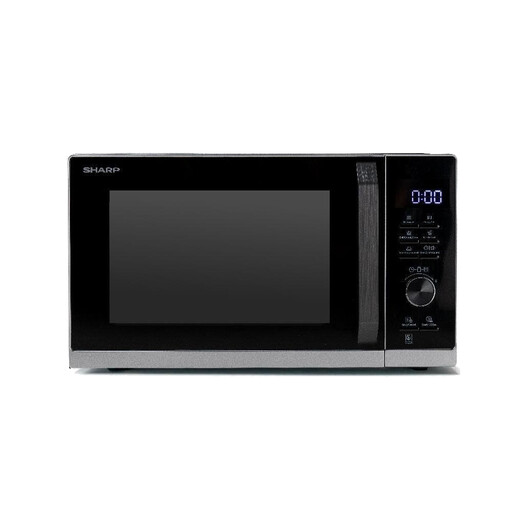 No image available
Microwave mode is all you need for beans; this combination model is more relevant if you also want to use the grill or convection functions.
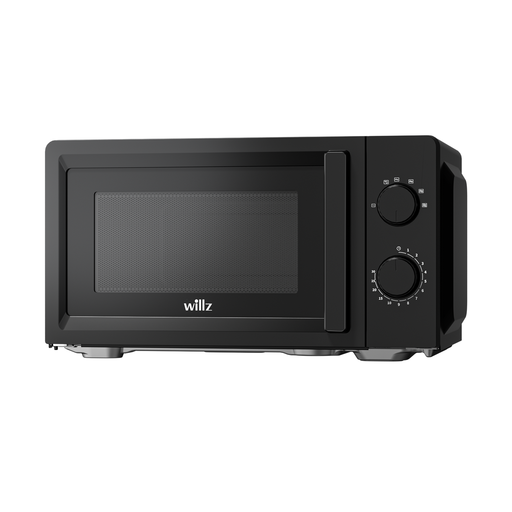 No image available
Described as compact, this appliance could be worth considering if you’re short on worktop space; check its full external dimensions against the space available.
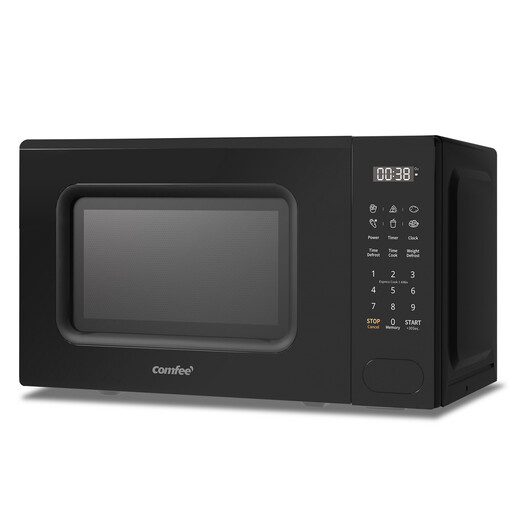 No image available
If you prefer to heat the beans in stages, the listed power settings may help you choose; they don’t guarantee even heating.
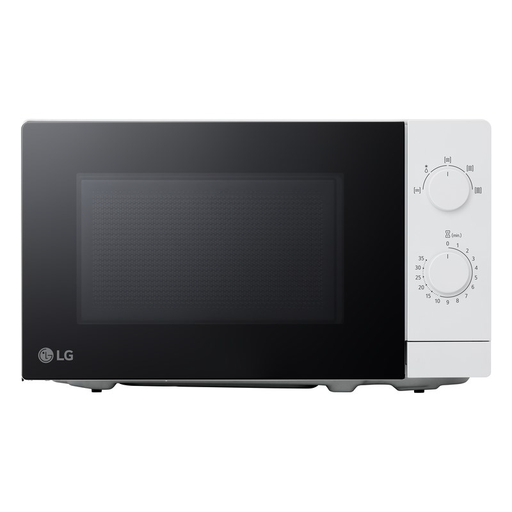 No image available
As a solo microwave, it’s suitable for straightforward heating; allow for the clearance specified in the product description when positioning it.
No. Transfer the beans to a microwave-safe dish before heating. If you’re using a plastic dish, check its permitted temperature and wattage. The Verbraucherzentrale recommends stirring food; take care when removing the dish.
The capacity in litres alone isn’t enough to tell you. Compare your bowl with the cooking cavity and turntable of the specific model. In the Caso M20 electronic, IMTEST measured 8.2 l of usable space despite its stated capacity of 20 l.
Don’t rely on the appliance’s dimensions alone. Check the installation and ventilation instructions in the manual for the specific model, and allow room for the door to open. You can’t determine a universal minimum clearance from the product dimensions compared here.
If an appliance is faulty, your statutory consumer rights are against the seller; a manufacturer’s warranty is separate, as the Verbraucherzentrale explains. A microwave that’s no longer needed must not go in household waste. It should be taken to a separate collection point for waste electrical equipment. The Umweltbundesamt and Bundesumweltministerium provide information about collection and return options.