Which option is right for you?

Coin collectors who want to capture fine detail

If you want inscriptions, mint years and relief to be clearly visible, the combination of camera and lens matters. Nikon Germany and Canon Germany list specific magnification ratios for their macro lenses, which you can compare with the image size you want.

Photographers with limited space

On a small table, you need to fit the camera, coin and lighting together. Information from Nikon Germany and Sony Germany on the distance between the front of the lens and the subject can help you plan your lighting setup.

Beginners without a collection of lenses

If you don’t already have a suitable lens, check whether an offer includes a compact camera with a built-in macro mode or a body with a genuinely suitable lens. Listings from OM SYSTEM, Nikon Germany and Canon Germany distinguish between these configurations.

What should you look for when buying?

Compact camera with macro mode

A good fit if: you want to take photos without changing lenses; OM SYSTEM lists an integrated Microscope Macro mode for the TG-7.

Bear in mind: check whether your planned setup leaves enough room for light from the sides. A macro mode alone can’t predict how the coin’s relief and reflections will look in your photos.

Mirrorless camera with a short macro lens

A good fit if: you want to choose the lens and magnification ratio to suit your needs; Nikon Germany lists a 1:1 ratio and a distance of around 5 cm from the front of the lens for the Z MC 50 mm 1:2.8, while Sony Germany lists a 1:1 ratio and 2.4 cm for the E 30 mm F3.5 Macro.

Bear in mind: you’ll need a camera body and a suitable macro lens; a short distance to the coin can make it harder to position the lighting.

EOS R body with RF 100mm macro

A good fit if: you want to use the maximum magnification ratio of the separately available RF 100mm F2.8 L MACRO IS USM; Canon lists it as 1.4x.

Bear in mind: Canon says the lens weighs around 685 g; check that its weight and your setup are suitable for your table and mount.

What you need What to check when buying Who should consider it?
Capturing fine detail Check the magnification ratio of the specific lens: Nikon Germany lists 1:1 for the Z MC 50 mm 1:2.8, as does Sony Germany for the E 30 mm F3.5 Macro; Canon’s RF 100 mm has a maximum ratio of 1.4x. If you want to document inscriptions or small features, check whether they’ll fit in the frame at the size you want. Around 29% of consumers put visibility of fine coin details first.
Light and reflections Compare the distance from the front of the lens to the coin, and allow room for adjustable light from the sides; Nikon Germany lists around 5 cm and Sony Germany 2.4 cm for the respective macro lenses. If you want to reveal the relief and surface by changing the light’s position, make sure your setup leaves enough room. Around 29% of consumers prioritise lighting.
Setting up on a small table Measure the space available and the height above the coin, and allow for the camera, lens, mount and lighting together. If you need to fit your camera and lighting into a small space, plan the whole setup in advance. For around 24% of consumers, space is the main consideration.
Complete kit Check what’s included and the magnification ratio of the supplied lens; Canon’s EOS R50 kit with RF-S 18–45 mm does not include the separately offered RF 100 mm macro lens. If you’re starting without a macro lens, what’s included in the specific offer matters. Around 18% of consumers prioritise a complete setup.

Avoiding buying and setup mistakes

  • Assuming “macro” means the kit lens has macro capabilities

    A camera kit may include a standard zoom lens, while a suitable macro lens is sold separately. The EOS R50 kit with RF-S 18–45 mm does not include the RF 100 mm macro lens.

    Check the full kit name and the magnification ratio of the exact lens you’ll receive. Canon lists a maximum ratio of 0.26x for the RF-S 18–45 mm with manual focusing, compared with a maximum of 1.4x for the separate RF 100 mm.

    You may need an additional compatible lens for macro photography.

  • Confusing the minimum focusing distance with room for lighting

    The minimum focusing distance may be measured from the sensor plane; for lighting, the distance from the front of the lens to the coin matters too. For the E 30 mm Macro, Sony Germany lists a focusing distance of 9.5 cm, but a distance of just 2.4 cm from the front of the lens to the subject.

    Check the working distance alongside your lighting setup before choosing a short macro lens.

  • Expecting a more expensive camera to solve reflections on its own

    Lighting and its position affect which coin details are visible and where reflections appear. A camera alone can’t tell you how the subject will look in your setup.

    Try different lighting positions with a stable setup, then check whether you actually need a different magnification or camera feature.

    Adjustable lighting can take up extra space and require additional equipment on your table.

Relevant brands and lens options

The information below relates to the cameras and lenses mentioned; it is not a general assessment of each brand.

OM SYSTEM

The TG-7 is a compact camera with a built-in lens and Microscope Macro mode.

  • OM SYSTEM lists 12 MP, RAW and macro modes for the TG-7.
  • These specifications alone can’t tell you how shiny coins will look in your lighting setup; check the shooting distance and lighting.

Nikon

The Z50II is a camera body; the NIKKOR Z MC 50 mm 1:2.8 is a separately selectable 1:1 macro option.

  • Nikon Germany lists a distance of around 5 cm from the front of the lens to the subject for this lens.
  • The body-only offer includes neither this macro lens nor a charger; the distance quoted does not apply to other Nikon lenses.

Sony

The α6400 is an E-mount camera body; the E 30 mm F3.5 Macro is a separately offered 1:1 lens option.

  • Sony Germany lists a distance of 2.4 cm from the front of this macro lens to the subject.
  • The short working distance can make it harder to position the lighting; plan for the coin, lens and lighting together.

Canon

The EOS R50 is an RF camera body; the RF 100mm F2.8 L MACRO IS USM is a separate macro option.

  • Canon lists a maximum magnification ratio of 1.4x for the RF 100 mm.
  • The EOS R50 kit with RF-S 18–45 mm does not include this macro lens; the macro specifications mentioned apply to the RF 100 mm.

Camera offers at Joybuy

The offers below are compact video and vlogging cameras. If you’re looking to capture coin details on a small table, check before choosing whether the close-focusing distance and space in front of the lens leave enough room for your lighting.
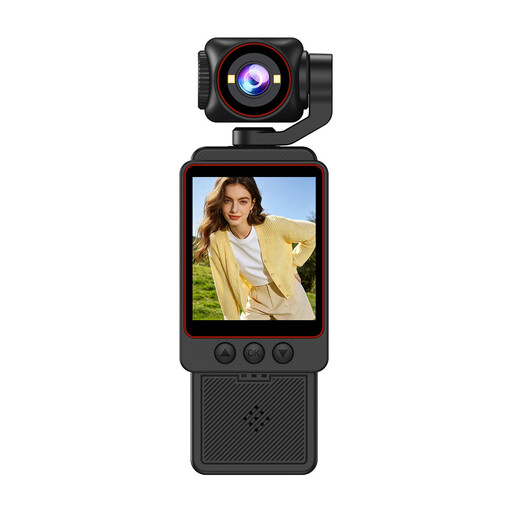
2K Pocket Vlogging Camera, black finish

2K Pocket Vlogging Camera, Black

Its compact design could be useful on a crowded table; for coin details, also check the close-focusing distance and whether there’s room for light from the sides.

2K; 360° rotating lens.

View at Joybuy
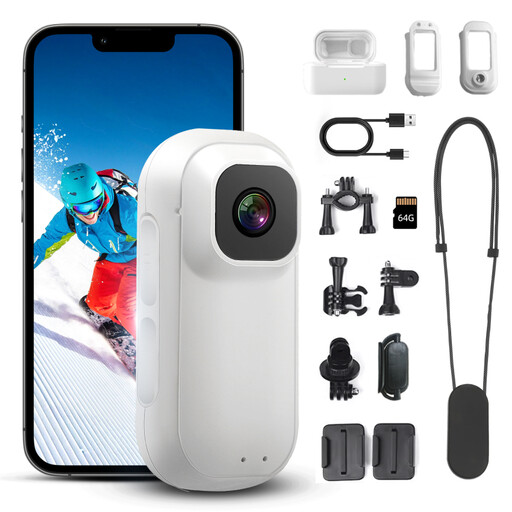
Mini Action Camera with 2.7K, 120° wide-angle lens and 64 GB memory card

Mini Action Camera, 2.7K, 64 GB

The listing describes a lightweight, compact camera; before choosing it for coin photography, check the close-focusing distance and the working space available for lighting.

2.7K; 120° wide-angle lens; 64 GB memory card; magnetic mount and other mounting accessories.

View at Joybuy
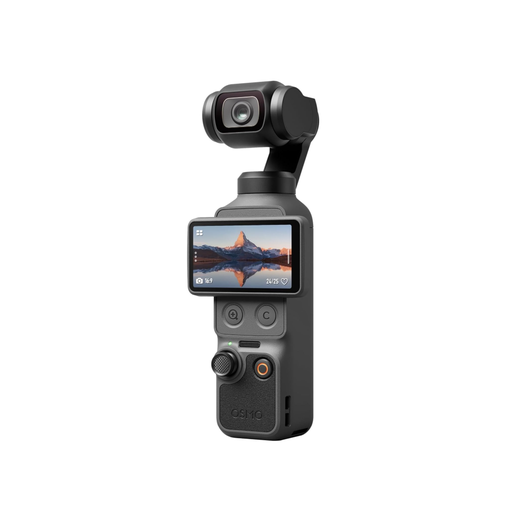
DJI Osmo Pocket 4 Standard Combo

DJI Osmo Pocket 4 Standard Combo

Its compact size could be useful if you have limited space; for close-ups, check whether you can position the camera and lighting suitably on your table.

1″ CMOS sensor; 4K/240fps; 3-axis stabilisation; 2× lossless zoom; 107 GB of built-in storage; 2″ rotating screen.

View at Joybuy
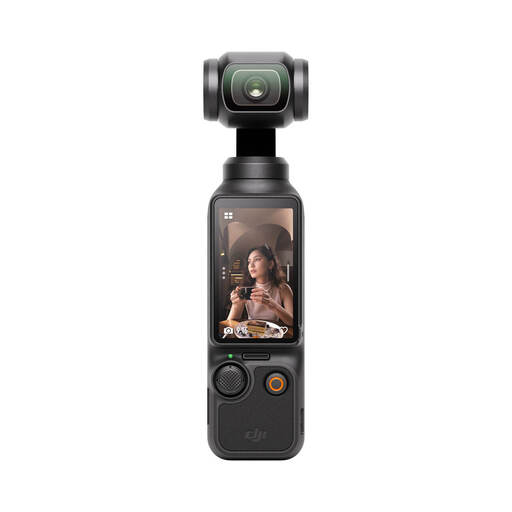
DJI Osmo Pocket 3 Vlogging Camera

DJI Osmo Pocket 3

The product information describes a compact, portable design; for coin photography, check the close-focusing distance and the path of the light in your planned setup.

1-inch CMOS sensor; 4K/120fps; 3-axis stabilisation; 2-inch rotating touchscreen.

View at Joybuy
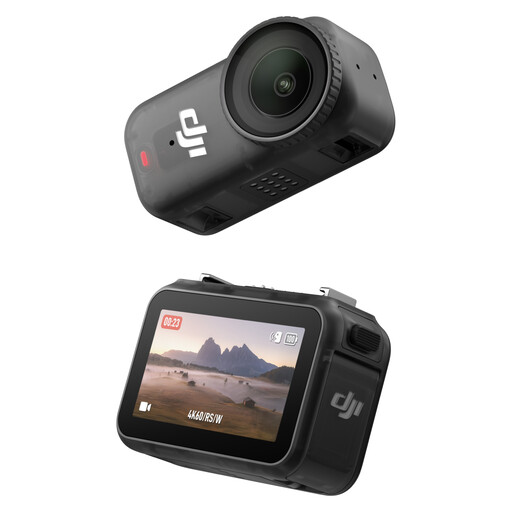
DJI Osmo Nano Standard Combo with 128 GB

DJI Osmo Nano Standard Combo, 128 GB

The listing describes a compact design; if you’re considering it for coin photography, check the close-focusing distance and whether there’s room for your lighting on a small table.

1/1.3-inch sensor; 4K/60fps; 143° wide-angle lens.

View at Joybuy

Frequently asked questions

Is a standard zoom lens in a camera kit enough to capture the smallest coin details?

Not necessarily. Canon lists a maximum magnification ratio of 0.26x for the RF-S 18–45 mm with manual focusing; the separately offered RF 100 mm reaches a maximum of 1.4x. Choose based on the detail you want to show prominently in the image.

How should I position the coin and lighting on a small table?

Keep the coin steady, check that it’s in focus right to the edge, and move the light until the relief and surface look the way you want. Remember to allow for the distance between the front of the lens and the coin.

What should I check after taking photos?

Check that the lens and setup are clean, and take test shots before important photo sessions. OM Digital Solutions’ TG-7 manual recommends taking test shots before important photos; follow the manual for the model you buy for specific cleaning instructions.

What are my rights when buying a new camera online in Germany?

For a qualifying consumer contract, the statutory cancellation period is generally 14 days. For goods, it generally starts when you receive them, under § 356 BGB. For movable goods, claims for defects listed in § 438 BGB generally become time-barred two years after delivery. The contract and any statutory exceptions should be considered in each individual case.

Can I publish photos of euro coins?

EUR-Lex lists photographic reproduction of the common side of euro coins as a permitted use. The European Commission notes that the law of the relevant issuing country applies to national sides; this does not mean that every coin image or type of use is automatically permitted.