Detail photographers
If you want to capture embroidery, beads or small embellishments clearly, check the camera’s specific lens or close-up mode.


For tiny embroidery and jewellery details, what matters is how large the specific lens or close-up mode can render your subject. A mirrorless camera gives you a choice of lenses, while a compact camera means you don’t have to change lenses. For full costumes, the right angle of view also matters. Under artificial light, check the white balance and look for possible banding in test shots; shooting from very close can make it harder to light your subject.
If you want to capture embroidery, beads or small embellishments clearly, check the camera’s specific lens or close-up mode.
With changing artificial light sources, look out for colour casts and banding, and adjust your settings accordingly.
If you want to switch between wider costume shots and individual details, your choice of lens and what’s included in the box will affect how much kit you need to carry.
A good choice if: You want to capture beads, seams or embellishments at a large scale, and switch lenses for other subjects. Nikon quotes a 1:1 reproduction ratio for the Z MC 50mm f/2.8, as does Sony for the E 30mm F3.5 Macro; Canon quotes 1:2 for the RF 35mm F1.8 Macro.
Bear in mind: The camera body and lens need to be compatible, and a suitable macro lens isn’t automatically included in the camera kit. At high magnifications, you should also consider depth of field and how much room you have for lighting.
A good choice if: You want to take spontaneous close-ups without changing lenses. OM SYSTEM quotes a minimum focusing distance of 1 cm in Microscope mode for the Tough TG-7.
Bear in mind: A focusing distance of 1 cm doesn’t mean a 1:1 reproduction ratio. Check whether you can position the camera and lighting effectively at such a close distance; the LG-1 is included with a specific kit.
A good choice if: You mainly want to capture full costumes, groups or larger areas of fabric, and are less likely to shoot individual details. The Nikon Z50II kit we looked at includes a 16–50mm zoom.
Bear in mind: A standard zoom doesn’t automatically replace a macro lens. Canon quotes a maximum magnification of 0.16x for the RF-S 18–45mm at 45 mm with autofocus.
Choose your camera based on what matters most: subject size, performance under artificial light, colour reproduction or carrying as little extra kit as possible. The proportions below refer to consumers choosing a camera for costume details and wider costume shots under artificial light; each row represents a main priority.
| Priority | What to check before buying | Who is it important to? |
|---|---|---|
| Magnifying small details | Check the reproduction ratio and minimum focusing distance of the specific lens; don’t confuse focusing distance with reproduction ratio. | If you want to show tiny beads or seams clearly, the achievable subject size matters. Consumers who prioritise magnifying details are likely to account for around 33%. |
| Banding and motion blur | Check the available shutter and anti-flicker settings, and take test shots under the lighting at the venue. | If costume pieces are moving or lights are causing banding, assess sharpness and lighting artefacts separately. Consumers who prioritise this are likely to account for around 27%. |
| Reproducing fabric colours | Recheck the white balance when the lighting changes; consider the available RAW workflow if needed. | If you want specific fabric colours to look as true to life as possible, the lighting and appropriate settings both matter. Consumers who prioritise colour reproduction are likely to account for around 20%. |
| Carrying less kit | Check exactly what’s included, which lens comes with it and whether you’ll need extra lighting accessories. | If you want to switch spontaneously between costume shots and details, compact kit may be more practical; an interchangeable-lens system may require extra items. Consumers who prioritise carrying as little kit as possible are likely to account for around 20%. |
The high reproduction ratios mentioned apply to specific lenses; a standard zoom may offer considerably less magnification.
Before buying, check that the lens mount, included lens and its maximum reproduction ratio are all compatible.
You may need to buy a compatible macro lens separately for a particular close-up.
The 1 cm figure for the TG-7 describes its focusing distance; the 1:1 figures for the Nikon and Sony lenses mentioned refer to their reproduction ratios.
For your smallest costume details, check the achievable subject size and whether there’ll be enough room to light the scene.
Stabilisation compensates for camera movement. Banding or colour shifts caused by artificial light need to be assessed separately, taking the light source, shutter choice and white balance into account.
Take test shots of moving and stationary details, and check sharpness, banding and fabric colours separately.
What’s included and which accessories come with it can vary between versions. Nikon says the Z50II kit we looked at doesn’t include a charger; OM SYSTEM lists the LG-1 in the TG-7 Micro Adventure Kit we looked at.
Before ordering, read the details of everything included with the specific version.
The EOS R50 is an APS-C mirrorless camera with an RF mount. Its angle of view and close-up performance depend on the compatible lens you choose.
You can pair the Z50II with a standard zoom for wider shots or a separately available macro lens for greater magnification.
The α6700 is an APS-C camera body with an E-mount, so you can choose a compatible close-up lens separately.
The Tough TG-7 is a compact camera with a close-up mode, ideal if you want to shoot without changing lenses.
Joybuy products related to cameras and shooting under artificial light.
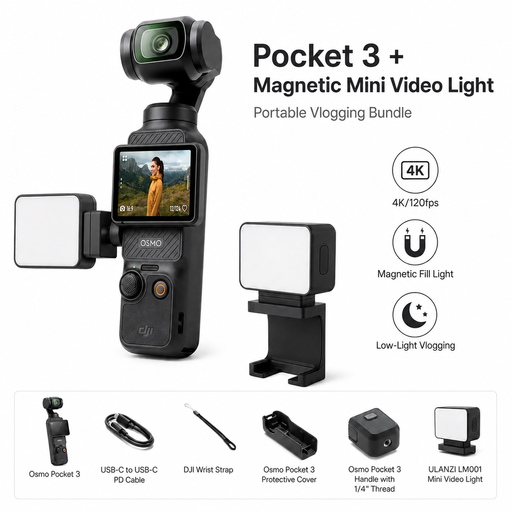 No image available
If you’re planning to shoot short videos as well as photos in low light, the product name mentions a magnetic fill light and a 3-axis gimbal. For small costume details, check the close-focusing capabilities of the specific version.
Listed in the product name: 1-Inch CMOS, 4K/120fps and magnetic fill light.
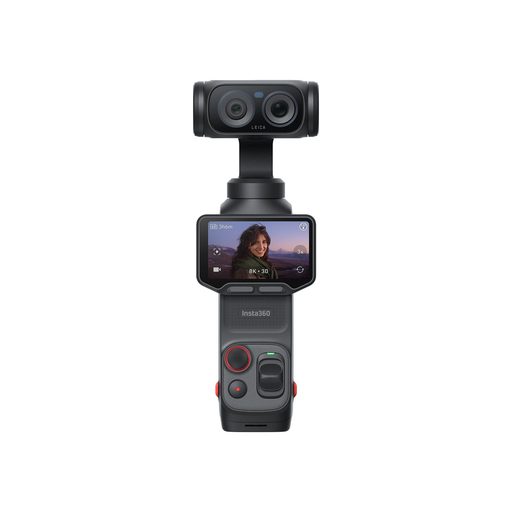 No image available
If you’re considering this bundle for costume details, check before buying whether the specific configuration supports the close-ups you want.
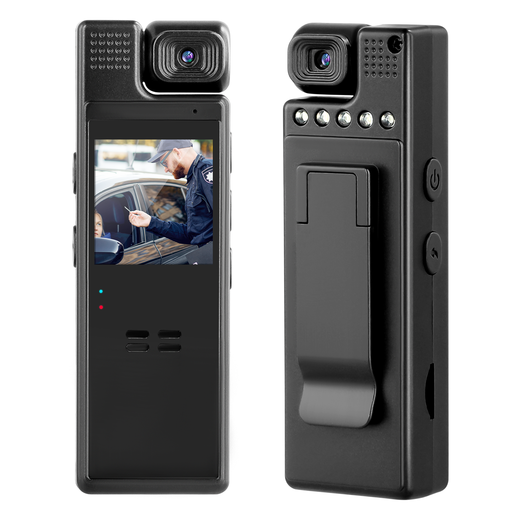 No image available
For indoor shooting where a 180° rotating lens and back clip are useful, the product name lists these features; check whether the camera also supports the close-ups you need.
Listed in the product name: 1080P recording and a lens that rotates manually through 180°.
A standard zoom may work for wider costume shots, but for tiny details you should check the maximum magnification of the specific lens. Canon quotes 0.16x for the RF-S 18–45mm at 45 mm with autofocus, and a 1:2 reproduction ratio for the RF 35mm F1.8 Macro, sold separately.
Take a test shot, recheck the white balance when the light changes and look for banding. Canon explains that anti-flicker settings can reduce unwanted effects from certain artificial light sources; check which features your camera model offers and how well they work with the lighting you’re using.
Check whether the specific kit includes a lens, battery, charger and, if needed, close-up lighting accessories. Nikon notes that the Z50II kit with standard zoom we looked at doesn’t include a charger; OM SYSTEM lists the LG-1 in the TG-7 Micro Adventure Kit we looked at.
The Verbraucherzentrale explains that consumers generally have the right to cancel online consumer contracts within 14 days of receiving the goods. For your specific purchase, check who the seller is, when the cancellation period starts and whether any exceptions apply; cancelling a contract is different from making a claim about a faulty product.
Simply taking part in Carnival doesn’t give you blanket permission to publish photos. The Rhineland-Palatinate State Commissioner for Data Protection and Freedom of Information notes that photos of identifiable people contain personal data; the legal basis for taking and publishing them depends on the individual circumstances. If you’d rather avoid this issue, try to photograph costume details without including identifiable people.