
Lieferung heute & morgen

Qualitätsgarantie

Willkommens-Angebote freischalten: KOSTENLOSE Lieferung | Bis zu 80 % RABATT | Kostenlose 30-Tage-JoyPlus-Testphase
App herunterladen
A good compartment lunch box is the key to an organised and delicious lunch on the go. But the market is flooded with products that over-promise and under-deliver. Leaked sauces in your bag, mixed-up ingredients, and boxes that become unusable after just a few weeks are common frustrations. As your Joybuy Product Recommendation Officer, I'll help you spot the common pitfalls and make an informed decision.
Many shoppers are swayed by marketing claims that often don't hold up in practice. Pay attention to these three critical points to avoid a bad buy:
To avoid the problems mentioned above, you should check three core parameters before buying. These define the durability and everyday usability of your new meal prep box.
The material is the foundation for safety and durability. Look for the BPA-free label. BPA (Bisphenol A) is a plasticiser suspected of leaching into food when heated. High-quality lunch boxes are therefore often made of Polypropylene (PP), a robust and food-safe plastic suitable for food contact and microwave use. Stainless steel is another option, but it is usually not microwave-safe.
A reliable seal is essential for transporting liquids safely. Look for models with an integrated silicone seal in the lid. This fits snugly against the edges of the box and often the dividers as well. Combined with a robust 4-sided locking system (clips on each side), the box is hermetically sealed. A simple drop-on lid without a separate seal and firm clasps generally does not offer this level of protection.
For maximum flexibility, your lunch box with dividers should be suitable for various temperatures.
Based on the criteria above, we have identified several models that are particularly well-suited for specific use cases.
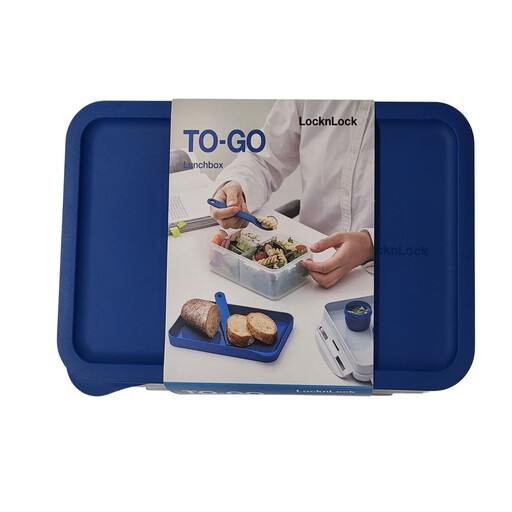
Why This Fits Their Persona: Ideal for professionals looking for an all-in-one solution. The removable compartments, integrated cutlery, and sauce container make it a versatile option for varied meals at the office.
The 4-sided locking system with a silicone seal reliably prevents leaks. The removable inserts offer more flexibility than rigid compartments, thus avoiding the problem of impractical designs.
Complete set with cutlery and a sauce container. BPA-free polypropylene is microwave-safe (without lid) and dishwasher-safe.
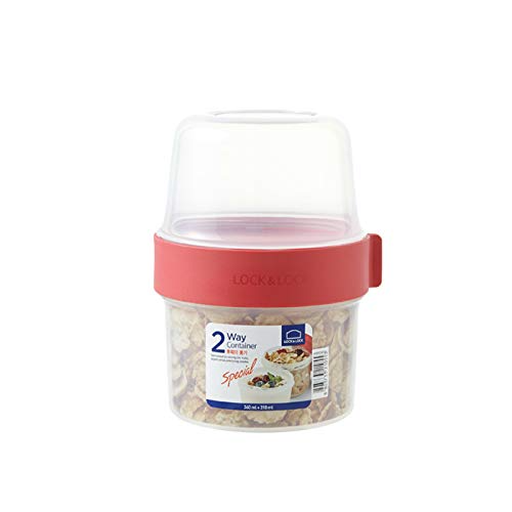
Why This Fits Their Persona: Perfect for anyone who wants to transport yoghurt and granola, or vegetable sticks and dip, separately. This yoghurt cup to go is compact and fits in any bag, ideal for university or as a mid-day snack.
The two-chamber system with a screw-on lid solves the core problem of mixing wet and dry ingredients. It is specifically designed for this purpose, making it far more reliable than an all-purpose box.
Reliable separation thanks to a screw-on lid with an integrated divider. Compact, space-saving design. BPA-free and dishwasher-safe.
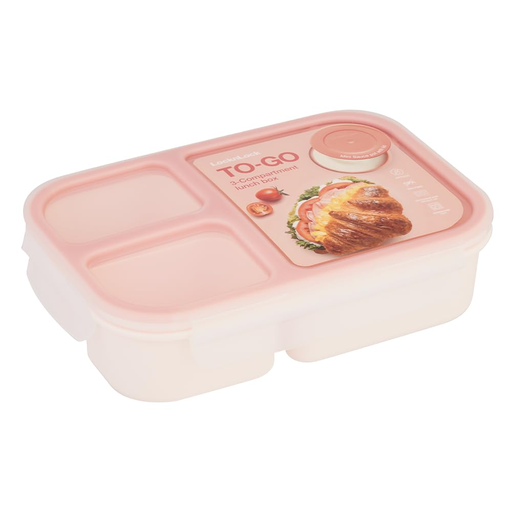
Why This Fits Their Persona: This bento box is designed for meal prep fans who prepare their meals for the week. The fixed compartments allow for neat portioning of a main course, side dish, and salad, while the sauce container keeps dressing fresh.
The high-quality PP material is freezer- and microwave-safe, thus resisting material fatigue. The patented silicone seal ensures that the compartments also remain sealed from each other—no mixing of food.
Fixed compartments for clear structure. 100% airtight and watertight according to the manufacturer. Temperature resistant from -20°C to 120°C.
We have compiled a complete, up-to-date list of products that fully meet these strict selection criteria and safety regulations.
Most modern plastic lunch boxes are dishwasher-safe. For the long life of the seals, it is recommended to place the lid and small parts in the top rack of the dishwasher. When hand-washing, you should occasionally remove the silicone seal from the lid and clean it separately to remove any residue underneath.
This designation almost always refers only to the container itself. The lid should be removed before heating in the microwave. Otherwise, pressure can build up or the lid can warp. Also, avoid heating foods high in fat, oil, or sugar at the highest setting, as this can lead to material discolouration.
BPA (Bisphenol A) is a chemical compound used to harden some plastics. It is suspected of having hormone-like effects and can leach from the material into food, especially when heated. The BPA-free label ensures that the plastic was manufactured without this plasticiser and is therefore considered safe for food contact, even when heated.