
Lieferung heute & morgen

Qualitätsgarantie

Willkommens-Angebote freischalten: KOSTENLOSE Lieferung | Bis zu 80 % RABATT | Kostenlose 30-Tage-JoyPlus-Testphase
App herunterladen
A good compartment lunch box is the key to an organised and tasty meal on the go. However, the search for the right model can quickly become frustrating. Many products promise more than they deliver, leading to spilled dressing in your bag or soggy food. Before you make a purchase, it's crucial to understand the common weaknesses that only become apparent with daily use.
Common Problems with Low-Quality Lunch Boxes:
To avoid these pitfalls, you should look for a few key features that define a high-quality lunch box for work or everyday life.
The leak-proof capability of a bento box depends primarily on two factors: the sealing system and the locking mechanism.
The material affects not only durability but also safety and convenience. Most modern lunch boxes are made of plastic. Here are the crucial properties:
A partitioned lunch box allows you to keep different components of a meal separate. There are two basic types of compartmentalised food containers:
Instead of relying on marketing promises, it makes more sense to choose a product that fits your personal needs. Here are some recommendations for different user profiles.
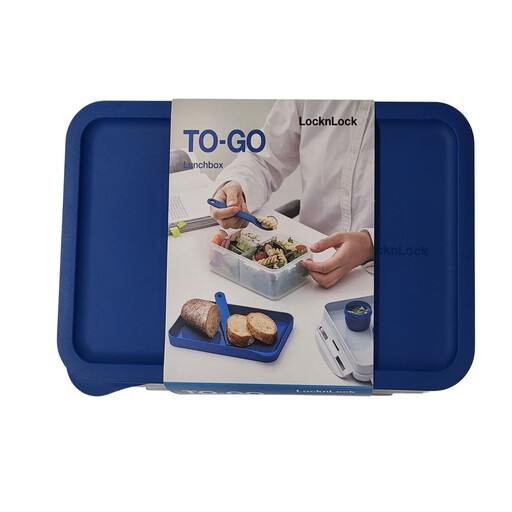
Why This Fits Their Persona: Ideal for a complete lunch with a main course, side, and dressing. The removable inserts, included cutlery, and separate sauce container make daily work organisation effortless.
The 4-sided locking system with a silicone seal reliably prevents liquids from leaking. The separate, sealed sauce container solves the problem of soggy salads.
All-in-one set with cutlery and sauce container; removable compartments for maximum flexibility and easy cleaning. Microwave and dishwasher safe.
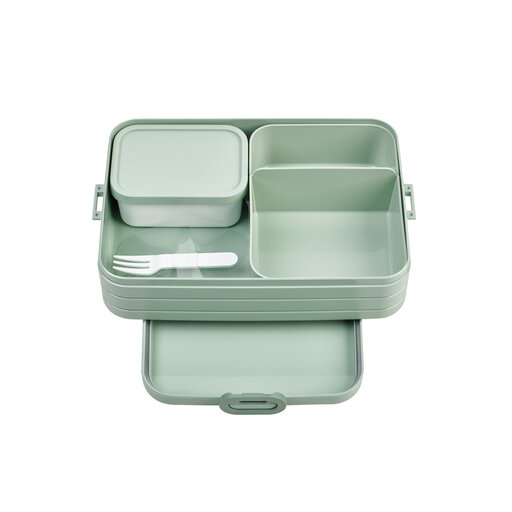
Why This Fits Their Persona: With a 1.5-litre capacity and removable bento inserts, this box is ideal for those who prepare larger portions or varied meals for the entire week.
The sturdy, separate bento inserts reliably keep food separated. The inserts are also microwave-safe, so leftovers can be easily reheated.
Very large capacity (1.5 L); flexible use with two removable inserts, one of which includes a fork. Robust and durable material (PP, TPE, ABS).
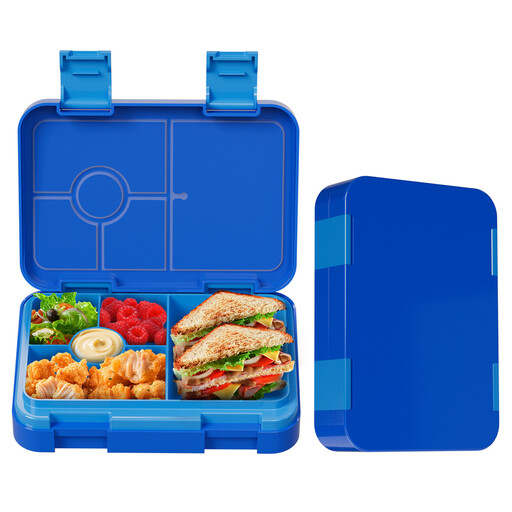
Why This Fits Their Persona: Five fixed compartments are perfect for keeping various snacks, fruits, vegetables, and a main dish separate and appetising—ideal for a long day at university or the office when you're eating multiple small items.
The firmly integrated and raised dividers effectively prevent dry and wet foods from mixing. The double latches ensure the lid is held securely.
Five clearly defined compartments for maximum organisation of snacks and meals. The robust design is built for daily, straightforward use.
We've compiled a complete, up-to-date list of products that fully meet these strict selection criteria and German safety regulations.
Rinse the box with cold water immediately after use to prevent food from drying on. For a thorough cleaning, most models are dishwasher-safe (check the manufacturer's instructions). For stubborn odours or stains, soak the box for a few hours in a mixture of warm water and a spoonful of baking soda or vinegar, then rinse thoroughly. Always store the box open to allow it to dry completely.
The "BPA-free" label indicates that the chemical Bisphenol A was intentionally not used in the manufacturing of the plastic. In the European Union, all materials intended for food contact must meet strict safety requirements (Regulation (EU) No. 10/2011). Products from established brands made from food-grade plastics like Polypropylene (PP) are considered safe when used correctly.
Check the temperature resistance according to the manufacturer's specifications. Many plastic boxes are designed for temperatures up to around 110°C or 120°C. However, it is advisable to let boiling hot food cool for a few minutes before closing the lid. This prevents a strong vacuum or pressure from building up due to steam, which could make the box difficult to open or warp the lid.