
Lieferung heute & morgen

Qualitätsgarantie

Willkommens-Angebote freischalten: KOSTENLOSE Lieferung | Bis zu 80 % RABATT | Kostenlose 30-Tage-JoyPlus-Testphase
App herunterladen
A good compartment lunch box is more than just a container—it's a daily companion for a fresh, organised, and healthy lunch. But the market is flooded with products whose promises often don't hold up in practice. A leaky box ruins your bag, unsuitable materials get stained or release harmful substances, and an impractical layout mixes your food unintentionally. As a Joybuy Product Recommendation Officer, I'll help you recognise these pitfalls and make an informed decision.
Before we look at the important features, let's highlight the typical problems that can lead to a purchase you'll regret.
To find a durable and functional lunch box, you should focus on three core aspects. These objective parameters will help you distinguish marketing hype from genuine quality.
The choice of material is crucial for longevity and health. Look for the following standards:
The leak-proof capability of a lunch box depends directly on its lock and seal.
A good adult bento box or meal prep container is distinguished by a well-thought-out layout.
Here are some recommendations tailored to different needs that meet the criteria mentioned above.
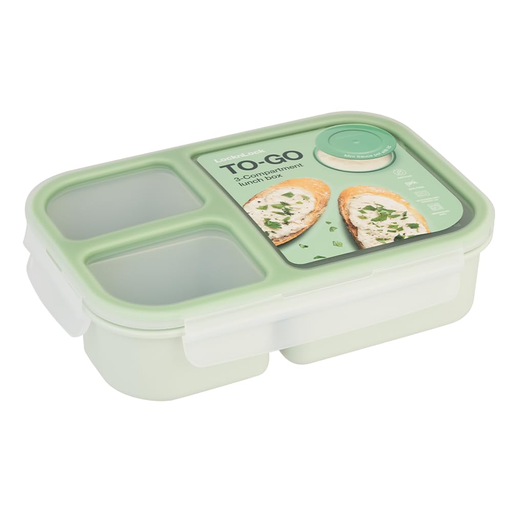
Why This Fits Their Persona: Ideal for anyone needing a completely reliable solution for transporting salads with dressing, curries, or soups. The thoughtful layout and separate sauce container make it the perfect companion for a long workday.
The patented 4-sided locking system with a dual-chamber silicone seal ensures it is 100% airtight and watertight, thus avoiding the false 'leak-proof' promise trap.
Integrated, leak-proof sauce container. Made from high-quality, BPA-free PP plastic, suitable for the microwave (without lid) and freezer.
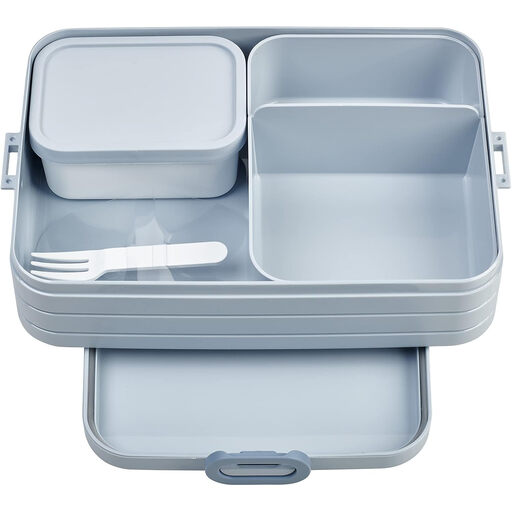
Why This Fits Their Persona: Perfect for those who enjoy variety and prepare their meals for the week. The large volume and flexible inserts allow for carrying different components, from sandwiches and salads to leftovers.
The removable bento inserts solve the problem of impractical compartment layouts. They can be used flexibly depending on the meal or left out entirely, which simplifies cleaning.
Large 1.5-litre capacity. Includes two separate compartments and an extra box with a fork. The inserts are microwave-safe (without the main lid).
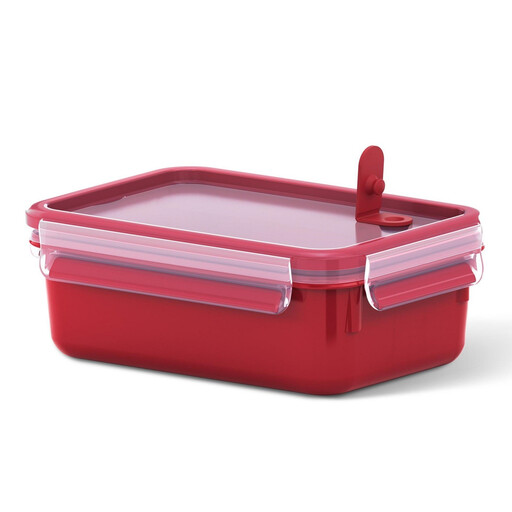
Why This Fits Their Persona: For students and professionals who need a straightforward, yet completely sealed and secure box for daily use. The focus is on simple handling and reliability, without complex inserts.
This model bypasses the confusion around microwave use. Thanks to the special valve in the lid, the box can be heated while closed, which prevents splatters and simplifies handling.
100% leak-proof thanks to the clip-lock system. Certified BPA-free and made in Germany. The valve in the lid is a clear unique selling point for microwave use.
We have compiled a complete, up-to-date list of products that fully meet these strict selection criteria and German safety regulations.
1. What's the best way to clean a compartment lunch box to avoid odours? Rinse the box with cold water immediately after use before cleaning it with warm water and washing-up liquid. Cold water helps to break down protein and starch residues that can cause odours. For stubborn smells, it can help to leave the box filled overnight with a mixture of water and vinegar or baking soda.
2. Are all lunch boxes labelled "BPA-free" safe? The "BPA-free" label means that the chemical Bisphenol A was not used. This is an important indicator of safety. Additionally, ensure that the manufacturer confirms compliance with EU regulations for food contact materials (e.g., EU 10/2011). Products from established brands sold in the EU must meet these standards.
3. Can I put hot food directly into my plastic lunch box? It is recommended to let very hot food (above 80°C) cool for a few minutes before putting it into a plastic container and sealing it. This protects the material and the seal and prevents a vacuum from forming due to the steam, which can make the box difficult to open. Always observe the maximum temperature resistance specified by the manufacturer.