
Lieferung heute & morgen

Qualitätsgarantie

Willkommens-Angebote freischalten: KOSTENLOSE Lieferung | Bis zu 80 % RABATT | Kostenlose 30-Tage-JoyPlus-Testphase
App herunterladen
A good compartment lunch box can make your daily routine significantly easier. Whether for work, university, or meal prepping, the ability to transport different foods separately and keep them fresh is a clear advantage. However, the market is flooded with products that often fail to deliver on their promises. Many buyers quickly discover that their supposedly leak-proof lunch box fails with liquids, the material warps in the dishwasher, or the compartment layout is impractical.
Before you make a decision, you should be aware of the typical pitfalls:
This guide will show you the objective criteria that truly matter to find a to-go food container that will meet your needs for the long term.
To avoid a bad purchase, you should carefully examine three technical features. These determine the functionality and durability of your new lunch box.
The leak-proof capability of a box depends directly on the quality of its seal and locking mechanism. A simple plastic lip on the lid does not offer reliable protection. Instead, look for the following features:
Such a design is essential if you regularly want to transport a to-go salad box with dressing or soups.
The material affects weight, durability, and how you can use the container. The most common options are polypropylene (PP) and stainless steel.
The compartments are what make a Bento Box truly practical. There are two basic concepts here:
Consider what types of meals you pack most often to find the layout that works best for you.
Here are some recommendations tailored to specific use cases that avoid the pitfalls mentioned above.
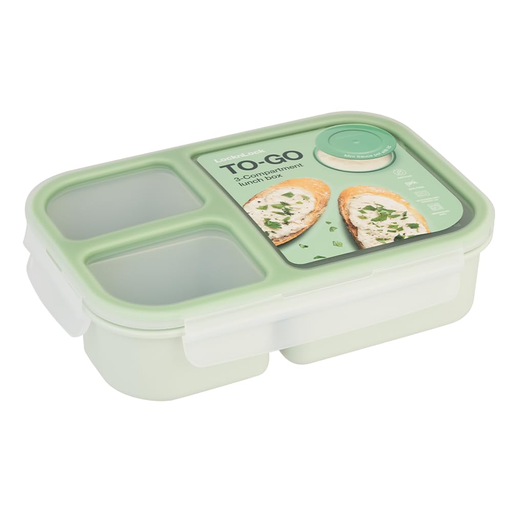
Why it's a great fit: Ideal for professionals and students who want to pack a varied meal with a main, a side, and a snack. The fixed compartments keep everything organised and prevent foods from mixing.
The 4-sided locking system with a silicone seal ensures a reliable seal, bypassing the problem of boxes that are only seemingly leak-proof.
The integrated, separate sauce container is a practical detail for dressings or dips. The box is also suitable for the microwave, freezer, and dishwasher.
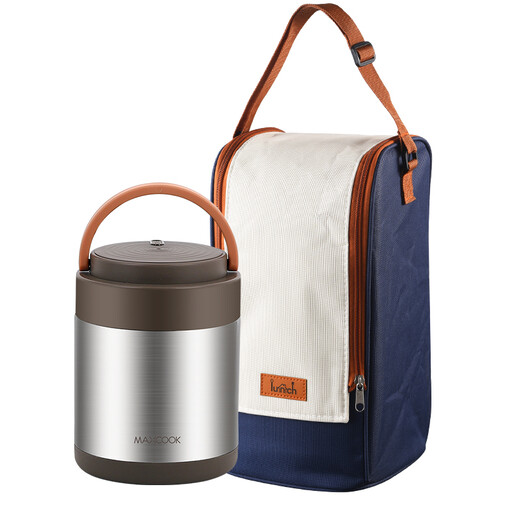
Why it's a great fit: Perfect for anyone who wants to enjoy a warm meal like soup, stew, or curry without access to a microwave. A classic insulated food jar.
This container is specifically designed for temperature insulation, avoiding the issue of plastic boxes that can't retain heat or are unsuitable for hot liquids.
The 304 stainless steel vacuum insulation keeps food hot or cold for 4–6 hours, according to the manufacturer. The wide opening makes it easy to fill, eat from, and clean.
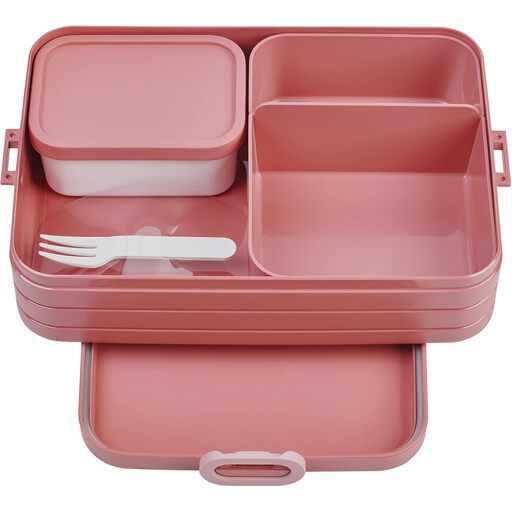
Why it's a great fit: For those who prep their meals for the week and need a large, adaptable container. Ideal for use as versatile meal prep boxes.
The removable bento inserts solve the problem of rigid compartments. You can flexibly adapt the box depending on the meal and are not limited to a fixed layout.
The large 1.5-litre capacity and microwave-safe inserts (without the lid) offer maximum flexibility for preparing and reheating meals.
We have compiled a complete, up-to-date list of products that fully meet these strict selection criteria and safety regulations.
No. The term "leak-proof" is not used consistently. For liquid foods like soups or stews, a box with a robust silicone seal and a multi-sided locking system (e.g., with four snap-locks) is required. Simple press-on lids are unsuitable for this purpose. An insulated food jar with a screw-top lid is often the safest choice for transporting liquids.
BPA (Bisphenol A) is a chemical compound used in some plastics. It can leach out of the material when heated and transfer to food. For health and safety reasons, to-go food containers, especially a microwave-safe lunch box, should always be BPA-free. This ensures that no unwanted substances get into your meal during heating.
Always follow the manufacturer's instructions. Most plastic boxes are dishwasher-safe but should be placed on the top rack to protect the material and the seal. Stainless steel containers, especially those with vacuum insulation, should be hand-washed to avoid damaging the seals and compromising the insulation performance. Thoroughly dry all parts after cleaning before assembling and storing the box to prevent odours from developing.