
Lieferung heute & morgen

Qualitätsgarantie

Willkommens-Angebote freischalten: KOSTENLOSE Lieferung | Bis zu 80 % RABATT | Kostenlose 30-Tage-JoyPlus-Testphase
App herunterladen
A well-organised meal on the go can make a world of difference during a busy workday or long days at university. A compartment lunch box is the ideal solution, but the market is vast, and not every product lives up to its promise. Common frustrations include soggy backpack contents from a leaky container or different foods mixing together.
This guide will help you identify the common pitfalls when buying a lunch box and find a model that meets your standards for material quality, leak-proofing, and practicality.
Many containers look robust on the shelf but reveal their weaknesses only after daily use. Pay close attention to these two points to avoid a bad purchase:
To find a durable and functional bento box, you should examine three core aspects: the material, the locking mechanism, and everyday practicality.
The material significantly influences durability, weight, and how you can use the container.
Calling a lunch box leak-proof requires more than just a lid. The interplay between the seal and the lock is crucial. Look for models with a continuous silicone seal that sits firmly in the lid but can be removed for thorough cleaning. Four-sided clip-locks distribute pressure evenly and ensure a secure hold, even when the lunch container for work is jostled around in a bag.
Consider how you will use the box. Does it need to go in the dishwasher? Must it be microwave-safe? For preparing multiple meals, stackable meal prep boxes are especially convenient. Fixed or flexible dividers help keep different components of your meal—like salad and croutons—separate and fresh until you're ready to eat.
Here are a few recommendations tailored to specific use cases.
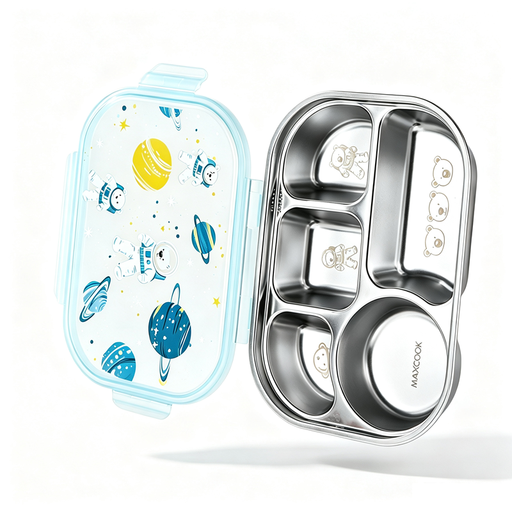
Why it's a great fit: The fixed dividers allow for clean separation of different foods—perfect for a varied lunch at the office. The high-quality stainless steel has a professional look, is hygienic, and is extremely durable.
The 316 grade stainless steel construction prevents odour and stain absorption, a common problem with plastic boxes. The permanently integrated compartments ensure that flavours do not mix.
Five separate compartments for maximum organisation and high corrosion resistance thanks to the material used.
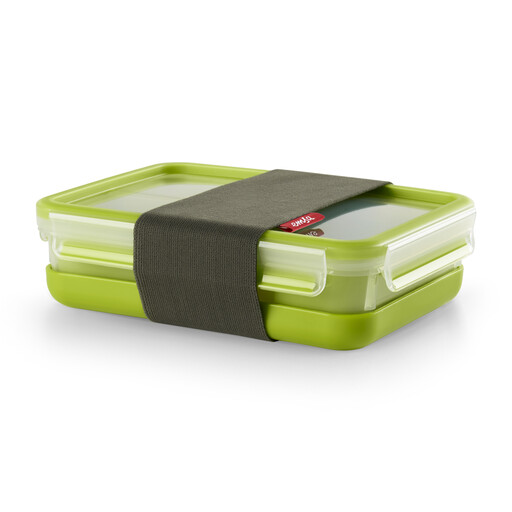
Why it's a great fit: The flexible system with three inserts and a separate tray is perfect for a meal prep cycle. Ingredients can be stored separately and mixed just before eating. Its suitability for the freezer and microwave makes it extremely versatile.
The Clip & Go system with its special freshness seal directly addresses the problem of deceptive leak-proofing. According to the manufacturer, the box is 100% leak-proof and designed for transport in bags.
High flexibility thanks to removable inserts and a reliable seal that keeps contents secure.
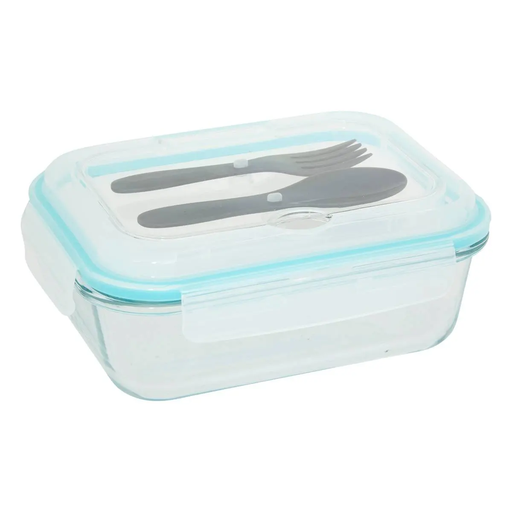
Why it's a great fit: Borosilicate glass is non-porous, does not leach substances into food, and is resistant to staining. It is the top choice for users who demand the highest standards of material purity and hygiene. The integrated cutlery is a practical detail.
As a glass container, this model completely bypasses the problem of material degradation seen in plastics. It does not absorb odours or warp, ensuring consistently high hygiene.
Made from borosilicate glass, which is flavour-neutral, oven-safe (without the lid), and dishwasher-safe. The materials are free of phthalates and BPA.
We've compiled a complete, up-to-date list of products that fully meet these strict selection criteria and safety standards.
No, absolutely not. Metal reflects microwaves, which can cause sparks and damage the appliance. Food from a stainless steel box must always be transferred to a microwave-safe dish for heating.
For a long-lasting seal, it is best to gently remove the silicone ring from the lid. Clean the seal and lid separately by hand or, if specified by the manufacturer, in the top rack of the dishwasher. Let both parts dry completely before reassembling them to prevent mould growth.
BPA (Bisphenol A) is an industrial chemical used in the production of certain plastics. There is a risk that it can leach into food in small amounts. The BPA-free label guarantees that a product was manufactured without this chemical. This is an established standard for food-contact materials and serves consumer safety.