
Lieferung heute & morgen

Qualitätsgarantie

Willkommens-Angebote freischalten: KOSTENLOSE Lieferung | Bis zu 80 % RABATT | Kostenlose 30-Tage-JoyPlus-Testphase
App herunterladen
A good compartment lunch box is more than just a container. It's a daily companion that transports your lunch from A to B, keeping it fresh, appetising, and secure. However, the market is flooded with products whose marketing promises often fall short in practice. Leaked sauces in your bag, mixed-up meals, and material that warps in the microwave are the frustrating consequences of a poor purchase. This guide will show you what to look for to find a durable and functional solution.
Before we dive into the important features, let's highlight the most common pitfalls. Many users invest in a supposedly high-quality box, only to be disappointed after a short time.
To avoid the problems mentioned above, you should check three technical specifications before buying a bento box or meal prep box.
Leak-proofing stands or falls on the quality of the seal and the lock. Look for the following features:
The material determines durability, safety, and application possibilities.
The compartment structure determines flexibility in daily life.
Based on the criteria above, we have identified several models suitable for different needs.
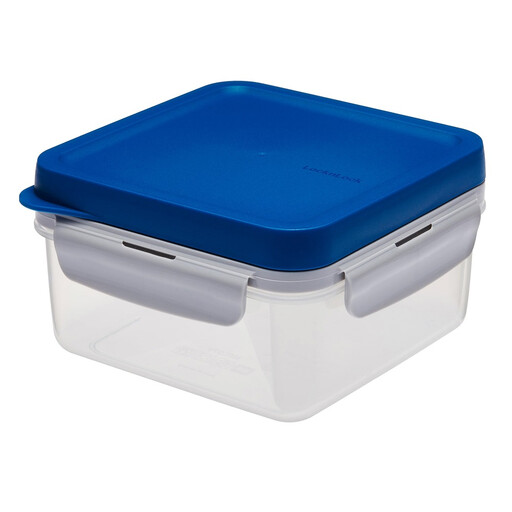
Why This Fits Their Persona: This all-in-one system is ideal for the office. With removable compartments, a complete cutlery set, and a separate sauce container, it includes everything needed for a full meal. You don't have to think about multiple separate items.
The 4-sided clip-lock system with a silicone seal reliably prevents leaks. The removable compartments provide true separation, and the high-quality PP material is designed for the microwave.
Complete system with a lunch box with cutlery and a sauce container. The removable inserts allow for flexible use and easy cleaning.
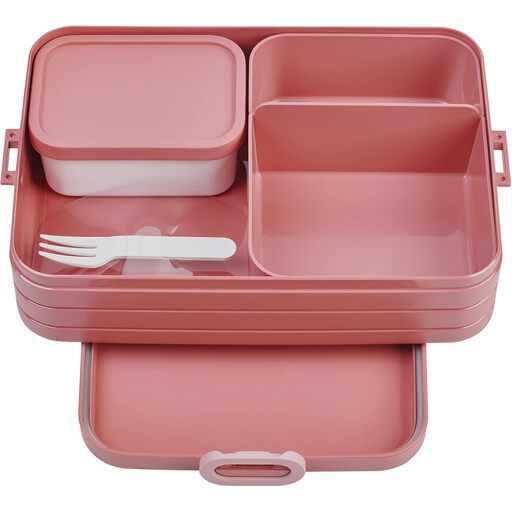
Why This Fits Their Persona: With a 1.5-litre capacity, this box is ideal for the large portions common in meal prepping. The removable bento inserts allow for separating a main course, side dish, and snack in a single large box.
The modular bento inserts are a direct solution to the problem of useless, fixed dividers. They allow for true separation of foods. The material is suitable for the microwave (without the lid).
Large volume (1.5 L) and high flexibility thanks to two separate inserts and an additional box with a fork. Ideal as a Meal Prep Box.
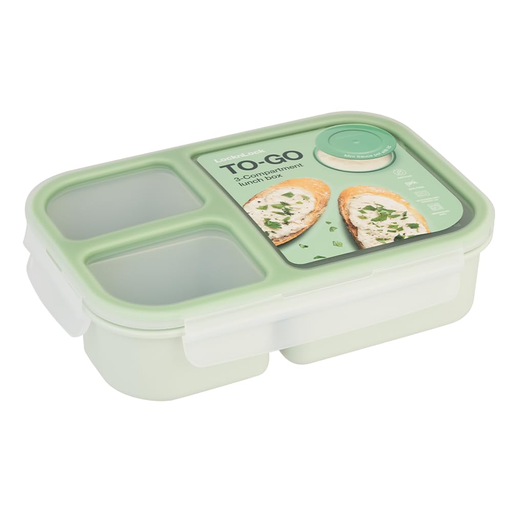
Why This Fits Their Persona: The compact size of just under one litre is perfect for a serving of salad, yoghurt with toppings, or sliced fruits and vegetables. The integrated, leak-proof sauce container is the key feature for a fresh salad box to-go.
The proven LocknLock locking system ensures that even liquid dressings won't leak. The fixed compartments are raised high and seal well with the lid to minimise mixing.
Compact design with three compartments and a completely sealed, integrated container for sauces or dips. Perfect for transporting fresh salads.
We have compiled a complete, up-to-date list of products that fully meet these strict selection criteria and safety regulations.
1. What's the most effective way to clean a lunch box with compartments? Most high-quality plastic boxes made of PP are dishwasher-safe. For a long lifespan, it is recommended to place the box and especially the lid with its seal in the top rack of the dishwasher. If there are removable inserts, they should be cleaned separately. For stubborn odours (e.g., from curry), it can help to let the box sit overnight filled with a paste of baking soda and water, then rinse it thoroughly.
2. Are all lunch boxes labelled "BPA-free" truly safe? The "BPA-free" label means that the plastic was manufactured without the chemical Bisphenol A. Reputable brands typically use polypropylene (PP) or Tritan for their products, which are considered stable and food-grade materials. It is advisable to choose products from established manufacturers and always use the box according to instructions—especially when heating in the microwave, which should always be done without the lid to avoid material stress and pressure build-up.
3. Can I put hot food directly into a plastic lunch box? Although high-quality polypropylene can withstand temperatures up to 120°C, it is advisable to let very hot food cool for a few minutes before filling. This avoids extreme thermal shock, which could stress the material over time. It also prevents the formation of heavy condensation inside the box, which could make the food soggy.