
Lieferung heute & morgen

Qualitätsgarantie

Willkommens-Angebote freischalten: KOSTENLOSE Lieferung | Bis zu 80 % RABATT | Kostenlose 30-Tage-JoyPlus-Testphase
App herunterladen
A good compartment lunch box can make your daily routine significantly easier. It keeps your lunch fresh, appetising, and ensures your salad doesn't end up drowned in dressing. However, the market is flooded with products that often fail to deliver on their promises. Before making a purchase, it's crucial to understand the common weaknesses that can quickly turn a supposed convenience into a nuisance in your backpack.
Many buyers find that their new box starts leaking after just a few weeks, the material develops stubborn stains from tomato sauce, or the dividers fail to do their job. This guide will show you what to look for to avoid these pitfalls and find a functional lunch box for work or leisure.
The disappointment following a new lunch box purchase can often be traced back to three fundamental design flaws, usually masked by marketing promises.
To avoid a bad purchase, you should carefully examine three technical features before making a decision. These largely determine the durability and functionality of your new lunch box.
The choice of material directly impacts weight, maintenance, and potential uses.
The reliability of a leak-proof bento box depends entirely on the seal in the lid and the locking system.
The number and size of the compartments should match your eating habits.
Based on the criteria above, we have identified several models that are well-suited for different use cases.
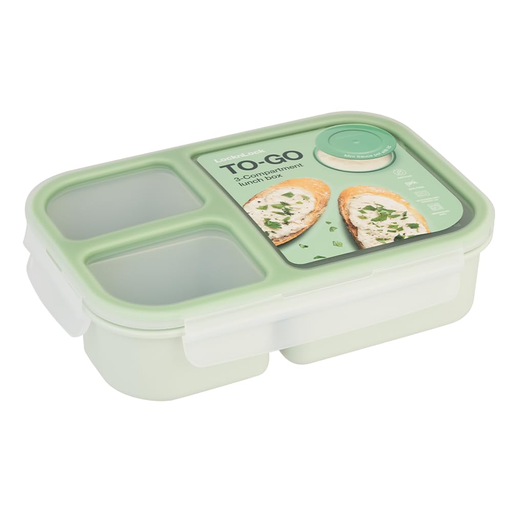
Why This Fits Their Persona: Ideal for professionals who want to bring a complete meal and reheat it easily. The three compartments and integrated sauce container allow for a varied and organised meal right at the office.
The patented 4-sided locking system with a silicone seal ensures the entire box is highly leak-proof. The separate, sealed sauce container prevents dressing from spilling.
Microwave-safe (without lid) and dishwasher-safe. The smart layout with a sauce container makes it a practical all-in-one solution.
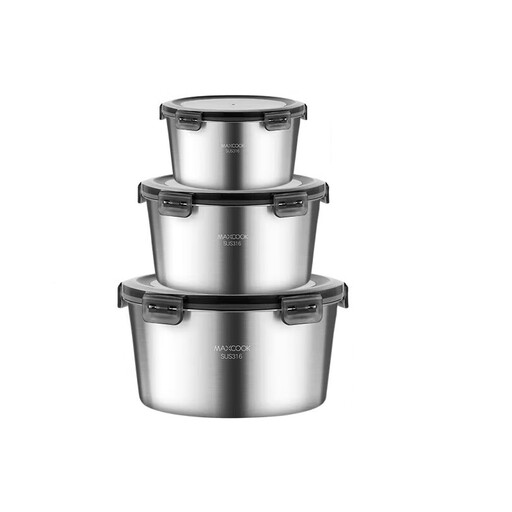
Why This Fits Their Persona: Perfect for users who prioritise material purity and durability. The set of three containers in different sizes (600ml, 1100ml, 2200ml) offers maximum flexibility for preparing various meals and portions.
The high-quality 316-grade stainless steel is resistant to corrosion, odours, and stains. This completely bypasses the second major pitfall—inferior material.
Extremely durable, hygienic, and dishwasher-safe. The set is stackable, saving storage space. Ideal for long-term use.
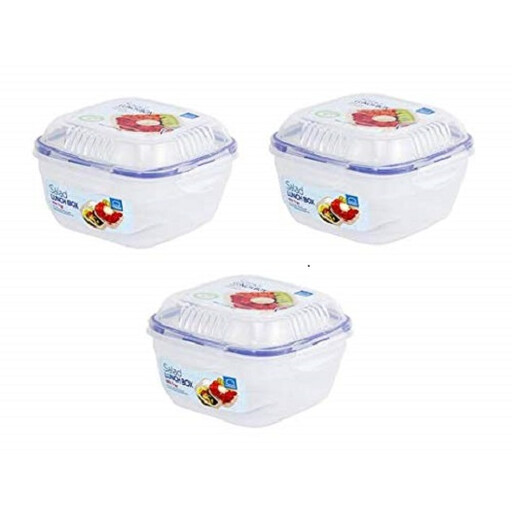
Why This Fits Their Persona: This 3-piece set is an economical and versatile solution for families. The boxes work well as a salad-to-go box for parents or as a snack box for school, as the inserts can be used flexibly.
The separate insert for toppings and the dressing cup solve the problem of mixing and sogginess at its source. Ingredients stay separate and fresh until it's time to eat.
The set offers excellent value for money. The boxes are made of BPA-free plastic, are dishwasher-safe, and are reliably leak-proof thanks to the proven locking system.
We have compiled a complete, up-to-date list of products that fully meet these strict selection criteria and safety standards.
1. Are stainless steel lunch boxes really better than plastic ones? No single material is universally "better"; it depends on the use case. Stainless steel is unmatched in terms of durability, hygiene, and resistance to stains. However, it's heavier and not microwave-safe. BPA-free plastic is lightweight, often microwave-safe, and more affordable. For quick reheating at the office, plastic is more practical, while for transporting cold foods and ensuring maximum durability, stainless steel is a great choice.
2. How do I properly clean my compartment lunch box to prevent odours? Rinse the box with cold water immediately after use to remove any large food remnants. Most models are dishwasher-safe; it's best to place the lid and small parts on the top rack. For stubborn odours in plastic boxes, soaking them overnight in a mixture of water and vinegar or baking soda can help. Always store the boxes with the lid slightly ajar to allow air to circulate.
3. What does "leak-proof" really mean for a bento box? A reputable "leak-proof" claim should refer to the entire box when it is closed, meaning no liquid can escape to the outside. A higher level of quality is achieved when the individual compartments are also sealed from each other. Look for product descriptions that explicitly mention that the dividers connect with the lid's seal to prevent liquid or moist foods from mixing.