
Lieferung heute & morgen

Qualitätsgarantie

Willkommens-Angebote freischalten: KOSTENLOSE Lieferung | Bis zu 80 % RABATT | Kostenlose 30-Tage-JoyPlus-Testphase
App herunterladen
A good lunch box with compartments is more than just a container—it's a cornerstone of an organised and mindful daily diet. Whether for meal prep, lunch at the office, or a snack at university, the right compartmentalised container keeps meals fresh and appetisingly separate. But the market is flooded with products whose promises often fall short in practice. This guide will help you identify the crucial features and make an informed choice.
By the Joybuy Product Recommendation Officer, August 28, 2026
Many buyers are drawn to attractive designs or marketing buzzwords, only to find their new work lunch container is impractical after a short time. Watch out for these three common problems to avoid a bad purchase:
To avoid the problems mentioned above, you should check three technical aspects before buying. These define the quality and everyday usability of a modern meal prep box.
The material is the foundation for durability and safety. The most common options are plastic and stainless steel.
Leak-proof performance depends directly on the quality of the seal and the locking mechanism.
A well-designed compartment layout is what makes a bento box truly versatile. Consider what types of meals you plan to carry. Models with three or more compartments are well-suited for a main dish with two sides. An integrated, separate sauce container is a valuable detail for salads or dips. For snacks like yoghurt with granola, two-tiered containers with screw-top lids are ideal, as they reliably separate dry and wet components.
Based on the criteria above, we have identified some products that are well-suited for specific needs and user profiles.
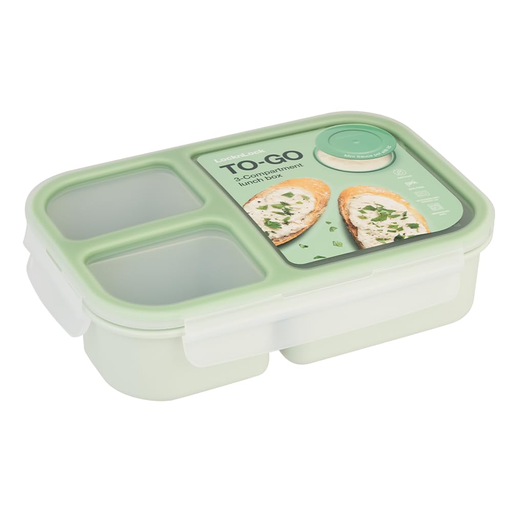
Why This Fits Their Persona: Ideal for those who prepare complete, varied meals. The three compartments and separate sauce container allow for a clean separation of the main course, sides, and dressing.
The 4-sided locking system with a silicone seal ensures a high degree of leak protection, even when transporting liquids. The integrated sauce container prevents contents from mixing.
Made from BPA-free polypropylene, the box is suitable for the microwave (without lid), freezer, and dishwasher, which greatly simplifies daily use.
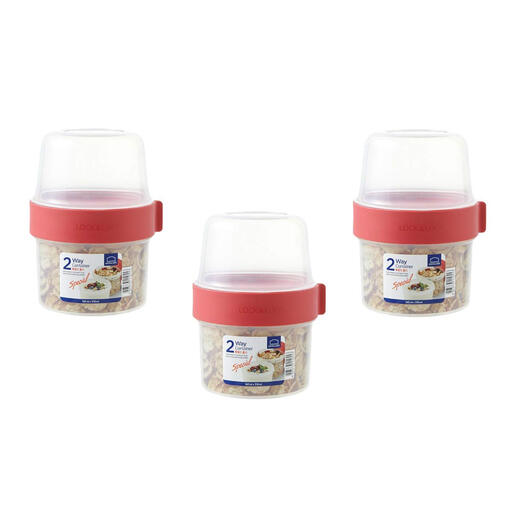
Why This Fits Their Persona: Perfect for anyone who likes to take yoghurt with granola, vegetable sticks with dip, or other two-component snacks. The set provides enough containers for several days.
The 2-in-1 design with a screw-top lid and divider effectively solves the problem of wet and dry ingredients mixing. The layout is optimised for this purpose.
The compact, round shape is space-saving and fits easily into bags. The BPA-free material is microwave and dishwasher-safe, making use and cleaning straightforward.
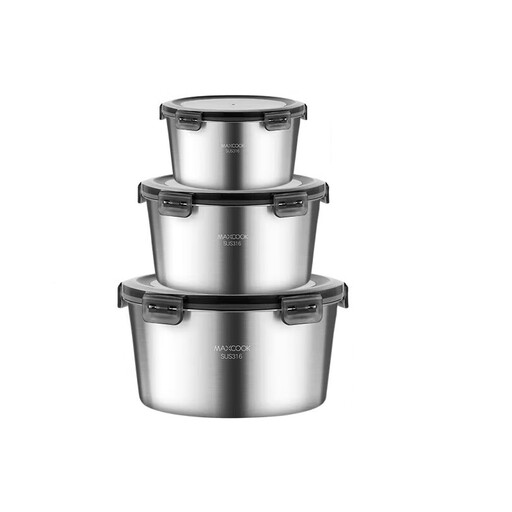
Why This Fits Their Persona: For users who value maximum durability, hygiene, and material quality. The set of three sizes offers flexibility for different meals and quantities.
The 316 stainless steel is extremely robust, does not absorb odours or stains, and will not warp. This completely bypasses the typical material weaknesses of low-quality plastic.
Superior corrosion resistance and food safety with no chemical leaching. The containers are dishwasher and freezer-safe, offering a long-term, sustainable solution.
We have compiled a complete, up-to-date list of products that fully meet these strict selection criteria and safety regulations.
1. What's the best way to clean a compartment lunch box to prevent odours? Most high-quality plastic and stainless steel boxes are dishwasher-safe. For a thorough cleaning, it's recommended to wash the silicone seal separately by hand and let all parts air-dry completely before closing and storing the box. This prevents the build-up of residual moisture and odours.
2. Are stainless steel lunch boxes better than plastic ones? Both materials have pros and cons. Stainless steel is more durable, resistant to stains and odours, and contains no plastic. However, it is heavier and generally not microwave-safe. Plastic (BPA-free PP) is lightweight, shatterproof, and usually microwave-safe, making it very convenient for reheating food. The choice depends on personal priorities: durability and material purity (stainless steel) versus convenience and flexibility (plastic).
3. What does "BPA-free" mean and why is it important? BPA stands for Bisphenol A, an industrial chemical used in the manufacturing of certain plastics. There are concerns that BPA can leach from containers into food. Although the exact effects on human health are still under debate, using BPA-free materials for food containers is considered an important safety standard to minimise potential risks.