
Lieferung heute & morgen

Qualitätsgarantie

Willkommens-Angebote freischalten: KOSTENLOSE Lieferung | Bis zu 80 % RABATT | Kostenlose 30-Tage-JoyPlus-Testphase
App herunterladen
A good compartment lunch box can make daily life much easier, allowing you to prepare varied and fresh meals for the office, university, or day trips. However, the market is flooded with products that often fail to live up to their promises in practice. The result is frequently disappointing: soggy salads, mixed-up meals, or lids that warp after just a few washes.
Before you make a decision, you should be aware of the common pitfalls that can lead to a poor purchase:
To avoid these problems, you should focus on objective and verifiable criteria when making your choice. These three features are critical for the durability and functionality of your food container.
The material is the foundation of any good lunch box. High-quality Polypropylene (PP) is a common and excellent choice. Look for the following properties:
The leak-proof lunch box quality depends directly on the locking system and the seal. A reliable mechanism consists of two components:
A food container with dividers is only useful if the compartments serve their purpose. There are two basic designs:
An integrated or separate sauce container is an added bonus for carrying dressings or dips securely and separately.
Based on the criteria mentioned, we have identified several models that are well-suited for different user profiles.
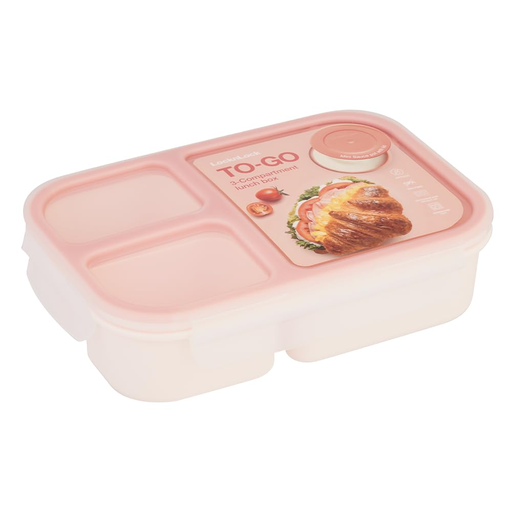
Why This Fits Their Persona: Ideal for professionals who take a varied meal to work every day. The fixed compartments and integrated sauce container keep the main course, side dish, and dressing neatly separated. The size is designed for a standard lunch portion.
The 4-sided locking system with a silicone seal ensures a high degree of leak protection, while the fixed, high-walled dividers prevent food from mixing.
BPA-free PP material, microwave-safe, and dishwasher-safe. Integrated, leak-proof sauce container.
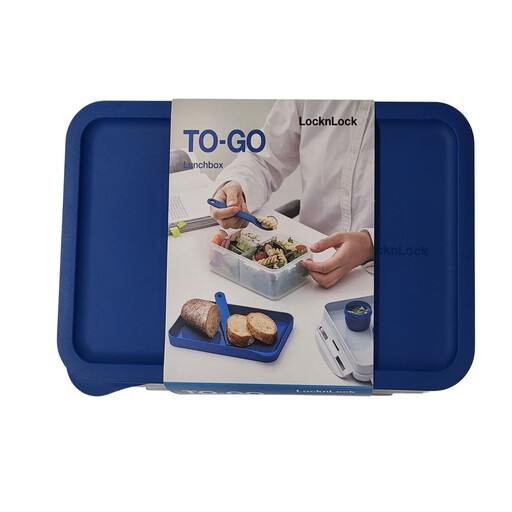
Why This Fits Their Persona: Perfect for people who prep their meals for several days and need flexibility. The three removable compartments allow the box to be adapted to any dish—from a large portion of pasta to separate snacks. The included cutlery set makes it a complete on-the-go solution.
The removable inserts are precision-made, and the lid seals the entire box to be airtight and watertight, ensuring the system's reliability.
Maximum flexibility with 3 removable compartments. Includes a full cutlery set and a sauce container.

Why This Fits Their Persona: For anyone who needs larger meals, whether for long workdays, post-workout fuel, or sharing a meal. With a 1.2-litre capacity, this box offers ample space while retaining the flexibility of removable compartments and accessories.
Despite its larger size, the proven LocknLock locking system ensures the same high level of leak protection and stability as the smaller models.
Large 1.2-litre capacity. Offers the same benefits as the 1.0-litre model, including accessories and removable compartments.
We have compiled a complete, up-to-date list of products that fully meet these strict selection criteria and UK/EU safety regulations.
Yes, as long as they are marked as microwave-safe and made from materials like Polypropylene (PP). It is crucial to always follow the manufacturer's instructions. Typically, the lid must be removed before heating, as steam can create pressure that could damage the seal. Heat foods high in fat, sugar, or tomato with caution, as they can reach very high temperatures and may stain the material.
Most high-quality lunch boxes are dishwasher-safe, which is the easiest and most hygienic cleaning method. For manual cleaning, use warm water and a mild washing-up liquid. Rinse the box immediately after use to prevent food residue from drying. For stubborn odours, it can help to leave the box filled overnight with a mixture of water and vinegar or baking soda, then rinse it thoroughly.
BPA (Bisphenol A) is an industrial chemical that was used in the manufacturing of certain plastics. There are concerns that BPA can leach from containers into food. "BPA-free" means the plastic was produced without this chemical. In the European Union, the use of BPA in food contact materials for infants and young children is already heavily restricted, and strict migration limits apply to all other products. The "BPA-free" label offers consumers an extra layer of assurance.