
Lieferung heute & morgen

Qualitätsgarantie

Willkommens-Angebote freischalten: KOSTENLOSE Lieferung | Bis zu 80 % RABATT | Kostenlose 30-Tage-JoyPlus-Testphase
App herunterladen
A good compartment lunch box is more than just a simple container. It's an essential tool for anyone who values fresh, homemade meals at the office, university, or on the go. But the market is flooded with products whose marketing promises often fall short in practice. Leaking dressings, mixed-up ingredients, and low-quality materials are common frustrations. This guide will help you identify the crucial features and avoid making a poor purchase.
Before you make a decision, you should be aware of the three most common problems found in low-quality products:
To find the right bento box or meal prep container, focus on these three objective criteria.
The material affects the weight, durability, and use cases of your lunch box.
Whether a lunch box can truly be called leak-proof depends entirely on the design of the lid and its gasket. Look for models with a 4-sided locking system and a surrounding silicone gasket. This design presses the lid evenly onto the container's rim, creating a reliable barrier against leaking liquids. Simple snap-on lids without a separate gasket usually don't offer this level of protection.
The compartments determine how flexibly you can plan your meals.
Here are a few models tailored to specific needs that successfully avoid the pitfalls mentioned.
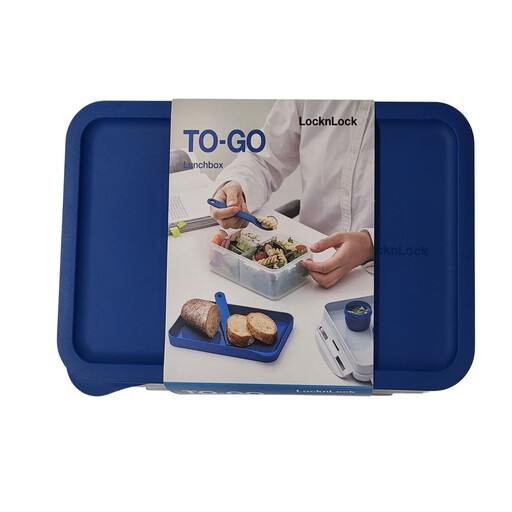
Why This Fits Their Persona: Ideal for professionals and students looking for a complete and straightforward solution for their daily lunch. It has everything: the box, flexible compartments, cutlery, and a sauce pot.
The 4-sided locking system with its silicone gasket ensures a tight seal. The removable compartments offer maximum flexibility, bypassing the problem of a rigid, impractical layout.
All-in-one set with cutlery and a sauce pot. The BPA-free polypropylene is microwave and dishwasher-safe.
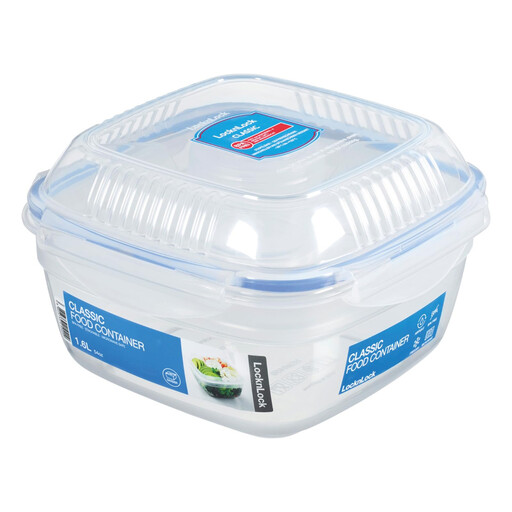
Why This Fits Their Persona: Perfect for anyone who wants to enjoy their salad fresh and crisp. The design is specifically engineered to keep wet and dry ingredients separate until it's time to eat.
It solves the core problem of mixed ingredients with a separate tray for toppings and a leak-proof dressing pot. The 4-sided lock reliably prevents dressing from spilling.
Large volume (1.6 L) for main-course salads. The smart design keeps salad fresh until lunchtime.
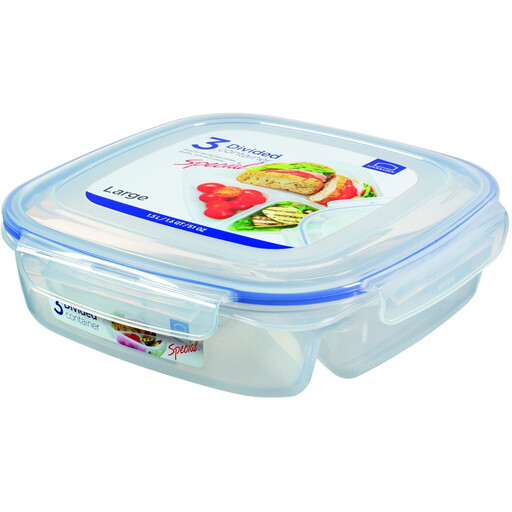
Why This Fits Their Persona: For people who prepare meals for several days at a time. The fixed 3-compartment structure is ideal for portion-controlling a main dish and sides. The containers are freezer and microwave-safe.
The high-quality PP material is rated for temperatures from -20°C to 120°C, resisting material fatigue from freezing and heating. The lid seals tightly to prevent external leaks.
Fixed compartment structure for easy portioning. Large capacity and great stackability for organised storage in the fridge or freezer.
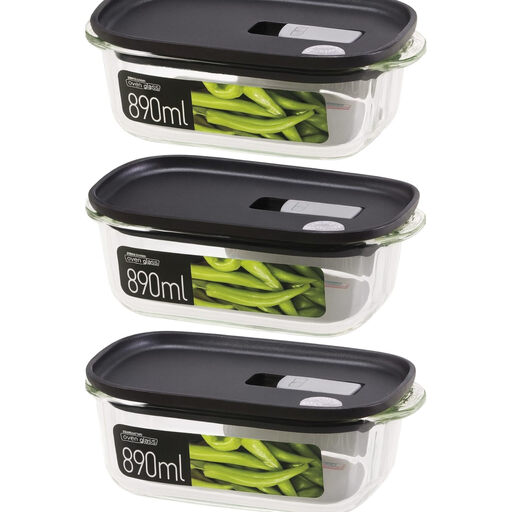
Why This Fits Their Persona: For users who prefer a plastic-free alternative and value maximum hygiene and versatility. The glass is oven-safe, making it suitable for cooking and baking as well.
Glass is naturally resistant to stains, odours, and chemical reactions, completely bypassing the material degradation issues of plastic. The lid's steam vent is a thoughtful feature for microwave use.
Oven-safe glass (without lid), completely non-reactive and hygienic. The steam vent in the lid allows for safe reheating in the microwave.
We have compiled a complete, up-to-date list of products that fully meet these strict selection criteria and rigorous safety standards.
1. Are compartment lunch boxes truly leak-proof between the sections? It heavily depends on the model. On many cheaper boxes, the dividers are not tall enough or don't seal tightly against the lid, allowing liquids like sauces or dressings to mix. Models with tight-fitting lids and silicone gaskets, especially those with separate, sealable inserts (like in salad boxes), offer greater security. For entirely liquid meals like soup, a dedicated, non-divided, sealed container is always the safer choice.
2. What is the best way to clean a compartment lunch box to prevent odours? Most high-quality plastic and glass boxes are dishwasher-safe. For a longer lifespan, it's best to place them on the top rack of the dishwasher. When hand-washing, use warm water, mild detergent, and a soft sponge. To prevent odours, always store the boxes after cleaning with the lid slightly ajar or loosely placed on top to allow air to circulate.
3. Can I put a plastic lunch box in the microwave straight from the freezer? It is generally not recommended. The extreme temperature shock can stress the material and lead to cracks. Let the frozen container sit at room temperature for a few minutes before opening it and placing it in the microwave. Always remove the lid completely before heating to prevent pressure build-up. Always follow the manufacturer's instructions regarding maximum temperatures.