
Lieferung heute & morgen

Qualitätsgarantie

Willkommens-Angebote freischalten: KOSTENLOSE Lieferung | Bis zu 80 % RABATT | Kostenlose 30-Tage-JoyPlus-Testphase
App herunterladen
We've all been there: you've prepared your lunch for work or university, but during transit, the ingredients get mixed up, the salad turns soggy, or the sauce leaks everywhere. A well-designed lunch box with compartments can solve this problem. It not only keeps the individual components of your meal separate and fresh but also ensures they are transported securely.
This article serves as your guide. We'll introduce various models and explain which features are important for different needs, helping you make an informed decision for your daily routine.
The variety of containers available is vast. To find the perfect one for you, several functional criteria are key.
Material is a crucial factor for both food safety and practicality. Many modern food containers are made from high-quality plastic like polypropylene (PP). Look for the BPA-free label. This indicates that the plastic was manufactured without the plasticiser Bisphenol A.
Another key feature is microwave suitability. A microwave-safe box allows you to heat up pre-prepared meals directly in the container. Always check the manufacturer's instructions, as the lid often needs to be removed before heating.
A reliable seal is essential for safely transporting liquids like dressings, soups, or yoghurt. A leak-proof food container typically features a silicone seal in the lid and a robust clip-lock system. These closures ensure the contents are hermetically sealed, keeping food fresher for longer and trapping odours inside.
The number and size of the compartments determine how flexibly you can plan your meals. A bento box for adults with multiple dividers is excellent for keeping a main course, a side dish, and a small snack separate. For specific needs, there are specialised solutions:
Here, we present a few models from the LocknLock brand, each suited for different needs due to their specific features.
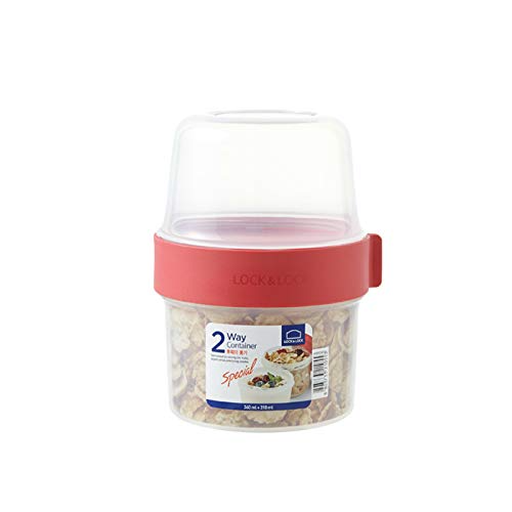
Why it stands out: With its 2-in-1 design, this container is specifically made for snacks where you need to keep wet and dry ingredients separate. A lower container (360 ml) and an upper container (310 ml) are connected by a screw-on lid with a dividing insert.
Advantages:
Who is it for? Ideal for anyone who enjoys taking yoghurt with granola, fruit with cottage cheese, or vegetable sticks with dip as a snack.
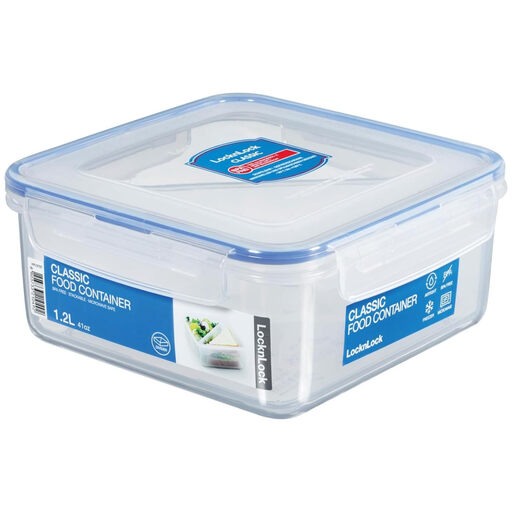
Why it stands out: With a 1.2-litre capacity and a built-in divider, this container offers ample space for a large sandwich and a side. The divider prevents ingredients from mixing and stops the bread from getting soggy.
Advantages:
Who is it for? Perfect for professionals and students who like to bring sandwiches, wraps, or larger portions to work or lectures.
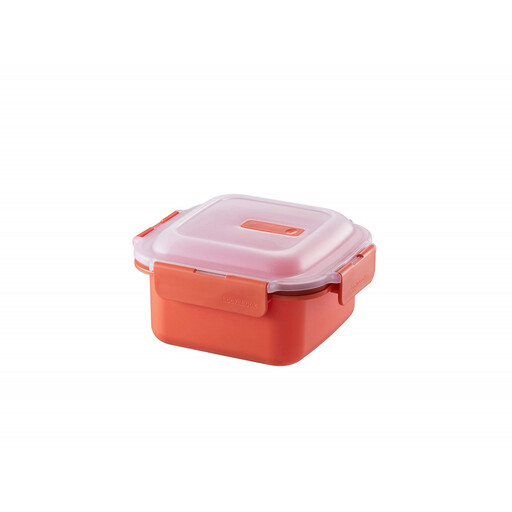
Why it stands out: This meal prep box is specially designed for microwave use. An integrated steam vent in the lid allows steam to escape in a controlled manner during heating, which prevents splatters and promotes even cooking.
Advantages:
Who is it for? A practical solution for anyone who wants to heat their pre-cooked meals directly in the microwave at the office or at home, without having to remove the lid.
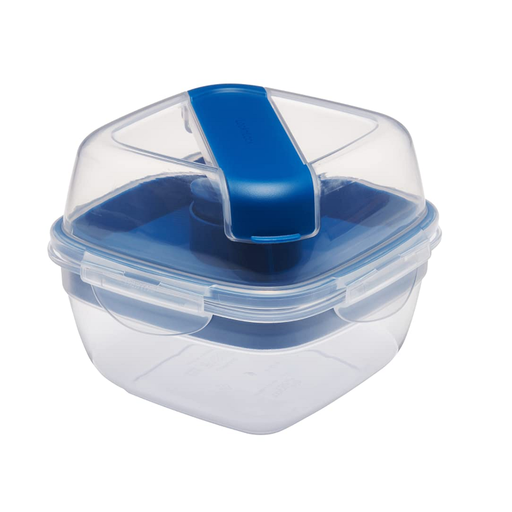
Why it stands out: This model is an all-in-one solution for salad lovers. It includes a removable tray with three compartments, a separate sauce container, and a full cutlery set (knife, fork, spoon).
Advantages:
Who is it for? For health-conscious individuals who don't want to give up a fresh, crisp salad with various toppings and a separate dressing while on the go.
The models featured here already cover a wide range of uses. However, if you haven't found the perfect solution for your individual needs yet, there are more alternatives to explore.
Explore our full range of sealable plastic containers to find the perfect solution for your meals.
"BPA-free" means that the plastic was manufactured without the chemical Bisphenol A. BPA is suspected of being harmful to health, which is why BPA-free materials have become an established standard for product safety in food containers.
Most modern lunch boxes are dishwasher-safe, which simplifies cleaning. Always refer to the manufacturer's instructions. For hand washing, use warm water and a mild washing-up liquid. It's important to thoroughly clean seals and corners and to let all parts dry completely before reassembling.
No, not every container is suitable for the microwave. Always check the product description or the symbols on the bottom of the container. As a rule, lids—especially those with silicone seals or special locking mechanisms—must be removed before heating, unless they feature a steam vent, like some LocknLock containers.