
Lieferung heute & morgen

Qualitätsgarantie

Willkommens-Angebote freischalten: KOSTENLOSE Lieferung | Bis zu 80 % RABATT | Kostenlose 30-Tage-JoyPlus-Testphase
App herunterladen
We've all been there: the carefully prepared lunch for the office or university loses its freshness on the way, the sauce mixes with the salad, and in the worst-case scenario, something leaks in your bag. A high-quality compartment lunch box is the solution. It allows you to transport different components of a meal separately, securely, and appetisingly.
This guide is here to help. It introduces various models and explains the key features you should look for to find the perfect lunch box with dividers for your needs.
The selection of meal prep containers is vast. To make an informed decision, three criteria are particularly important: material, leak-proofing, and the functionality of the compartments.
A modern lunch box for adults should be versatile. Look for models made from BPA-free polypropylene (PP). This material is food-safe, durable, and lightweight. Another important aspect is temperature resistance. Containers that are suitable for both the microwave (for reheating food) and the freezer (for storing meals) offer maximum flexibility in your daily routine. Typical temperature ranges are between -20°C and +120°C.
Making a lunch box reliably leak-proof is one of the biggest challenges for manufacturers. The key is the combination of the seal and the lock. High-quality models use a silicone seal in the lid, which creates a hermetic barrier. Paired with a robust, multi-sided click-lock system, this ensures that even liquids like soups or sauces can be transported safely.
The compartments are the core feature of these boxes. There's a distinction between fixed, integrated dividers and removable inserts. Removable compartments offer more flexibility, as the box can also be used as a single large container. For specific needs, there are specialised models like a salad-to-go container, where dressing and toppings are stored separately. A to-go food container with cutlery is particularly convenient, as it bundles everything you need for your meal in one place, eliminating the need to carry separate utensils. This type of box is also often called a Bento Box, inspired by the Japanese tradition of packing portioned and visually appealing meals.
Based on the criteria mentioned, we have compiled a selection of functional models suitable for various purposes.
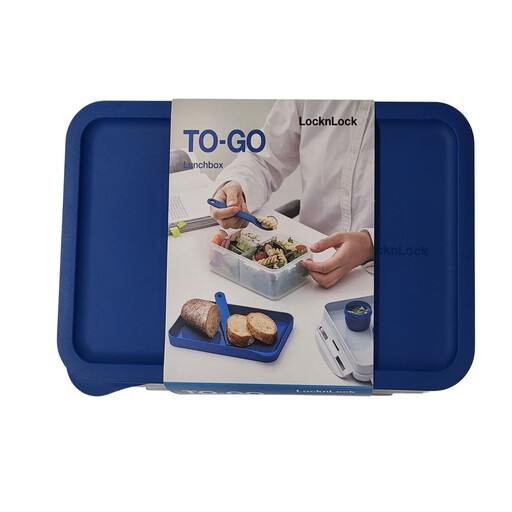
Why it stands out: This model is a complete on-the-go system. With three removable compartments and an integrated cutlery set, it offers a high degree of flexibility for assembling meals.
Advantages:
Who it's for: Ideal for individuals who take a complete, multi-component meal to work or university daily and prefer an all-in-one solution.
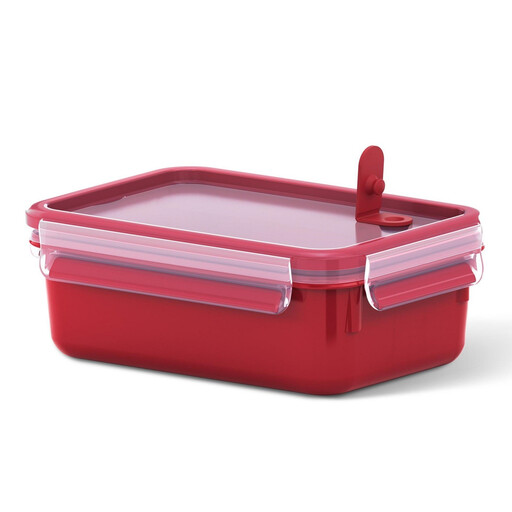
Why it stands out: The standout feature of this container is the valve in the lid, which allows for reheating in the microwave without removing the lid. This prevents splatters and ensures even heating.
Advantages:
Who it's for: Perfect for professionals who heat their meals directly at the office and value maximum convenience and a clean microwave.
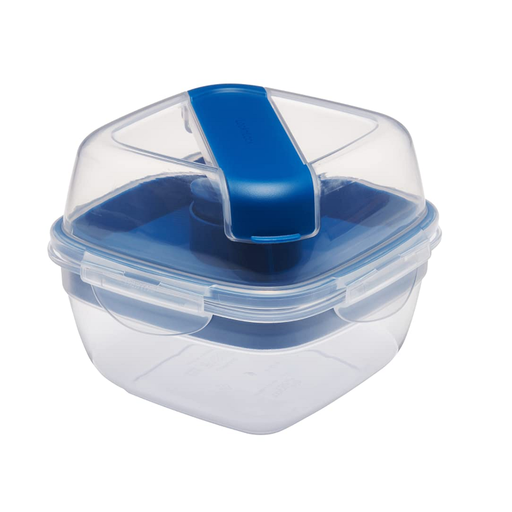
Why it stands out: This salad-to-go container is specially designed with its two-tier structure to separate dry and wet ingredients. The top insert with three compartments keeps toppings and dressing separate from the salad.
Advantages:
Who it's for: Especially recommended for salad lovers and meal preppers who want to ensure all ingredients stay crisp and fresh until it's time to eat.
The models featured cover common use cases. However, if you are looking for different sizes, materials like glass or stainless steel, or specific designs, you can find more alternatives in our wider selection.
? Explore the full range of food containers here
1. Are compartment lunch boxes dishwasher-safe? Most modern plastic (polypropylene) lunch boxes are dishwasher-safe. However, it is often recommended to clean them on the top rack of the dishwasher to protect the material from excessive heat and extend the life of the seals. Always follow the manufacturer's care instructions.
2. How can you ensure a lunch box is truly leak-proof? Look for a high-quality, wrap-around silicone seal in the lid and a robust locking system that presses the lid firmly against the container. Systems with click-locks on all four sides are considered particularly reliable for transporting liquids.
3. What is the difference between a Bento Box and a regular compartment lunch box? The term Bento Box originates from Japan and traditionally refers to a meal in a box with a fixed compartment layout, enabling balanced and visually appealing portioning. Today, the term is often used synonymously for any compartment lunch box that allows for a structured arrangement of food. At their core, both serve the same purpose: to keep meals separate and fresh.