
Lieferung heute & morgen

Qualitätsgarantie

Willkommens-Angebote freischalten: KOSTENLOSE Lieferung | Bis zu 80 % RABATT | Kostenlose 30-Tage-JoyPlus-Testphase
App herunterladen
A good compartment lunch box is more than just a container. It's a system that allows professionals, students, and health-conscious individuals to transport their meals in an organised, fresh, and appetising way. However, the market is flooded with products that often fail to live up to their promises. Before you invest, it's crucial to understand the common pitfalls that lead to frustration and wasted money.
As your Joybuy Product Recommendation Officer, I'll filter through the noise and show you what truly matters when making your choice.
Many lunch boxes look practical at first glance, but their weaknesses only become apparent with daily use. Watch out for these three common problems to avoid making a bad purchase:
To avoid these issues, focus on objective and verifiable criteria when making your selection. Three features are particularly critical.
The material determines durability, safety, and functionality. High-quality polypropylene (PP) is a common and excellent choice. It's robust, lightweight, and heat-resistant. Always look for the BPA-free label. This signifies that the plastic was made without the plasticiser Bisphenol A and is safe for food contact. Stainless steel or glass are also options, but they are heavier.
A truly leak-proof lunch box needs more than just a simple lid. Look for models with a robust locking mechanism, such as a 4-sided locking system. Combined with a continuous silicone seal that is firmly integrated into the lid, this creates a system that hermetically seals the box and reliably protects its contents.
A modern meal prep box for adults must be practical. Check if the lunch box is microwave-safe so you can heat up meals directly at the office. It's important to note the manufacturer's instructions on whether the lid should be removed. Being dishwasher-safe (usually on the top rack) makes cleaning significantly easier and ensures proper hygiene for daily use.
Based on these criteria, we have identified some models that are well-suited for different needs.
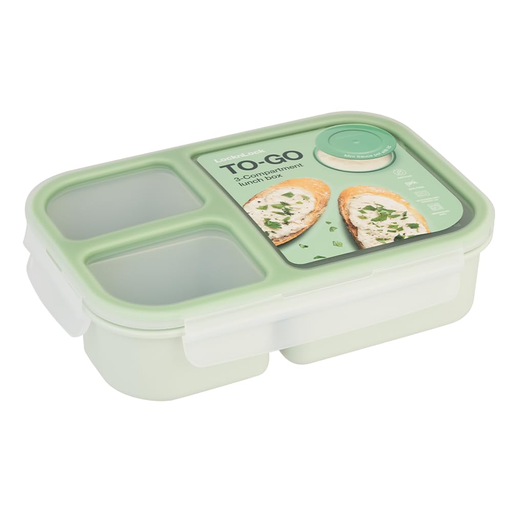
Why This Fits Their Persona: Ideal for professionals who want to pack a structured meal with a main course, side, and snack. The integrated, separate sauce container is perfect for salads or dips, preventing anything from getting soggy.
The patented 4-sided locking system with its silicone seal directly counters the "leak-proof" trap. The high-quality PP material is warp-resistant and suitable for the microwave and dishwasher.
Three separate compartments plus a distinct, sealed sauce container ensure maximum organisation and freshness.
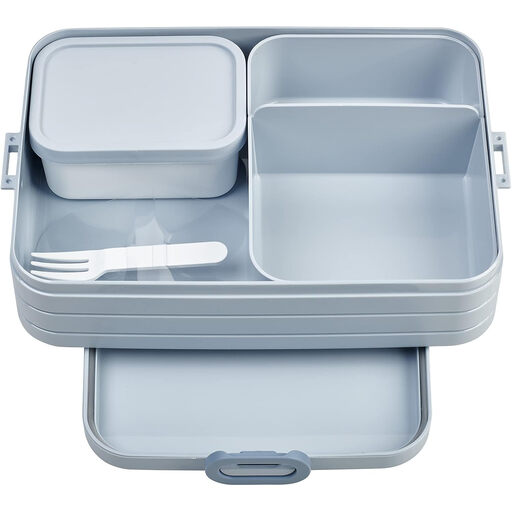
Why This Fits Their Persona: With a 1.5-litre capacity and removable inserts, this box offers maximum flexibility for preparing larger or more varied meals for the entire week.
It addresses the "impractical compartments" pitfall with a modular system. The robust materials are designed for frequent use as part of a meal prep routine.
Large volume (1.5 L) and a flexible interior layout thanks to two separate inserts, one of which includes a fork. The inserts are microwave-safe.
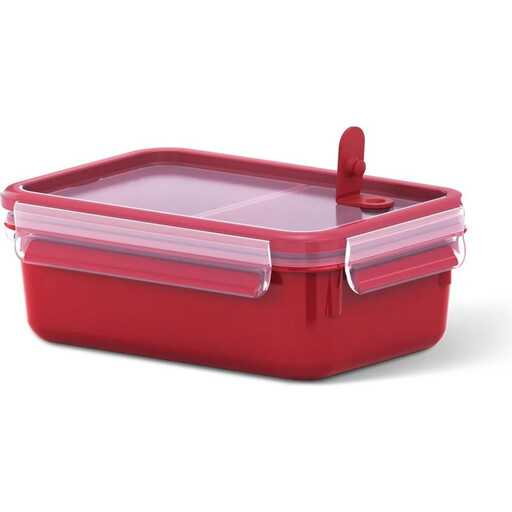
Why This Fits Their Persona: For users who regularly transport soups, stews, or very liquid foods and need absolute confidence in their container's seal. Safety is the top priority here.
The design is explicitly engineered for leak-proofing. According to the manufacturer, Tefal, the seal is fused to the lid, which prevents gaps and ensures a 100% tight seal.
Specialised sealing technology for the reliable transport of liquids. The box is also microwave-, freezer-, and dishwasher-safe.
We have compiled a complete, up-to-date list of products that fully meet these strict selection criteria and all relevant safety regulations.
What's the best way to clean a compartment lunch box to prevent odours? Most high-quality plastic boxes are top-rack dishwasher-safe, which is the easiest and most hygienic method. For stubborn odours, a paste of baking soda and water left in the box overnight can help. Always store the box without the lid on to allow it to air out completely.
Are all lunch boxes labelled "BPA-free" safe? The "BPA-free" label is a key indicator that Bisphenol A was not used in manufacturing. Reputable brands use food-grade plastics like polypropylene (PP). This is a reliable mark of material safety for food contact.
Can I put hot food directly into a plastic lunch box? It's advisable to let very hot food cool slightly before sealing the lid tightly. This prevents excess pressure from building up inside the container and protects the seal and material in the long run. Always adhere to the temperature range specified by the manufacturer (e.g., up to 120°C for microwave use).