
Lieferung heute & morgen

Qualitätsgarantie

Willkommens-Angebote freischalten: KOSTENLOSE Lieferung | Bis zu 80 % RABATT | Kostenlose 30-Tage-JoyPlus-Testphase
App herunterladen
We've all been there: you've prepped your lunch for work, but during transport, everything gets mixed into an unappetizing mush, or the sauce leaks and makes a mess in your bag. A well-designed compartment lunch box is the perfect solution. It allows you to transport different components of a meal separately, keeping them fresh and secure.
This guide presents a selection of practical on-the-go food containers and offers specific advice on what to look for when choosing one. Our goal is to provide you with an informed basis for purchasing a suitable model that will make your daily routine easier.
The market is filled with a wide variety of containers. To find the perfect solution for your needs, several objective criteria are crucial.
The material is a key factor for food safety and durability. Look for products made from high-quality, BPA-free plastic (like polypropylene) that is approved for food contact. Making a lunch box leak-proof is a technical challenge. Reliable indicators of a tight seal include silicone gaskets in the lid and a robust locking system. A four-sided locking system, like the one used in many LocknLock food storage containers, is considered especially reliable as it presses the lid evenly against the container.
The ideal number of compartments depends on your eating habits.
Practical extra features enhance everyday usability. Check if the meal prep container is microwave-safe (usually without the lid) and dishwasher-safe. This significantly simplifies preparation and cleaning. Integrated cutlery or a separate sauce pot are also useful additions that make transporting complete meals easier.
Based on the criteria mentioned, we have compiled a selection of functional models designed for various use cases.
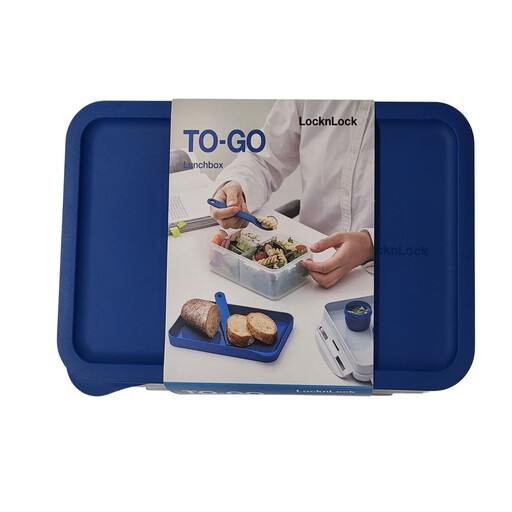
Why it stands out: This model is an all-in-one solution for a complete meal. With three removable compartments and a full cutlery set including a sauce pot, it offers maximum flexibility for daily meal prepping.
Advantages:
Who is it for? Ideal for professionals and students who want to transport a complete, multi-part meal, such as a main dish with rice and vegetables, in a single container.
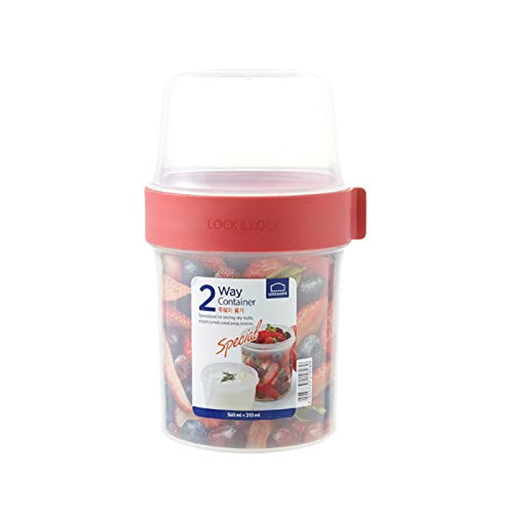
Why it stands out: This container is designed as a specialised cereal-to-go cup. The two-chamber system with a screw-on lid reliably separates dry ingredients like cereal or nuts from wet ones like yogurt or milk.
Advantages:
Who is it for? Perfect for anyone preparing a fresh breakfast or a healthy snack on the go. Especially practical for combining yogurt and cereal, salad and dressing, or snacks and dips.
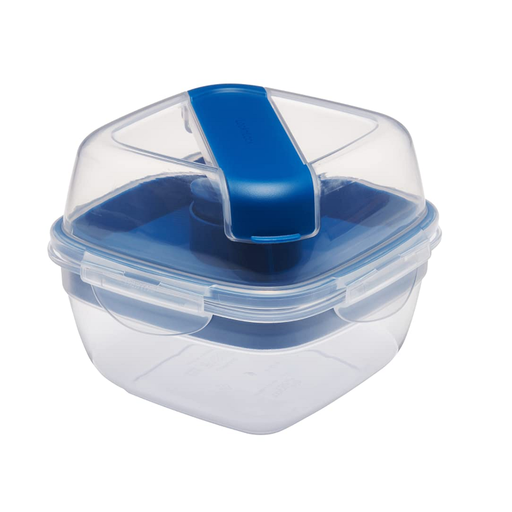
Why it stands out: This square box is thoughtfully designed as a salad-to-go container. The removable insert with three compartments keeps toppings like croutons, seeds, or vegetables separate from the lettuce, while the dressing stays fresh in its own container.
Advantages:
Who is it for? The ideal choice for salad lovers who want to ensure their meal stays crisp and fresh until it's time to eat.
The models presented cover common use cases. However, if you are looking for different sizes, shapes, or specific solutions like containers for soups, it's worth exploring other alternatives.
You can find a wider selection of functional storage solutions in our Plastic Food Containers with Screw Lids category.
1. Are plastic lunch boxes safe for food? Yes, as long as they are explicitly marked as food-safe and BPA-free. BPA (Bisphenol A) is a chemical compound found in some plastics and should be avoided. Products sold within the EU must comply with strict food safety regulations. Look for the relevant labels in the product description.
2. What does "leak-proof" mean for a lunch box? A container described as "leak-proof" or "watertight" is engineered to remain sealed even when transporting liquids like soups, sauces, or dressings. This is typically achieved through a combination of a flexible gasket (often made of silicone) in the lid and a secure locking mechanism. The four-sided locking system from LocknLock is an example of such a system.
3. Can I use a compartment lunch box in the microwave? Many modern plastic containers are microwave-safe, but there are important limitations. In most cases, the lid must be removed before heating, as steam can build up pressure. Always follow the manufacturer's instructions regarding the maximum temperature (e.g., up to 120°C) and avoid heating foods high in fat or sugar, as they can reach very high temperatures.