
Lieferung heute & morgen

Qualitätsgarantie

Willkommens-Angebote freischalten: KOSTENLOSE Lieferung | Bis zu 80 % RABATT | Kostenlose 30-Tage-JoyPlus-Testphase
App herunterladen
A compartmentalised plastic lunch box should keep food separate and transport it hygienically and securely. In practice, though, the differences often only become apparent in everyday use: dressing leaks, the lid doesn’t close properly, or the box won’t fit in your bag or fridge. Whether you’re a professional, pupil, student or parent, it’s worth looking beyond colour and capacity to compare the technical details and usage guidance.
The label leakproof lunch box doesn’t tell you much about how the box is made. What matters is a seal that runs all the way around, sturdy clips and a lid that sits evenly. If the box has removable inserts, check whether the compartments themselves are sealed or are only separated by the outer lid.
For liquid foods and salad dressings, a separate sauce pot is often more practical than pouring liquid directly into a compartment. Make sure the seal and clips are fitted correctly before carrying the box.
A BPA-free lunch box isn’t automatically suitable for heating in every way. BPA-free means that bisphenol A has been excluded, as stated in the relevant product information. Microwave suitability, on the other hand, depends on the material, the lid and the maximum permitted temperature.
According to the product information, the LocknLock models described here can be heated to 120 °C, but only without the lid. They aren’t intended for use in an oven, on a hob or over direct heat. These limitations should be part of your buying decision and shouldn’t be overlooked.
A 1-litre lunch box may be enough for a sandwich, fruit and snacks. For large salads or a full meal with sides, you may want more space. The stated capacity also refers to the total volume, not the size of each individual compartment.
So, if you’re choosing a lunch box with 3 compartments, take a look at how they’re arranged: wide compartments are ideal for sandwiches or rice dishes, while smaller sections work well for fruit, nuts and sides. A meal prep box with removable inserts is usually more flexible to pack.
Polypropylene, or PP, is used for the containers, inserts and lids of several of the lunch boxes featured here. According to LocknLock, the models mentioned are BPA-free. The seals are made from silicone. Even so, check the information for the specific model you’re considering, as the material, temperature range and care instructions can vary between products.
There are a few practical things to look for in plastic tableware and cutlery, too: the material should have little or no odour, be free from cracks and dry completely after washing. Don’t continue using the product if it becomes discoloured or warped.
A dishwasher-safe lunch box can save you time, provided all its parts are suitable for dishwasher cleaning. LocknLock says its boxes should be washed in the top rack of the dishwasher. Removable compartments and cutlery can therefore be cleaned separately.
Make sure all the parts are dry before closing the box. Food residue in the seal groove can affect how well it closes. Check the lid, seal and clips regularly for cracks, chips or significant warping.
A salad box to go with a separate sauce pot is particularly useful for salads, toppings and dressing. For camping and picnics, an additional tableware or cutlery set may come in handy.

Why it suits this profile: This compact 950 ml box comes with a removable three-compartment insert, cutlery and a sauce pot. It’s a practical choice for your daily commute, school or short trips out.
The product information specifies a BPA-free PP construction, a four-sided locking system and a silicone seal. According to the product details, it can only be used in the microwave without the lid and up to 120 °C.
950 ml capacity, three separate compartments, included cutlery and sauce pot; according to the product information, it’s dishwasher-safe, freezer-safe and microwave-safe.
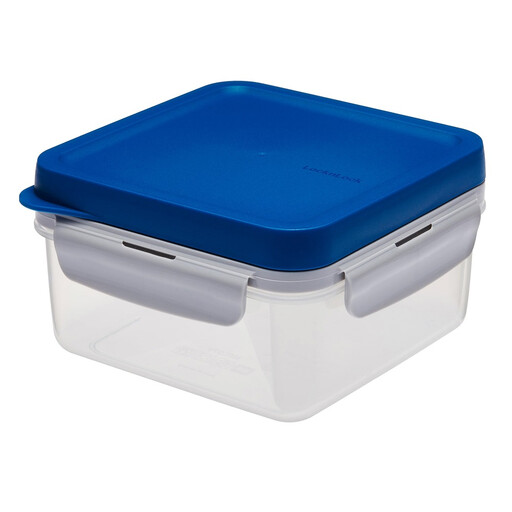
Why it suits this profile: With a larger capacity of 1,200 ml, there’s room for a main meal and several sides. Three removable compartments, cutlery and a sauce pot make it well suited to organised meal prep.
The product information specifies separate, removable inserts and a four-sided locking system. Remove the lid completely before heating; the box isn’t intended for use in an oven.
1.2 l total capacity, PP container with a silicone seal, and an included knife, fork, spoon and sauce pot; according to the product information, it’s suitable for the freezer and dishwasher.
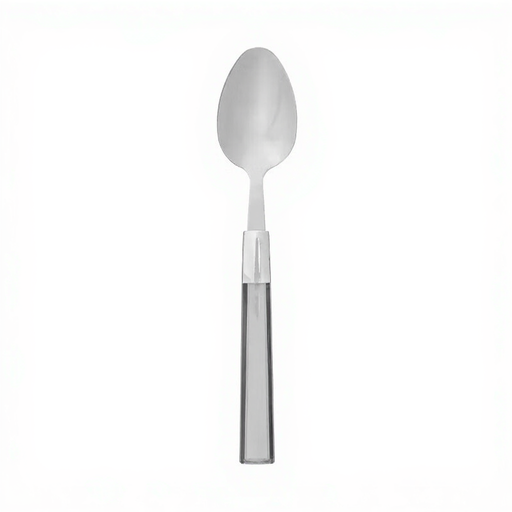
Why it suits this profile: According to the product description, this set is designed for professional use and public venues. It can complement lunch boxes, camping and picnic tableware, or larger dining setups.
The product information clearly states the number of pieces and the intended professional use. This makes it easier to plan for several people or regular events.
24-piece set in grey plastic, product weight of 780 g and pack sizes for commercial use, according to the product information.
We’ve put together a complete, regularly updated list of products that meet these strict selection criteria and fully comply with the safety regulations in force in the EU.
It depends on the model. According to the product information, the LocknLock boxes mentioned here can be used in the microwave up to 120 °C, but only without the lid. Always follow the information on the packaging and product page.
There’s no one-size-fits-all answer. It depends on how often you use it, the dishwasher temperature, how often it’s dropped and how well you care for the seal. Check the clips and silicone ring regularly. If you spot any damage, replace them or replace the box.
For smaller meals and snacks, 700 to 950 ml is often enough. A 1,000 ml lunch box with 3 compartments gives you more room for a main meal and sides. If you need to carry larger portions or several components, choose a 1,200 ml model. The actual compartment sizes and the dimensions of your bag are still important.