
Lieferung heute & morgen

Qualitätsgarantie

Willkommens-Angebote freischalten: KOSTENLOSE Lieferung | Bis zu 80 % RABATT | Kostenlose 30-Tage-JoyPlus-Testphase
App herunterladen
Compostable disposable plates can be practical for garden parties, children’s birthdays, barbecues and day trips. However, not every product described as “eco-friendly”, “biodegradable” or “sugarcane” automatically meets the same standards. Materials, sizes, sturdiness and disposal instructions can vary considerably.
The following recommendations from the Joybuy Product Recommendation Officer can help you assess marketing claims and select suitable products for different occasions.
Biodegradable means that a material can break down under certain conditions. Compostable, on the other hand, refers to requirements for decomposition under defined industrial or home-composting conditions. The key question is therefore what information is actually stated on the product page or packaging.
When buying sugarcane fibre, bagasse or other plant-fibre products, check the following:
Disposal rules in Germany vary by region. Used disposable tableware may be contaminated with food residue and is therefore not accepted in organic waste bins everywhere.
A pack of 50 plates may seem attractive at first glance. For a small household or a picnic with only a few people, however, a 20-piece pack may be the more practical option. Plate size should also match the intended use: a 23 cm disposable plate is better suited to main courses, while a 15 cm plate is intended for cake, snacks or side dishes.
A plate that can hold hot food is not automatically suitable for microwave use. Likewise, a coating designed to resist grease or moisture says nothing about whether the product can be safely heated. For soups, stews and dishes with sauces, the shape, rim height and leak protection are particularly important.
Sugarcane plates and bagasse plates are made from fibres left over from sugarcane processing. They are often marketed as a sturdier alternative to thin paper plates. Their actual strength, however, depends on material thickness, shape and the pressing process used.
With biodegradable paper plates, pay close attention to the coating. A plastic or wax layer can affect both disposal and compostability. The word “paper” alone is therefore not proof that disposable tableware is a sustainable choice.
The following general guidelines can help when planning an event:
For liquid foods, a bowl with a raised rim is more practical than a flat plate. At catered events and larger gatherings, compartmented plates can help keep different foods separate.
Look for specific product claims such as “leakproof”, “oil-resistant” or “heat-resistant”. These features are especially relevant for grilled food, sauces and hot side dishes. With disposable products, it is also important to know whether the plate is intended for single use only and how it should be disposed of after the meal.
If you want to minimise the use of disposable materials, a ceramic plate set can be used for everyday meals, while compostable options can be reserved for outdoor occasions. A stainless steel straw set is a useful addition to reusable drinkware for the garden, balcony or picnic.
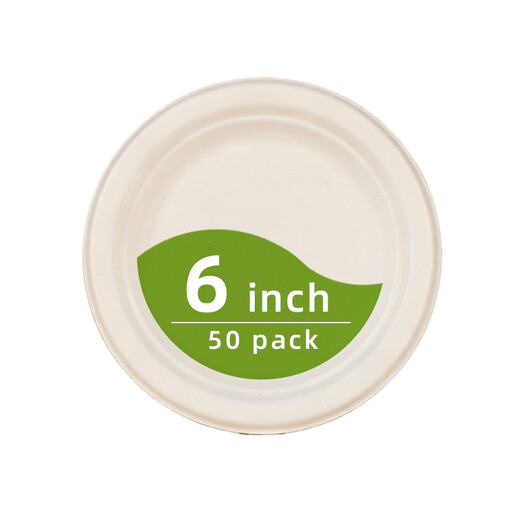
Why it is a good fit: The compact size is ideal for desserts, snacks and side dishes at birthday parties, picnics or shorter get-togethers with several guests.
The 50-piece pack makes it easier to plan quantities. With a 15 cm diameter, it also avoids using unnecessarily large plates for small portions.
50 plates per pack; according to the product description, made from sugarcane and intended for desserts and parties.
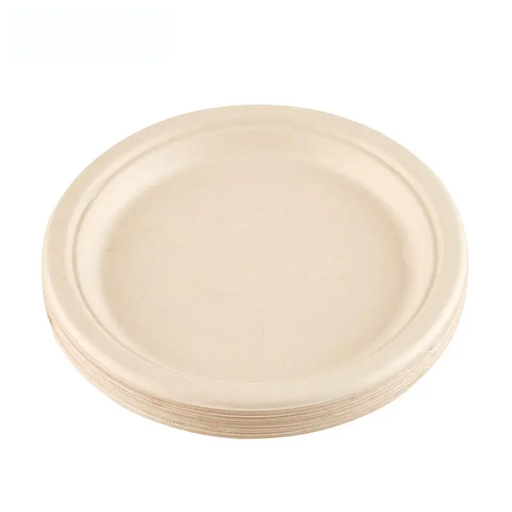
Why it is a good fit: Suitable for households seeking a medium-sized pack and reliable performance with hot and moist foods at smaller gatherings.
The product description states that the plates are water- and oil-resistant and microwave-safe. Nevertheless, check the instructions on the packaging supplied before heating.
Sugarcane fibre; 22.5 cm diameter; described as biodegradable and microwave-safe.
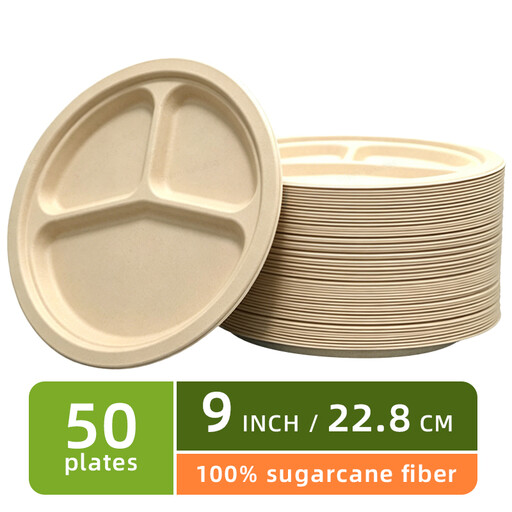
Why it is a good fit: The size and three compartments make these plates suitable for main courses, grilled food and side dishes at larger gatherings.
The compartments help prevent sauces and side dishes from mixing. Before serving very liquid foods, verify the stated oil resistance against the manufacturer’s specifications.
50 plates; 23 cm diameter; sugarcane material; three separate sections according to the product name.
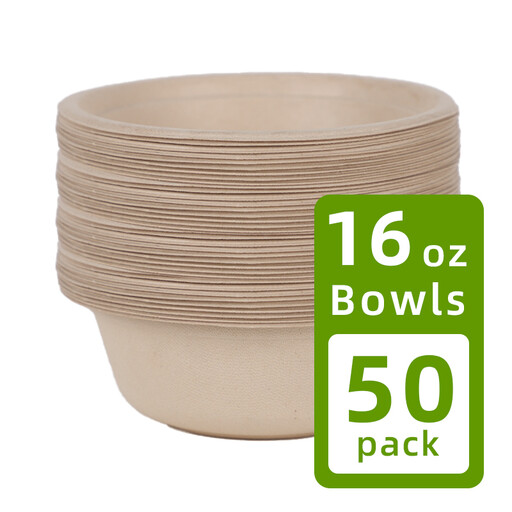
Why it is a good fit: The bowl shape is designed for soups, salads, pasta and side dishes at outdoor meals, barbecues and gatherings.
The 500 ml capacity and raised rim are more practical for liquid foods than a flat plate. The advertised leakproof design does not replace checking the recommended fill level.
50 bowls; 500 ml; described as made from sugarcane, leakproof and heat-insulating.
For regular meals at home, the YumiPLUS 3-Piece Ceramic Plate Set—including three glazed ceramic plates—can provide a reusable alternative. Each plate has a diameter of 20.32 cm and is described as microwave- and dishwasher-safe. The plates are not intended for use in the oven or on the hob.
For drinks at picnics and garden parties, the Huacan 9-Piece Stainless Steel Straw Set is a practical option. A set like this can replace disposable straws. Before buying, check the contents, cleaning brush and care instructions.
We have put together a current selection of products that take these criteria for material, size and intended use into account.
Many sugarcane and bagasse plates are marketed for use with hot foods. Their actual suitability depends on the specific product. Always check the temperature guidance, material information and warnings. For very hot liquids, use a bowl designed specifically for that purpose.
Only if the manufacturer explicitly states that they are microwave-safe. The Ochama product description specifies microwave suitability. Other paper or sugarcane plates may not be suitable. Products containing metallic elements, unknown coatings or no clear labelling must not be placed in the microwave.
Local regulations are decisive. Even when a product is described as compostable or biodegradable, it cannot automatically be placed in every organic waste bin. Check with your local waste disposal provider and remove any substantial food residue where required. Anyone looking to reduce waste over the long term can use compostable disposable plates for events while choosing reusable tableware for everyday meals.