
Lieferung heute & morgen

Qualitätsgarantie

Willkommens-Angebote freischalten: KOSTENLOSE Lieferung | Bis zu 80 % RABATT | Kostenlose 30-Tage-JoyPlus-Testphase
App herunterladen
A concealer can help target dark circles, redness, pigmentation and blemishes. The choice is extensive, though: liquid concealers, stick formulas, concealer serums and compact palettes vary considerably in coverage, finish and application. If you buy based only on colour or marketing claims, you may not end up with a product that suits your skin type and needs.
A full-coverage concealer usually contains a high concentration of colour pigments and can cover discolouration effectively. But under the eyes, a very full-coverage formula that dries quickly may be more noticeable in fine lines. So the highest coverage isn’t always the best choice for dark circles. It can be useful, however, for individual blemishes or more pronounced redness.
Terms such as ‘long-wearing concealer’ or claims of up to 16 or 24 hours describe how the product is marketed or the manufacturer’s stated wear time. How long it actually lasts also depends on your skin type, skincare, foundation, powder and surroundings. A waterproof concealer may be an advantage in damp conditions, but it may not feel equally comfortable on every skin type.
The skin on the back of your hand is often different from the skin on your face and under your eyes. When choosing a concealer for dark circles, consider your undertone: cool, neutral or warm. A shade that’s too light can look grey or ashy, while one that’s too dark can emphasise discolouration. For blemishes, a shade as close as possible to your foundation is often a good match.
Build coverage in thin layers. This can help prevent the product from looking heavy or uneven.
A matte concealer can help create a less shiny look on combination and oily skin. Some formulas contain ingredients such as kaolin or silica, which product descriptions may associate with oil or shine control. If you have dry skin, hydrating skincare and a natural finish may feel more comfortable. That doesn’t mean a particular finish is unsuitable for every skin type: preparation and how much you apply still matter.
For covering blemishes, choose a shade that matches the surrounding skin as closely as possible. A slightly lighter shade is often used to brighten the under-eye area. The key is to avoid a colour that looks noticeably different from your neck or face.
If you’re comparing concealers in different shades, look out for:
If you have sensitive skin, check the full INCI list. Fragrance, preservatives or certain plant extracts may be relevant for you. If you have known sensitivities, check the packaging and test the product on a small area first. Cosmetics are for external use only; stop using the product if irritation occurs.
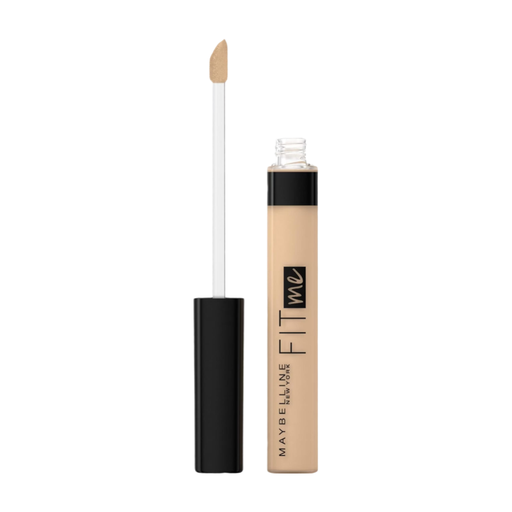
Why this product suits this profile: According to the product description, its liquid formula offers buildable medium coverage, an oil-free finish and a built-in applicator for controlled application.
Its buildable medium coverage reduces the risk of applying too much product to cover mild redness or dark circles.
Liquid formula, oil-free product description and several shades in the range.
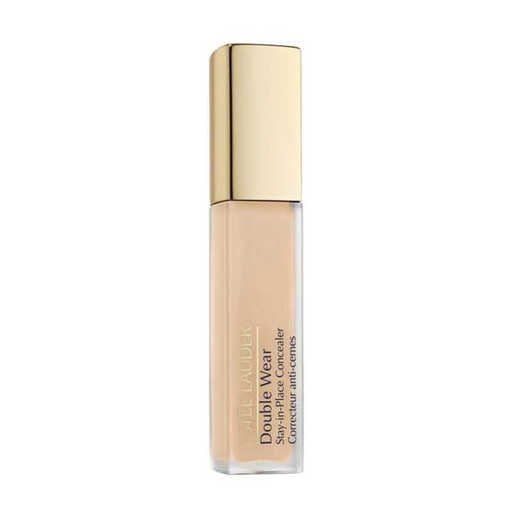
Why this product suits this profile: The product details state that it offers buildable medium-to-full coverage, up to 24 hours’ wear and a specially shaped applicator.
The buildable coverage and precise applicator sides make it easy to apply just the right amount, rather than a heavy layer all over.
12 ml, shade 2N and an applicator with different contact surfaces for small and larger areas.
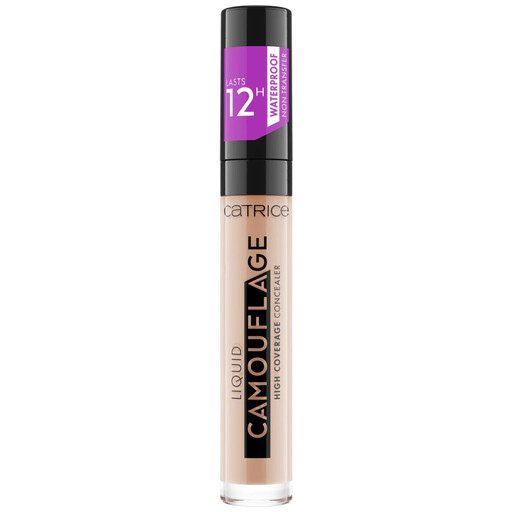
Why this product suits this profile: The product description highlights high coverage, buildable application and a waterproof formula for covering different areas.
The buildable texture lets you start by applying it to specific areas, rather than putting on a full-coverage layer every time.
Waterproof positioning, high coverage and suitability for dark circles, pigmentation and blemishes, according to the product description.
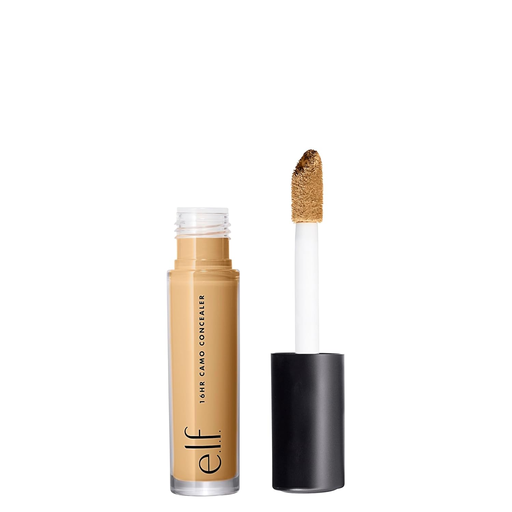
Why this product suits this profile: This liquid concealer is described as offering full, buildable coverage, a matte finish and a vegan formula.
The large doe-foot applicator can make it easier to dispense the product evenly; for the under-eye area, though, it’s still best to use a small amount.
6 ml, matte finish, buildable coverage and 100% vegan according to the product details.
Avoid applying cosmetics to actively irritated skin, open areas or any skin showing an unusual reaction. The specific period after opening, as well as the best-before or batch date, is shown on the packaging.
We’ve put together a complete, regularly updated list of products that meet these strict selection criteria and fully comply with the safety regulations in force in the EU.
For the under-eye area, a blendable texture and a well-matched shade are key. If your skin looks dry, a natural or slightly hydrating finish may feel more comfortable. Apply very matte formulas that dry quickly sparingly, to help prevent them settling noticeably into lines.
This depends on the formula and the information on the packaging. Stop using the product if its smell, colour, texture or feel on your skin changes. Close the cap after use and avoid letting the applicator come into unnecessary contact with dirty surfaces.
Concealer for blemishes is often applied precisely to individual spots, usually with higher coverage. For the under-eye area, lighter textures, easy blending and using less product are more important. One product may work for both areas if its coverage and finish are buildable.