
Lieferung heute & morgen

Qualitätsgarantie

Willkommens-Angebote freischalten: KOSTENLOSE Lieferung | Bis zu 80 % RABATT | Kostenlose 30-Tage-JoyPlus-Testphase
App herunterladen
A concealer can target dark circles, redness, pigment spots and small blemishes with precision. However, choosing the right one is more complex than many product claims would have you believe. A shade that looks fine on your hand can appear too dark or too yellow under your eyes. High coverage may hide imperfections, but on dry skin it can settle more noticeably into fine lines.
That’s why the Joybuy Product Recommendation Officer selection focuses on clear, verifiable features: shade, undertone, coverage, finish, texture, ingredients and intended use.
A brightening concealer isn’t automatically a shade lighter than your skin. If it’s too light, dark circles can look grey. For a natural effect, your eye concealer should generally match your skin tone or be only slightly lighter. For redness and blemishes, a shade that closely matches your skin is often more discreet.
A high-coverage concealer can be useful for pigment spots or more visible redness. Under the eyes, a medium, buildable coverage is often easier to control. Too much product can settle into skin lines or create a dry finish. So it’s not just the coverage that matters, but also how much you apply.
A hydrating concealer may contain ingredients like glycerin, squalane or hyaluronic acid. This describes the formulation, but it’s no substitute for a proper skincare routine. Even a concealer with a lifting effect won’t change your skin permanently. Such terms usually refer to a visually smoother or brighter appearance while you’re wearing it.
Look for two separate pieces of information:
Cool undertones often appear rosy, while warm undertones lean golden or olive. Neutral undertones sit in between. When a concealer comes in multiple shades, check the manufacturer’s colour code – for example, C for cool, N for neutral or W for warm.
For dark circles, a slightly lighter shade can work well. For a concealer for blemishes, the shade should match the surrounding skin as closely as possible.
A liquid concealer can usually be applied thinly and works well for the eye area and larger zones. Creamy textures can feel more comfortable on dry skin. A stick offers precise application on individual spots, but doesn’t automatically mean higher coverage.
The finish should suit your skin type:
For mature skin, a thin layer with carefully blended edges is recommended. A concealer for sensitive skin should be checked against the full INCI list. “Dermatologically tested” or “fragrance-free” are product-specific claims, not a guarantee of individual tolerance.
A long-lasting concealer can be practical for workdays, travel or events. However, water-resistant, sweat-resistant and transfer-resistant are different product properties. Always check the manufacturer’s specific claim.
A concealer with SPF can supplement your daily sun protection. The amount of concealer you apply is usually not enough to replace the full protection of a separate sunscreen. If you have sensitive skin or known allergies, read the product information carefully and, if in doubt, do a small patch test first.
The ingredient list can change. Always refer to the information on the packaging.
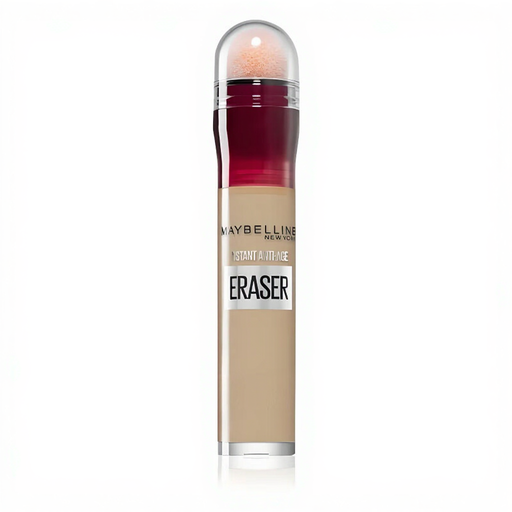
Why this product fits the profile: The liquid texture and built-in sponge applicator make it easy to get started and allow for targeted application under the eyes.
The coverage can be built up gradually, so you don’t have to apply a very thick layer straight away.
6 ml content, liquid consistency and applicator for precise use.
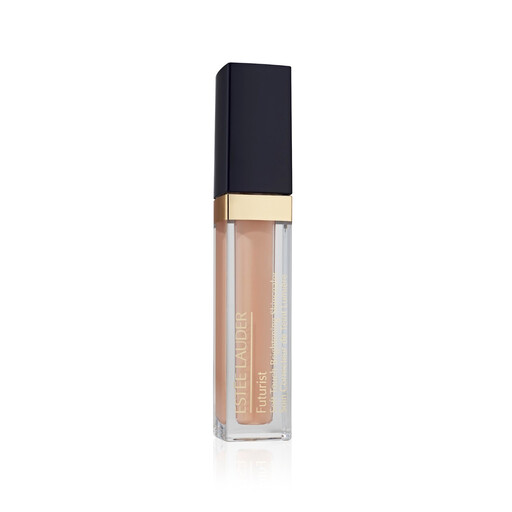
Why this product fits the profile: Shade 1C is designed for fair skin with a cool undertone. The medium-to-high coverage and radiant finish appeal to shoppers who want to combine several criteria.
The stated colour coding helps you choose by undertone rather than by lightness alone.
6 ml content, liquid texture and, according to the product information, a long-lasting, radiant finish.
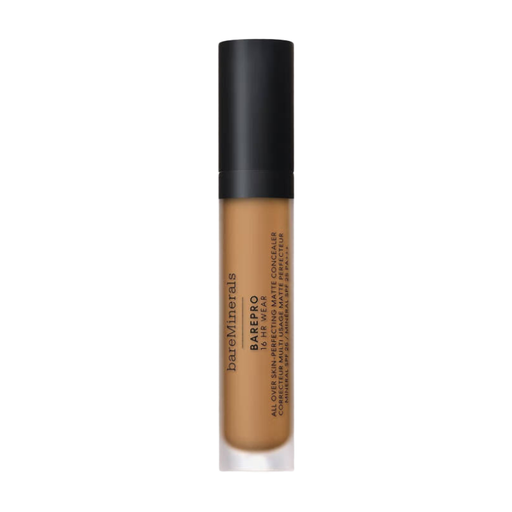
Why this product fits the profile: This liquid corrector is intended for both face and eyes and, according to the product information, offers full coverage, SPF 25 and a matte texture.
The details on SPF 25, up to 16 hours of wear and sweat resistance make the choice for long use more transparent.
7.5 ml content, SPF 25, matte finish and claims of transfer and sweat resistance.
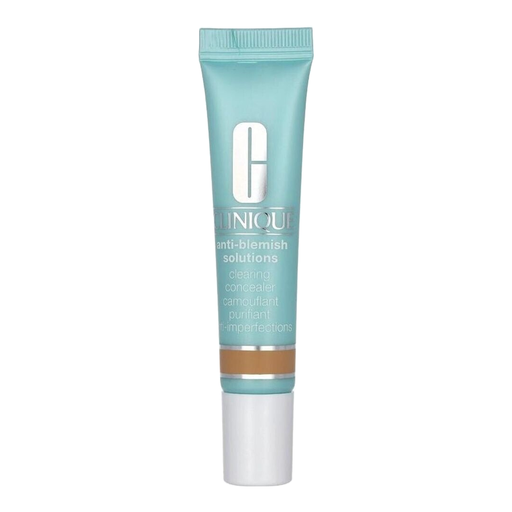
Why this product fits the profile: The oil-free, fragrance-free formula with matte coverage is designed, according to the product information, for redness and blemishes.
The stated matte finish clearly distinguishes this product from radiant eye concealers, making it easier to choose based on the area of use.
10 ml content, oil-free formula and matte, long-lasting coverage according to the product description.
When using a stick concealer for blemishes, try not to apply the applicator directly over inflamed spots if it could transfer product residue. A clean brush or washed tool gives you better control for targeted application.
We’ve put together a full, regularly updated list of products that fully meet these strict selection criteria and the safety regulations in force in the EU.
For a natural look, the concealer should generally match your skin tone or be only slightly lighter. For bluish or violet shadows, a warm undertone can be more balancing; for redness, a neutral or matching skin tone is often more discreet. Try to test the colour in natural daylight.
Follow the PAO symbol on the packaging – for example, “12M” means twelve months after opening. Smell, consistency and colour can also give you clues. If you notice any changes or skin irritation, stop using the product.
That depends on your individual tolerance and the formulation. Check the current INCI list, choose fragrance-free products if needed, and test a small amount on an inconspicuous area of skin first. If irritation persists, stop using it.