
Lieferung heute & morgen

Qualitätsgarantie

Willkommens-Angebote freischalten: KOSTENLOSE Lieferung | Bis zu 80 % RABATT | Kostenlose 30-Tage-JoyPlus-Testphase
App herunterladen
A good concealer can visibly even out your complexion, make dark circles disappear, and create a fresher, more radiant appearance. However, the market is overwhelming, and many products don't deliver on their promises. The wrong textures, mismatched shades, or exaggerated marketing claims often lead to disappointment and unnecessary spending.
As your Joybuy Product Recommendation Officer, I'm here to help you identify the key features and make an informed decision. This guide will show you what to look for to find the perfect concealer for your needs.
Before we dive into the solutions, it's important to understand the typical problems that can lead to a bad purchase.
To avoid these pitfalls, focus on three objective criteria. These will help you realistically assess a concealer's performance.
The texture is crucial for the final result. Each formula has its specific use cases:
Modern concealers are often more than just cover-up products. A look at the ingredients reveals whether the product also has skincare properties.
The right colour is essential for a natural-looking result.
Here are some product recommendations tailored to different needs and use cases.
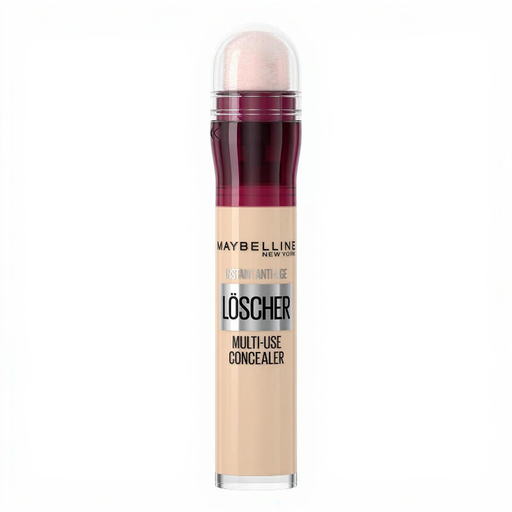
Why This Fits Their Persona: A proven and accessible option for daily use. The integrated sponge applicator makes application hassle-free, ideal for beginners or for a quick touch-up on the go.
The lightweight, easily blendable formula avoids the pitfall of a mask-like effect (Pitfall 3). It offers medium coverage that looks natural and doesn't feel heavy on the skin.
Multi-purpose use for concealing, correcting, and brightening. According to the manufacturer, the formula is enriched with Goji Berry and Haloxyl to help reduce puffiness.
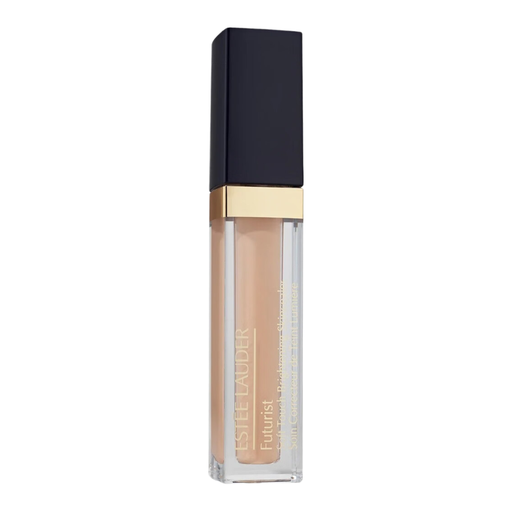
Why This Fits Their Persona: This product combines makeup with skincare, making it ideal for users who want to not only conceal but also nourish their skin. It targets users with dry or mature skin who value hydrating and brightening properties.
The serum-like, hydrating formula counteracts settling into fine lines (Pitfall 1). It provides moisture instead of drawing it out, ensuring a radiant, smooth finish.
According to the manufacturer, it contains a Vitamin C complex for brightening and hyaluronic acid for hydration. It offers medium-to-full coverage with a radiant finish.
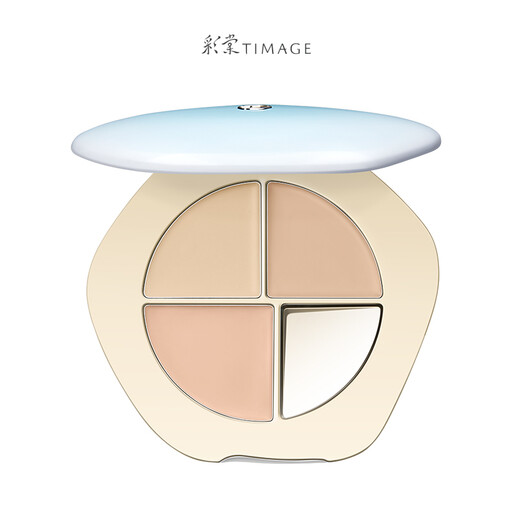
Why This Fits Their Persona: This palette is designed for users who need precise, high coverage for various problem areas like dark circles, acne scars, or redness. The different shades allow for customisation and colour correction.
The palette contains two different textures—a creamy, soft one for the under-eye area and a firmer one for blemishes. This directly addresses the pitfall of using the wrong texture for the application area (Pitfall 1).
Three shades that can be used individually or mixed to achieve customised coverage. The high pigment density provides coverage without a thick layer.
We have compiled a complete, up-to-date list of products that fully meet these strict selection criteria and all applicable regulations.
1. How do I apply concealer to prevent it from creasing?
Good preparation is key. First, apply a light, hydrating eye cream and let it absorb for a moment. Use only a small amount of concealer and gently pat it in with your ring finger or a damp makeup sponge, rather than rubbing. To set it, you can use a minimal amount of translucent powder.
2. What concealer shade is best for dark circles?
It depends on the colour of your dark circles. For bluish-purple shadows, a color corrector with a peach or salmon tone helps to neutralise the discolouration. This should be applied before the actual concealer. The concealer itself should then match your skin tone or be no more than one shade lighter.
3. Can you use concealer without foundation?
Yes, this is ideal for a very natural look. The important thing here is that the concealer shade perfectly matches your skin tone. Apply the product only to the specific spots you want to cover (e.g., under the eyes, around the nose, or on individual blemishes) and carefully blend out the edges so that no transitions are visible.