
Lieferung heute & morgen

Qualitätsgarantie

Willkommens-Angebote freischalten: KOSTENLOSE Lieferung | Bis zu 80 % RABATT | Kostenlose 30-Tage-JoyPlus-Testphase
App herunterladen
A conditioner should make hair easier to comb and leave it feeling smoother after cleansing. However, not every care product delivers the desired result. Some formulas weigh down fine hair, while others contain fragrances or silicones that may be relevant for sensitive users or specific haircare routines. Larger bottles are not automatically more economical either if the texture is not right for your hair.
This buying guide helps you assess conditioners by hair type, ingredients, application and product size. The selection includes products for dry, damaged, colour-treated, curly and long hair, among others.
Terms such as “repairing conditioner” or “strengthening” generally refer to the conditioning and appearance of the hair fibre in cosmetics. A conditioner can smooth the surface and improve manageability. However, split ends or structurally damaged hair cannot be permanently turned back into healthy hair as a result.
Therefore, look for clear information about conditioning ingredients, such as glycerine, panthenol, oils, proteins or cationic conditioning agents. A long list of active ingredients alone is not proof of a particular effect.
A rich, moisturising conditioner may be suitable for dry or frizzy hair. However, the same formula can leave fine hair looking flat or greasy. Light textures and careful dosing are advisable for hair that is easily weighed down.
If you are looking for a silicone-free conditioner, check the INCI list. Silicones can be identified, for example, by names such as Dimethicone or Amodimethicone. They are not inherently problematic, but they may be undesirable depending on your haircare routine. Fragrances and preservatives should also be taken into account if your scalp reacts sensitively to certain ingredients.
First, identify your main concern:
Conditioning ingredients such as Cetearyl Alcohol, Behentrimonium Chloride and Panthenol are found in many hair conditioners and support a smooth application. Oils such as argan, coconut, jojoba or avocado oil can complement formulas for dry hair. Proteins and amino acids are often used in products for damaged hair.
If you specifically want to avoid silicones, the Maui Moisture Nourish & Moisture Coconut Milk Conditioner, for example, has a silicone-free formula according to the product information. Ingredients may change, so always check the packaging before buying.
A 70-ml bottle is suitable for trying a product or taking it travelling, while sizes from 385 to 970 ml may be of interest for regular use and households with several people. Larger containers are only worthwhile if the product suits your hair and is used within the recommended period.
For rinse-out products, the usual guidance is to apply them after shampooing to the mid-lengths and ends, leave them on briefly and rinse thoroughly. With a conventional hair conditioner, you do not normally need to cover the scalp with the product. A leave-in conditioner, on the other hand, remains in the hair and is applied sparingly to towel-dried or dry hair.
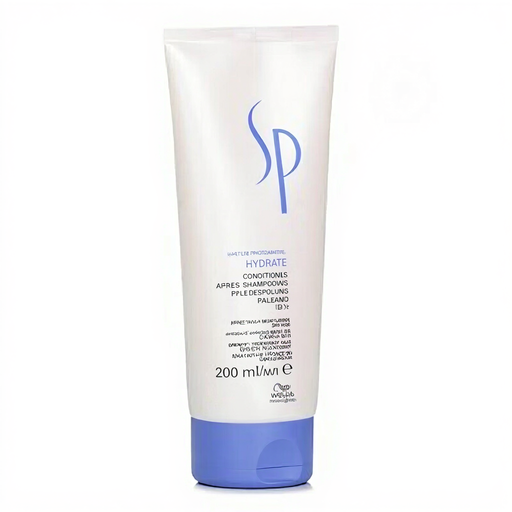
Why this product suits this profile: The 200-ml size and short leave-on time of 30 seconds are ideal for a straightforward haircare routine. According to the product description, the conditioner is intended for dry, damaged and colour-treated hair.
The application instructions are clear and do not require a long leave-on time. This makes it easier to control the amount used in everyday life.
Panthenol and Behentrimonium Chloride are listed among the ingredients, and the product is intended for use on the lengths and ends.
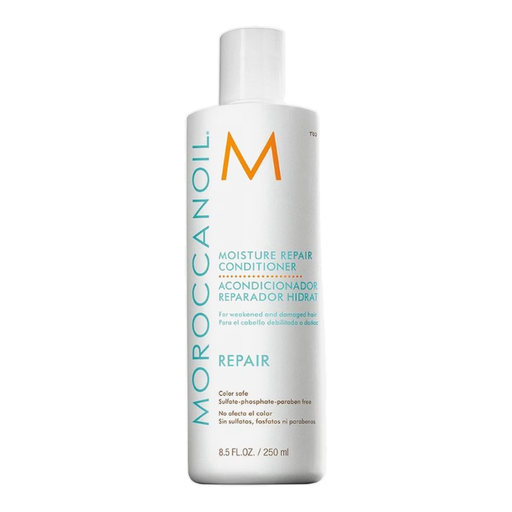
Why this product suits this profile: The product description is aimed at fine, thick, damaged, colour-treated or limp hair. Argan oil, hydrolysed keratin, amino acids and plant oils are listed as ingredients.
Its suitability for several hair thicknesses is clearly described. The product information also specifies a leave-on time of 1–2 minutes rather than making vague claims about instant results.
250 ml of product, conditioning ingredients such as Panthenol and Sodium PCA, and application from the lengths through to the ends.
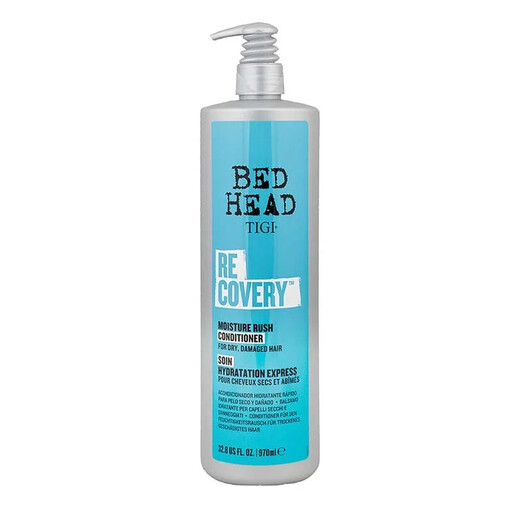
Why this product suits this profile: The 970-ml container is designed for households or people who use conditioner regularly. The recommended leave-on time is 3–5 minutes.
The large volume is paired with specific usage instructions. Before buying, check whether the rich conditioning formula is suitable for your hair.
970 ml of product; Glycerin, Dimethicone and Amodimethicone are included in the stated INCI list.
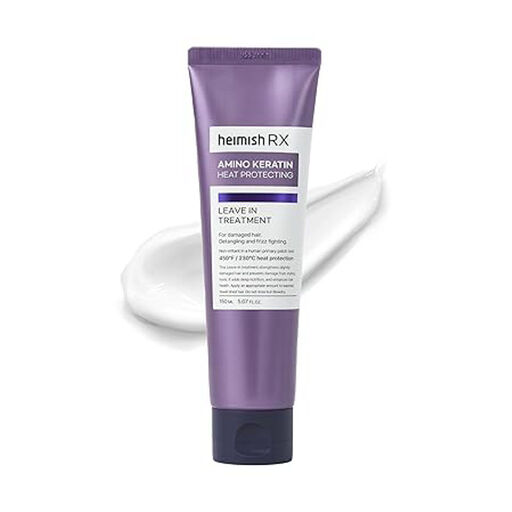
Why this product suits this profile: This leave-in product is intended for use before blow-drying or straightening. According to the product description, it provides heat protection up to 230 °C.
The application instructions and temperature rating are clearly stated. This does not replace the appropriate tool setting or comprehensive heat protection for every styling routine.
150 ml of product; keratin and a complex of 17 amino acids are listed as key ingredients. The product is not rinsed out.
We have put together a complete, regularly updated list of products that fully meet these strict selection criteria and the safety regulations applicable in the EU.
A conditioner can be used after every wash for many hair types. With fine hair, a small amount applied to the ends is often sufficient. Rich formulas for dry, curly or damaged hair can be used as needed. The key factors are how your hair feels, the amount used and the manufacturer’s instructions.
A classic conditioner is rinsed out after being left on for a short time. A leave-in conditioner remains in the hair and is distributed sparingly through the lengths and ends. It can support manageability and styling, but does not automatically replace a dedicated heat-protection product for hair.
Pay attention to the best-before date or PAO symbol on the packaging, as well as the batch information. After opening, look out for changes in smell, colour or consistency. Store conditioner in a dry, cool place away from direct sunlight.