
Lieferung heute & morgen

Qualitätsgarantie

Willkommens-Angebote freischalten: KOSTENLOSE Lieferung | Bis zu 80 % RABATT | Kostenlose 30-Tage-JoyPlus-Testphase
App herunterladen
Dry, damaged or brittle hair doesn’t automatically need an especially rich conditioner. What matters is whether a conditioner for dry and damaged hair suits your hair texture, any chemical treatments and how you want to use it. Conditioner can make hair easier to comb and change how it feels after washing, but it is no substitute for professional advice if you have persistent scalp problems or severe breakage.
Terms such as “Repair”, “Bonding” or “Intensive Care” describe how a product is positioned. On their own, they don’t tell you how the formula will work for your hair. Look for specific details such as whether it is silicone-free, the conditioning ingredients, how long to leave it on and which hair types it is suitable for.
A repairing conditioner can make the hair surface look smoother and help with combing. However, you shouldn’t expect conditioner to permanently repair hair fibres that have already broken.
Very rich formulas can weigh down fine hair. Curly, highly porous or chemically treated hair, on the other hand, often needs more conditioning and a longer leave-in time. A moisturising conditioner with glycerin, panthenol or conditioning oils may be worth considering for dry hair, but how well it suits you depends on the formula as a whole.
Silicones can make hair feel smoother and easier to comb. Silicone-free products are an option if you prefer to avoid certain ingredients or want a lighter feel. What matters is whether the other cationic conditioning agents, alcohols, oils and humectants suit your hair type.
First, work out which main category your hair falls into:
Check the full INCI list rather than relying on the front of the packaging. Cetearyl Alcohol and Cetyl Alcohol, for example, are fatty alcohols and should not be confused with drying alcohols. Behentrimonium Chloride, Cetrimonium Chloride and similar cationic ingredients are often used to make hair easier to comb.
If you have sensitive skin, pay particular attention to fragrance ingredients and essential oils. These include Limonene, Linalool and essential oils, for example. If you have a known allergy, always check the specific product packaging.
The pack size affects the price per use. 75 ml is handy for travel or trying a product out, while 400 to 540 ml may be more practical for regular use. As a rule, apply conditioner mainly to the lengths and ends. Depending on the product, the usual leave-in time is between one and five minutes, although some products are designed to be left on for longer.
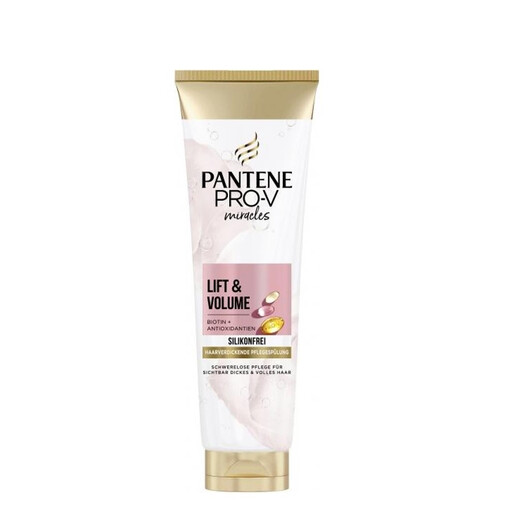
Why it suits this profile: The 160 ml size is easy to manage, and the product details state that it is suitable for daily use and has a silicone-free formula with biotin and rose water.
The product details make its focus on volume and silicone-free formula clearer than a vague “Repair” claim would.
Silicone-free formula according to the product description; designed for daily use.
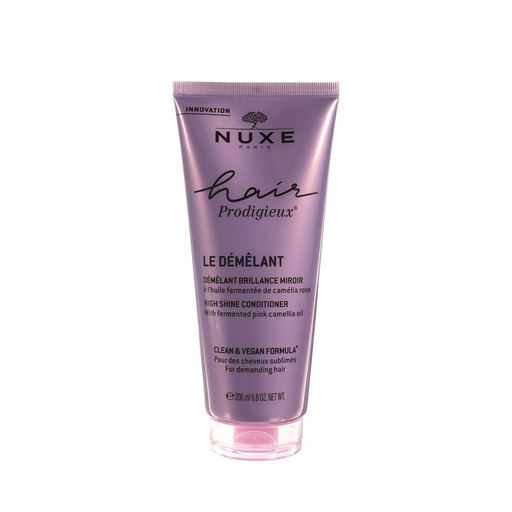
Why it suits this profile: The formula is described as containing 95 per cent ingredients of natural origin, panthenol and fermented camellia oil. It is designed for all hair types and colours.
The product details specify its ingredient profile, silicone-free formula and a leave-in time of two to three minutes.
200 ml; silicone-free formula according to the product description; suitable for all hair colours.
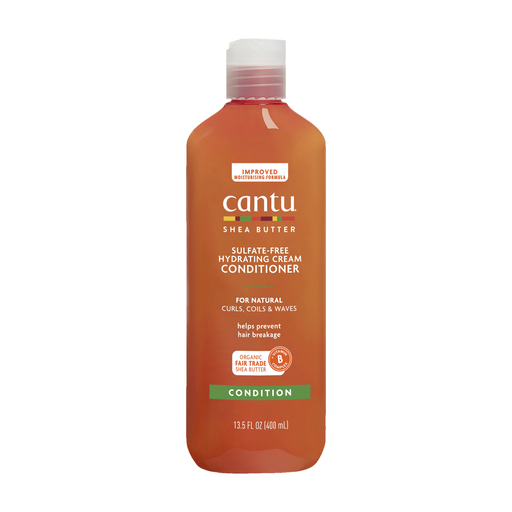
Why it suits this profile: According to the product details, the creamy formula is designed for dry, brittle, naturally textured and coloured hair.
The product description explicitly states that it is free from sulphates, silicones, mineral oils and parabens.
400 ml; shea butter and several B vitamins are listed in the stated INCI ingredients.
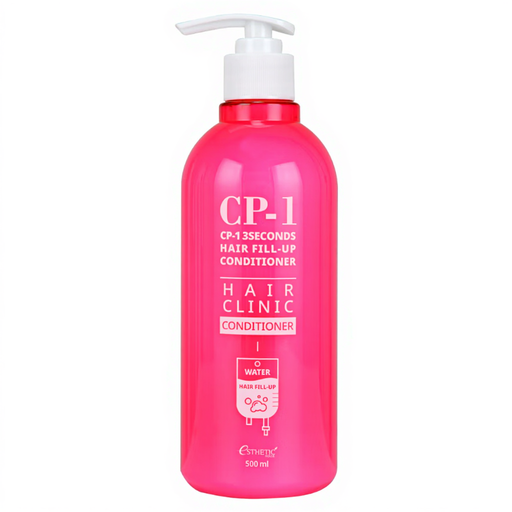
Why it suits this profile: The 500 ml size and suitability for daily use make it a good option if you regularly condition dry, damaged or chemically treated lengths.
The product details describe a lightweight formula and a short leave-in time of one to three minutes.
500 ml; according to the ingredient list, it contains glycerin, panthenol, hydrolysed keratin and dimethicone.
We’ve put together a complete, regularly updated list of products that meet these strict selection criteria and fully comply with the safety regulations in force in the EU.
If you change your hair colour, have a new chemical treatment or use heat styling frequently, it may be worth reviewing your haircare routine. Choose a vegan or silicone-free conditioner by checking the full ingredients list, rather than relying on a single label.
It depends on your hair texture, how often you wash it and how much conditioning it needs. You can use conditioner after every wash if your lengths are dry, while fine hair may need less product. Avoid the roots if they tend to get greasy quickly.
Many conditioners are designed to be left on for around one to three minutes. Products for coloured hair or intensive conditioning may recommend a longer leave-in time. Always follow the directions on the individual product packaging.
Conditioner can help make hair easier to comb and improve how it feels, but it cannot permanently reconnect hair that has already broken. If you have severe breakage, try to reduce heat styling, tight hairstyles and harsh chemical treatments as well.