
Lieferung heute & morgen

Qualitätsgarantie

Willkommens-Angebote freischalten: KOSTENLOSE Lieferung | Bis zu 80 % RABATT | Kostenlose 30-Tage-JoyPlus-Testphase
App herunterladen
Dry, stressed or damaged hair often feels rough, tangles more easily and reacts sensitively to blow-drying, straightening, colouring and friction. The right conditioner for dry and damaged hair can make mid-lengths and ends easier to comb after washing, while helping the hair surface feel smoother. However, not every product is suitable for every hair type.
Terms such as “Repair”, “Strengthening” or “Regeneration” generally refer to a cosmetic product’s visible effect and its conditioning effect on the hair’s surface. Split ends cannot be permanently joined back together. However, a repair treatment for hair can help mid-lengths and ends feel smoother and less rough.
It is therefore better to look for specific information such as application, texture, hair type and ingredients rather than relying solely on marketing claims.
A very creamy hair mask can benefit dry, thick or curly hair. On fine hair, however, it may weigh it down and cause the roots to become greasy quickly. For daily use, a lightweight conditioner for dry hair is often more practical than an intensive mask.
A pleasant fragrance says little about whether a product suits your hair structure. A large bottle is not automatically more economical either if the product weighs your hair down or is not used regularly. Check the ingredients list for Parfum, colourants and known allergens, particularly if you have a sensitive scalp.
Moisturising formulations often contain glycerin, panthenol, Sodium PCA, betaine or hyaluronate derivatives. Conditioning oils and butters, such as argan oil, sunflower oil, coconut oil or shea butter, can help mid-lengths and ends feel smoother.
Silicones such as Dimethicone or Amodimethicone form a smoothing film. This can help improve combability and support shine-enhancing hair care. If you want to avoid silicones, check the INCI list carefully. What matters is not one individual ingredient, but whether the product feels good in your own hair.
Leave-in products should be used sparingly. Start with a small amount and apply it mainly to the mid-lengths and ends.
Light lotions, water treatments or sprays are suitable for fine, dry hair. Thick, coarse or curly hair often needs more conditioning and benefits from creamy conditioners, masks or oils. On coloured hair, products containing conditioning film-formers can help the surface feel smoother. However, you should only assume that a product offers specific colour protection if this is expressly stated on the product.
For curls, hair care for curly hair that provides moisture without compromising curl definition through excessive product weight is a sensible choice. Effective anti-frizz hair care also depends on drying, combing and heat protection.
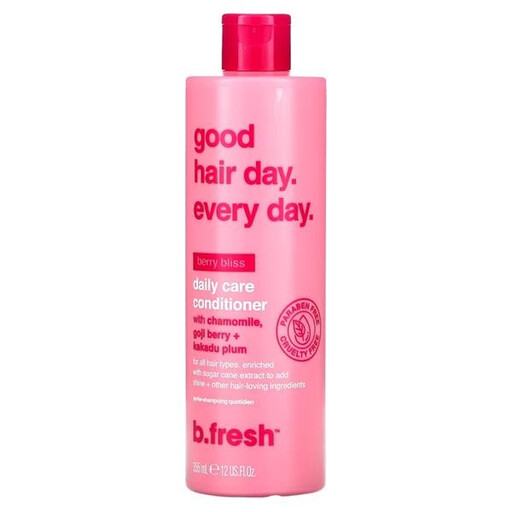
Why this product suits the profile: This creamy daily-care balm is designed for all hair types and is rinsed out after washing. With 355 ml, it is suitable for a straightforward daily hair-care routine.
The product description clearly states how to use it, its texture and its target group. The balm is rinsed out, making it less difficult to dose correctly than a leave-in product.
355 ml contents, a creamy yet lightweight balm texture, plus panthenol and glycerin in the stated ingredients list.
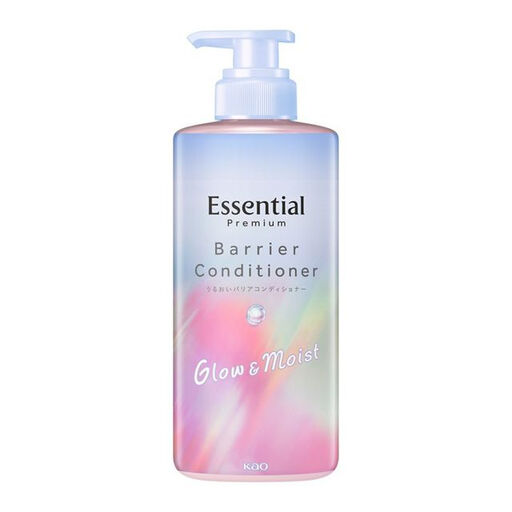
Why this product suits the profile: The product description identifies hair lacking moisture, rough hair and damaged hair as suitable use cases. It is designed to be applied to the mid-lengths and ends.
The formula is described as rich yet lightweight. This allows you to target dry areas rather than applying the product to the roots as well.
450 ml contents; according to the product description, with squalane, sunflower oil, glycerin and Aminopropyl Dimethicone.
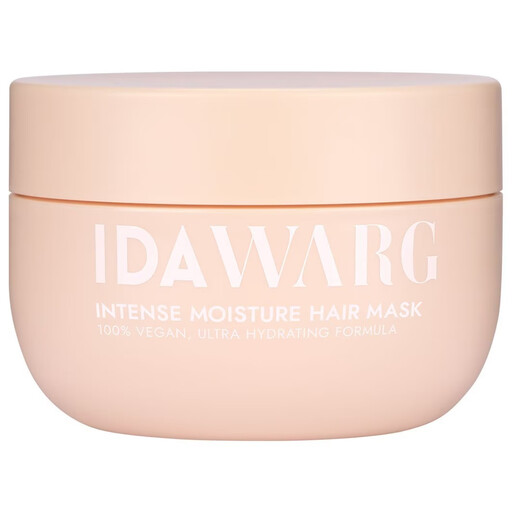
Why this product suits the profile: According to the product information, this mask is designed for dry, brittle, frizzy and curly hair and should be used once or twice a week.
The clear leave-on time of 5 to 15 minutes prevents the mask from being used like an ordinary short-contact conditioner.
300 ml contents; according to the product description, with shea butter, passion fruit oil, Sodium PCA and glycerin.
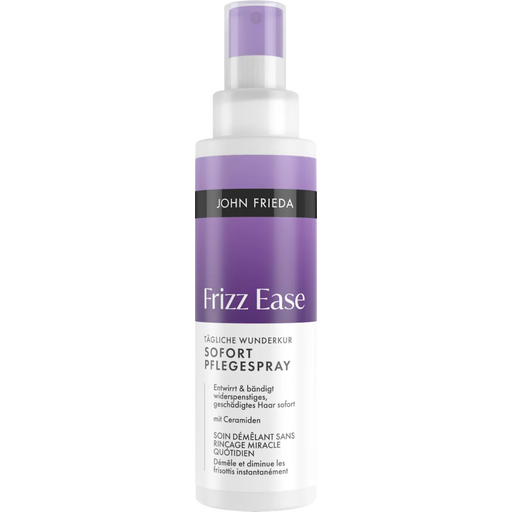
Why this product suits the profile: This spray is not rinsed out and is designed to be applied to towel-dried hair. It is suitable for anyone who wants to detangle and style their hair quickly after washing.
The product is dispensed as a spray and applied only to mid-lengths and ends. This makes it easier to adjust the amount than with a cream applied over a larger area.
200 ml contents; leave-in formula with Dimethicone, Erythritol and hydrolysed silk protein according to the stated INCI list.
We have put together a complete, regularly updated list of products that fully meet these strict selection criteria and the safety regulations applicable in the EU.
For very dry hair, combining a daily conditioner with a weekly mask can be beneficial. Leave-in hair care or hair oil can then be applied specifically to the ends. When heat styling, you should also use a product specifically labelled as offering heat protection.
A rinse-out conditioner can be used every time you wash your hair, provided it does not feel weighed down. A rich mask is usually sufficient once or twice a week. The specific recommendation on the packaging takes precedence.
A conditioner is suitable for regular care and improved combability. A hair mask is generally richer and is better suited to particularly dry, thick, curly or stressed mid-lengths and ends. Fine hair should be treated with small amounts.
The printed best-before date or the symbol indicating the period of use after opening is decisive. Keep conditioners and masks closed, cool and protected from direct sunlight. If the smell, colour or consistency changes noticeably, the product should no longer be used.