
Lieferung heute & morgen

Qualitätsgarantie

Willkommens-Angebote freischalten: KOSTENLOSE Lieferung | Bis zu 80 % RABATT | Kostenlose 30-Tage-JoyPlus-Testphase
App herunterladen
By Joybuy Product Recommendation Officer, August 28, 2026
Stressed, dry hair with split ends and breakage is a widespread problem. However, the search for an effective conditioner for damaged hair can quickly become overwhelming. The market is flooded with products that promise instant miracles. But not every formula delivers what the advertising suggests. This guide will help you separate the wheat from the chaff and make an informed decision based on your hair's actual needs.
Before investing in a new product, it's helpful to question common marketing promises. Many products lead to short-term cosmetic effects without tackling the root of the hair problem.
To find a suitable repair conditioner, it's crucial to understand how it works and its key ingredients. Focus on these three objective criteria:
Damaged hair needs both: building blocks for strength and moisture for elasticity.
A good conditioner for stressed hair offers a balanced mix of both active ingredient groups to simultaneously strengthen and soften the hair.
In recent years, technologies have emerged that work deeper than the hair's surface. The best-known is Plex technology for hair, also called "bond-repair technology."
The choice between a classic rinse-out conditioner and a leave-in conditioner depends on your hair type and care goals.
Here are some selected products tailored to different needs and hair types.
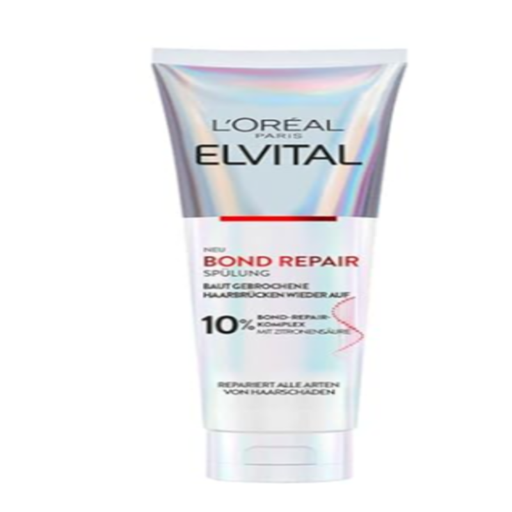
Why This Fits Their Persona: Ideal for individuals whose hair is severely stressed from colouring, bleaching, or frequent heat styling. The formula directly targets the repair of the inner hair structure.
This product sidesteps the "instant repair" promise by clearly communicating its mechanism: the "Bond Repair Complex with Citric Acid" is designed to rebuild broken hair bonds internally, aiming for a structural, not just cosmetic, improvement.
Uses a Plex-like technology to strengthen the hair fibre from within. Reduces hair breakage and improves the hair's resilience.
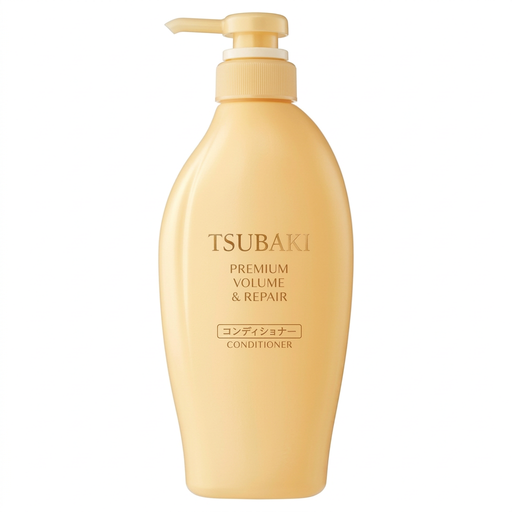
Why This Fits Their Persona: Perfect for users who appreciate intense nourishment and a silky, glossy finish. The formula is inspired by Japanese salon technology.
This product avoids the "marketing ingredient" trap. Ingredients like Camellia Seed Oil and Royal Jelly are central to the TSUBAKI product philosophy and are used in effective concentrations to deeply nourish the hair.
Utilises an innovative penetration technology to deliver conditioning ingredients deep into the hair core. Provides exceptional softness and shine without weighing the hair down.
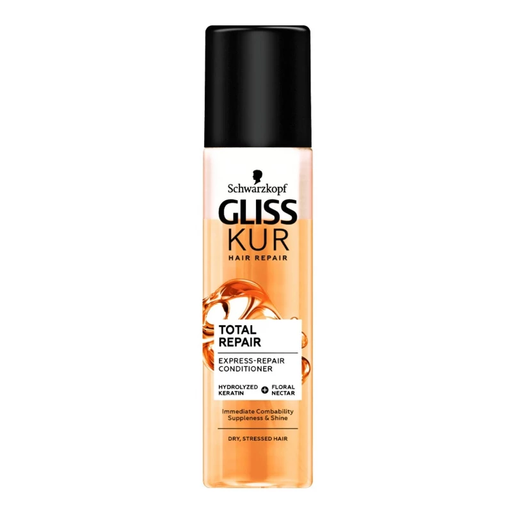
Why This Fits Their Persona: A practical solution for a hectic daily routine. This leave-in conditioner is simply sprayed on, providing instant detangling and protection without any waiting or rinsing.
The product is clearly positioned as an "Express Repair Conditioner." It doesn't promise deep healing but focuses on the practical benefit: instant combability and protection against new breakage. This sets realistic expectations.
Formula with Keratin and Floral Nectar smooths the hair surface. Ideal for use after washing or on dry hair in between washes to detangle and refresh the hair.
We've compiled a full, up-to-date list of products that fully meet these strict selection criteria and comply with current regulations.
A conditioner is designed for daily use after shampooing. Its main functions are to seal the hair cuticle, improve combability, and provide a light layer of conditioning. A hair mask for damaged hair is an intensive treatment used less frequently (e.g., once or twice a week). It typically contains a higher concentration of repairing and nourishing ingredients and requires a longer application time to penetrate deep into the hair structure.
For severely damaged hair, it is recommended to use it after every wash to continuously supply the hair with necessary nutrients and protect it from further damage. For slightly stressed hair, a repair conditioner can be alternated with a regular moisturising conditioner to avoid protein overload, which could make the hair stiff.
A conditioner cannot fuse a hair that has already broken back together. However, a high-quality conditioner against breakage can strengthen the hair structure from within, improve elasticity, and smooth the hair surface. This reduces friction and makes the hair more resilient, which significantly reduces future hair breakage. Technologies like Plex treatments can also restore internal hair bonds, which comes close to a true structural repair.