
Lieferung heute & morgen

Qualitätsgarantie

Willkommens-Angebote freischalten: KOSTENLOSE Lieferung | Bis zu 80 % RABATT | Kostenlose 30-Tage-JoyPlus-Testphase
App herunterladen
By Joybuy Product Recommendation Officer, August 29, 2026
Dry, brittle hair is more than just a cosmetic issue—it feels rough, is difficult to comb, and is prone to breakage and frizz. Yet, when searching for an effective conditioner for dry hair, consumers often face a shelf full of products making lofty promises. Not every product that claims to add moisture delivers lasting results, leading to disappointment and wasted money.
This guide will help you avoid the common pitfalls of shopping for conditioner and find one that truly meets your hair's needs. We'll focus on the crucial factors that define a high-quality formulation.
Before investing in a new product, it's helpful to understand why previous attempts may have failed. Often, the culprit is clever marketing that distracts from a product's actual weaknesses.
To make an informed decision, focus on the formulation and product type, not just the marketing claims.
Not all moisturizing ingredients are created equal. Look for a combination that addresses different needs:
The application format is just as important as the ingredients. Choose the type that fits your lifestyle and hair condition.
Pay attention to the ingredient list. Certain alcohols in high concentrations (e.g., Alcohol Denat., Isopropyl Alcohol) can further dry out the hair. While they may serve as preservatives or solvents in small amounts, they should not appear near the top of the list.
Here are some recommendations tailored to different needs and budgets.
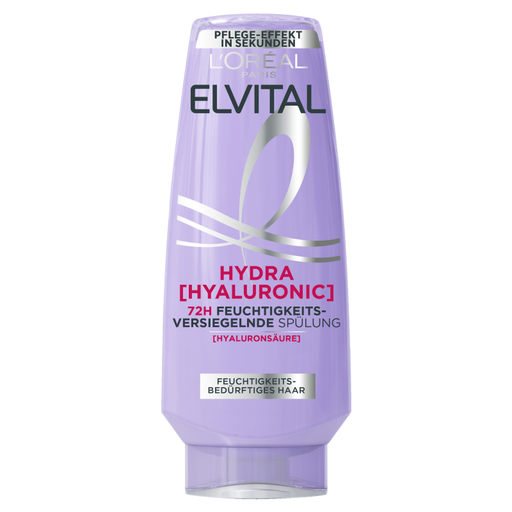
Why This Fits Their Persona: Ideal for those seeking an effective and affordable solution for dehydrated hair. The formula relies on the well-known active ingredient, hyaluronic acid, to specifically improve moisture balance without weighing the hair down.
Instead of vague promises, the product focuses on a clear mechanism: moisture retention through hyaluronic acid. It doesn't promise miracles, but rather targeted action against dehydration.
According to the manufacturer, moisture is sealed in the hair for 72 hours. The result is noticeably detangled and shiny hair with more bounce.
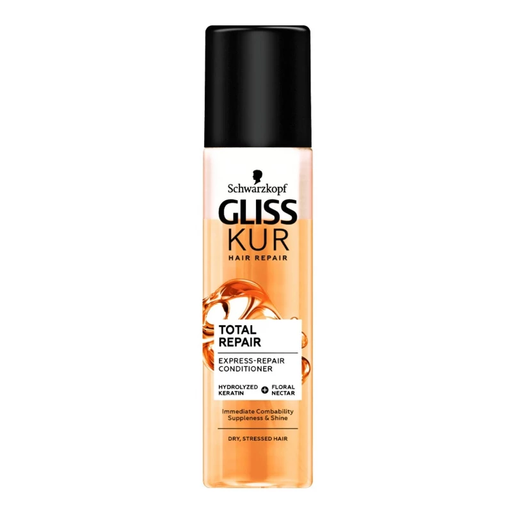
Why This Fits Their Persona: Perfect for individuals who need a quick and hassle-free care solution for in-between washes. As a leave-in conditioner, it instantly improves combability and reduces frizz without needing to be rinsed out.
This product doesn't promise deep restructuring but an immediate, surface-level improvement. It is honest in its purpose as a quick "express repair" for better manageability.
The formula with keratin and flower nectar smooths the hair surface and provides instant detangling. Ideal for use on towel-dried or dry hair.
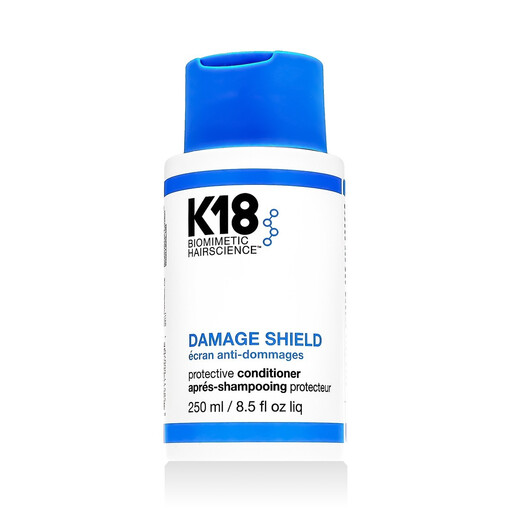
Why This Fits Their Persona: For users who are willing to invest in an advanced treatment to not only condition their hair but also actively protect it from future damage caused by styling and environmental factors.
This product goes beyond simple moisturization. Its focus on "Damage Shield" is a specific, technology-based promise aimed at preventative care and strengthening.
The formula is designed to nourish the hair while building a protective barrier. It is suitable for all hair types, especially damaged and stressed hair.
We have compiled a complete, up-to-date list of products that fully meet these strict selection criteria and comply with current safety regulations.
1. How often should you use a conditioner for dry hair? For optimal results, it is recommended to use a rinse-out conditioner after every wash. A moisturizing conditioner helps to reseal the hair cuticle, which is opened by shampooing, and improves combability. An intensive treatment or hair mask can also be used once or twice a week.
2. Does a silicone-free conditioner really make hair healthier? Not necessarily. A silicone-free conditioner can be a good choice if you are prone to product build-up. However, the crucial factor is what ingredients are used to replace the silicones. A good formulation, with or without silicones, should contain nourishing and moisturizing ingredients that don't weigh the hair down.
3. What is the difference between a conditioner and a hair mask? A conditioner is designed for regular use to detangle, smooth, and apply a light conditioning layer to the hair after washing. A hair mask (or treatment) is a reparative conditioner with a higher concentration of nourishing ingredients. It requires a longer application time and is intended for intensive, weekly treatment of specific issues like severe dryness or hair damage.