
Lieferung heute & morgen

Qualitätsgarantie

Willkommens-Angebote freischalten: KOSTENLOSE Lieferung | Bis zu 80 % RABATT | Kostenlose 30-Tage-JoyPlus-Testphase
App herunterladen
Dry, damaged or colour-treated hair does not automatically need the richest conditioner. A formula that is too heavy can leave fine hair looking flat, while care that is too lightweight may not make frizzy or chemically treated hair easy enough to comb. That is why our selection by the Joybuy Product Recommendation Officer focuses on clear product features rather than sweeping marketing claims.
A hair repair conditioner can smooth the hair surface, improve manageability and make dry-looking lengths appear better cared for. However, it cannot permanently rejoin split ends once they have formed. Terms such as “Repair”, “Bond” or “Strengthening” should therefore be understood as indications of the product’s care focus, not as a guarantee of structural restoration.
Argan oil, keratin, hyaluronic acid and ceramides can all be interesting ingredients. However, the full INCI list on the packaging is what matters. For example, a conditioner with argan oil may also contain silicones, fragrance or preservatives. This is not necessarily a problem, but it should match your personal requirements.
If you have a sensitive scalp or a known intolerance, pay particular attention to fragrance and certain preservatives. Formulas can change, so the ingredient list on the product delivered to you is the decisive source of information.
Colour-treated, curly, fine and highly porous hair have different care requirements. A moisturising conditioner with rich oils can be useful for frizzy hair, but may weigh fine hair down. For daily use, the amount of product, application time and dosage are also relevant.
For dry hair, humectants such as glycerin, sorbitol, panthenol or sodium PCA are often relevant. They help create a smoother, more supple feel. Conditioning ingredients such as plant oils, shea butter or squalane can smooth the surface further.
Some formulas for damaged or chemically treated hair contain hydrolysed proteins, amino acids or keratin ingredients. These can affect how the hair feels and how easy it is to comb. If your hair becomes brittle with frequent protein treatments, switching to a lighter, predominantly moisturising conditioner may be worthwhile.
Silicones such as dimethicone, amodimethicone or aminopropyl dimethicone can reduce friction while combing and make the hair surface appear smoother. This is particularly useful with anti-frizz conditioner, dry hair and hair that tangles easily. If you are specifically looking for silicone-free care, check the INCI list rather than relying solely on the front of the packaging.
For curly or highly textured hair, richer formulas containing oils and butters may be better suited to your desired styling results. At the same time, apply them sparingly, especially near the roots.
For regular users, 400 to 1,000 ml sizes can offer good value, while 70 or 100 ml sizes are suitable for travel and trying a product out. Conditioner is normally applied to the lengths and ends, rather than spread over the scalp. Depending on the product instructions, a short application time of one to five minutes is often sufficient.
In Germany and the EU, cosmetic products must be labelled with information including ingredients, the responsible person and directions for use. Before buying, you should also check warnings, country-of-origin details and the precise fill volume.
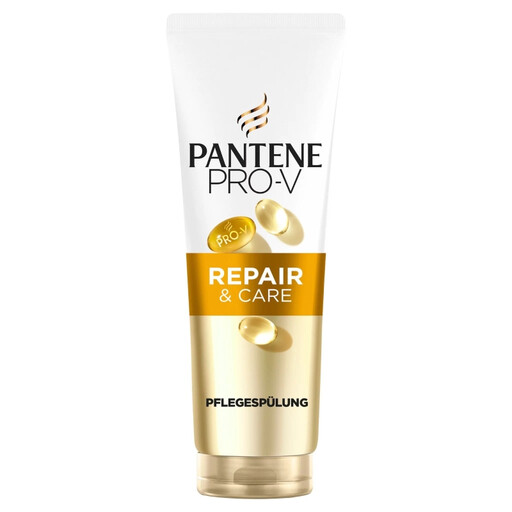
Why this product suits the profile: With an application time of two to three minutes, it is suitable for a straightforward care routine for weak and damaged hair.
The product description specifies a small application amount and clear instructions for the lengths and ends, rather than vague intensive-care claims.
Pro-V formula according to the product information, a recyclable bottle made from recycled plastic, and 0% paraffins and colourants according to the description.
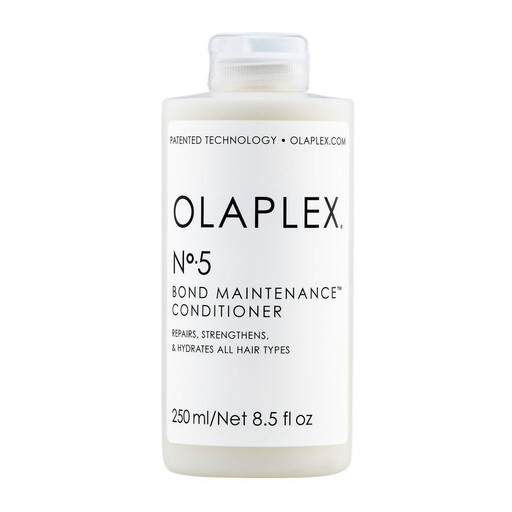
Why this product suits the profile: For people who prefer a defined application time and a shorter INCI list containing plant oils and humectants.
The information states a pH of 4.0–5.0 and an application time of three minutes. This makes it easier to incorporate into a predictable care routine.
According to the product description, free from sulphates, phthalates and phosphates; with bis-aminopropyl diglycol dimaleate and various oils.
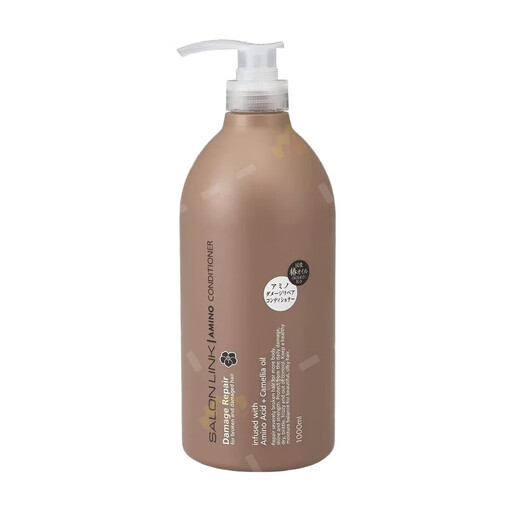
Why this product suits the profile: The 1,000-ml size is aimed at households and regular users looking for a large pack for frequent applications.
The product details specify 16 amino acids, hydrolysed silk, hyaluronic acid and ceramides. This makes it easier to assess the care profile more precisely.
According to the product description, alcohol-free, sulphate-free and formulated with a mildly acidic pH; also containing camellia oil, argan oil and squalane.
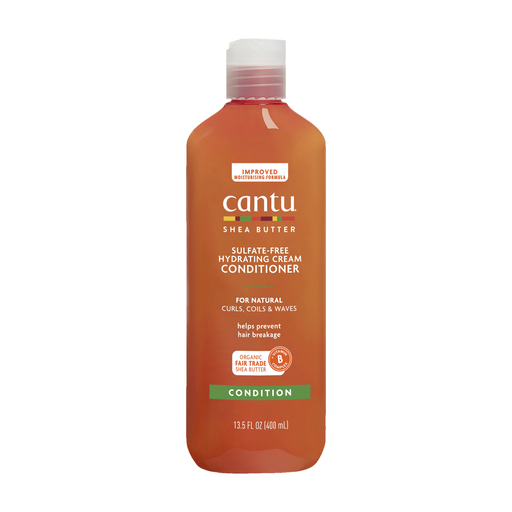
Why this product suits the profile: According to the product information, the creamy, silicone-free formula is intended for dry, brittle, naturally textured and colour-treated hair.
The information explicitly states that it is free from sulphates, silicones, mineral oil and parabens. This makes it easier to choose based on clear exclusion criteria.
Shea butter, panthenol and several B vitamins according to the INCI list; 400 ml content for regular applications.
We have put together a complete, regularly updated list of products that fully meet these strict selection criteria and the safety regulations applicable in the EU.
For colour-treated hair, you should also look for products that include colour-protection claims and clear directions for use wherever possible. For frizzy hair, smoothing conditioners with suitable film-formers or oils are often more practical than very lightweight formulas.
Conditioner can be used after every hair wash on dry or damaged lengths, provided it does not leave the hair feeling weighed down. Fine hair often needs only a smaller amount, while curly or highly porous hair may require more conditioning.
This depends on the formula. Many products specify an application time of between around 30 seconds and five minutes. Leaving conditioner on for longer does not automatically produce better results. The manufacturer’s instructions on the packaging are therefore the best guide.
Check the INCI list and warnings before buying. Several products listed here contain perfume or fragrance ingredients that must be declared. If irritation occurs, stop using the product. These products are intended solely for external hair care and should not come into contact with the eyes.