
Lieferung heute & morgen

Qualitätsgarantie

Willkommens-Angebote freischalten: KOSTENLOSE Lieferung | Bis zu 80 % RABATT | Kostenlose 30-Tage-JoyPlus-Testphase
App herunterladen
A conditioner should make hair easier to comb, smooth the lengths and suit your individual care needs. However, a high price or a marketing term such as “Repair”, “Moisture” or “Volume” does not automatically make a product the right choice. As a Joybuy Product Recommendation Officer, I assess the key product features objectively so that you can avoid unnecessary poor purchases when choosing a conditioner for every hair type.
A product may generally be intended for all hair types, while fine, oily or heavily damaged hair has different requirements. Rich oils and film-forming ingredients can support dry lengths, but may leave fine hair feeling weighed down. A volumising conditioner should therefore have a lightweight conditioning base, whereas a conditioner for dry hair can provide more intensive nourishment and contain moisturising agents.
Terms such as “repairing” or “professional conditioner” often describe a product’s positioning, but are not consistent quality standards. More meaningful information includes the INCI list, recommended processing time, fill quantity and specific suitability for dry, coloured or long hair. When assessing claims about performance, shoppers should distinguish between a product feature and a proven result.
Even a suitable conditioner may be unsuitable for sensitive individuals if it contains fragrances or certain preservatives. The complete ingredient list on the packaging is decisive, as formulations can change. If you have a known sensitivity, a cautious compatibility test on a small area of skin is advisable. If redness, itching or irritation occurs, stop using the product.
First, identify the main concern:
The INCI list is given in descending order of concentration. Cetearyl Alcohol and Stearyl Alcohol, for example, are fatty alcohols, which differ from drying alcohols. Silicones such as Dimethicone or Amodimethicone can improve combability and leave hair feeling smooth, but may not fit every personal hair-care routine.
Oils such as argan, jojoba, coconut or almond oil are more likely to appeal to shoppers looking for conditioning care for dry lengths. Keratin, amino acids and hydrolysed proteins are frequently found in formulations for damaged hair. However, the presence of an ingredient does not allow any general conclusion about its individual effects.
Most conditioners are worked into damp hair after shampooing and rinsed out after a short processing time. The amount used is crucial: fine hair generally needs only a small quantity, while long or thick hair may require more product. Conditioner should be distributed mainly through the mid-lengths and ends.
Also bear the following in mind:
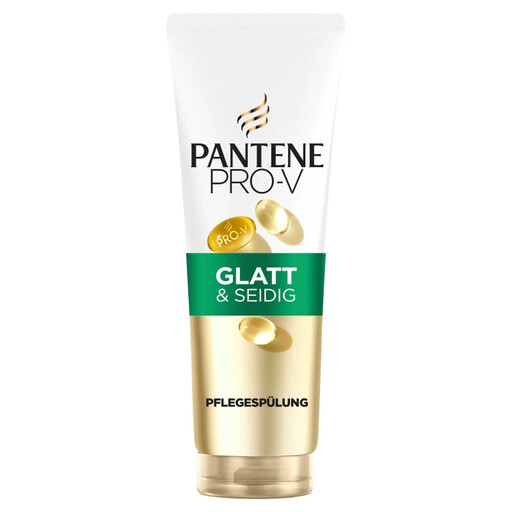
Why this product suits the profile: The formula is intended for unruly hair and is suitable for a straightforward daily hair-care routine.
The product description states 0% paraffins and 0% colourants, as well as a recyclable bottle made from 100% recycled plastic, excluding the cap and colourants.
Pro-V formulation with strengthening lipids, panthenol and antioxidants; intended for application to the lengths and ends.
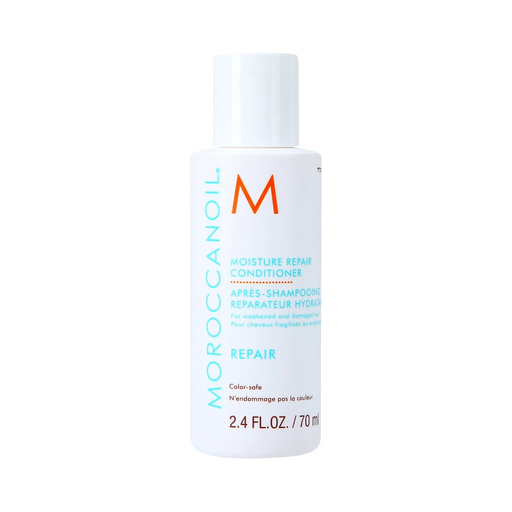
Why this product suits the profile: The compact 70 ml size is practical for trying the product or taking it travelling; according to the product description, it is designed to care for damaged and chemically treated hair.
Rather than simply marketing itself as “Repair”, the product description names specific ingredients such as argan oil, hydrolysed keratin and glycerine.
Argan oil, keratin, glycerine and panthenol; recommended processing time of 1–2 minutes and application from the mid-lengths down.
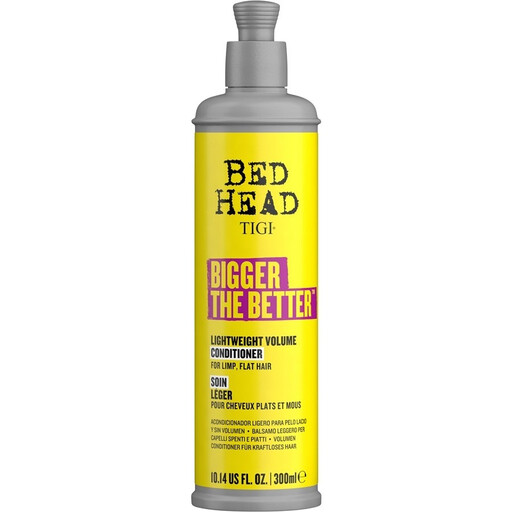
Why this product suits the profile: For fine, thin or flat hair, a lightweight volumising conditioner with a short processing time is a natural choice.
The description explicitly refers to a lightweight formula. When dosed correctly, this helps avoid the common problem of over-conditioning fine hair.
300 ml content, Conditioning Complex, coconut oil, keratin and an antistatic ingredient according to the product information; processing time of around one minute.
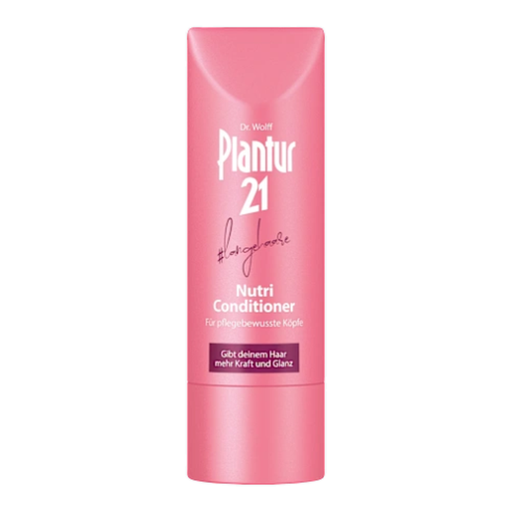
Why this product suits the profile: This choice is designed for longer hair, where the ends are often drier than the roots.
Its specific focus on long hair reduces the risk of choosing a general conditioner that does not take the needs of the lengths and ends into account.
Product description featuring a Nutri-Conditioner concept, phyto-caffeine and a protective complex; application to the lengths and ends.
We have put together a complete, regularly updated list of products that fully meet these strict selection criteria and the safety regulations applicable in the EU.
This depends on your hair type, how often you wash it and the product’s texture. A lightweight conditioner can be used after every wash as part of many routines. Rich formulations for dry or damaged hair may not need to be used every time you wash your hair. Pay attention to whether your hair feels soft and easy to comb or noticeably weighed down.
The printed best-before date and the open-jar symbol, such as “6M” or “12M”, are the key points to follow. Store the conditioner in a dry, closed place away from direct heat. If its colour, smell or consistency changes, stop using it.
The price depends, among other things, on the brand, fill quantity, ingredients and salon positioning. Do not compare only the pack price; check the price per 100 millilitres. A large bottle may be more economical for frequent users, while a smaller size reduces the risk of making the wrong purchase.