Organisers of a traditional coffee break
If you’re serving butter biscuits with coffee or tea, you’ll need an option that’s easy to plan for and make the ingredient information available when serving.


Classic butter biscuits can work well for a coffee or tea break, provided you can clearly communicate the ingredients and allergens when serving them. Reduced-sugar or gluten-free biscuits are best offered as specific alternatives for guests who need them. A box of chocolates or pralines, on the other hand, is more suitable as a gift than as a break-time treat for everyone.
If you’re serving butter biscuits with coffee or tea, you’ll need an option that’s easy to plan for and make the ingredient information available when serving.
A clearly identifiable gluten-free option or a lower-sugar biscuit may be useful for individual guests. However, gluten-free does not mean a product is also free from milk, eggs or other allergens.
A box of chocolates or pralines can be a thoughtful gift for a speaker or another individual. Keep this separate from the refreshments served during the break.
First, decide whether you’re buying biscuits for a shared break or a gift for one person. For biscuits served during the break, the way you’ll serve them and any ingredient requirements will determine which options you need.
| What you need | What to check when buying | Who it matters to |
|---|---|---|
| Classic break-time refreshments | Choose a pack size and serving format that suit your plans, and keep the ingredient information available. | I want to serve biscuits with coffee or tea without preparing an individual portion for every guest. This type of break-time catering is the priority for around 38% of consumers. |
| Ingredients and allergens | Check the ingredients on the specific pack and label any special options separately. If serving loose biscuits, make the allergen information accessible. | If guests need to avoid certain ingredients, I need a clearly identifiable option rather than a shared, unlabelled selection. This is the priority for around 31% of consumers. |
| Less sugar | Compare sugar and energy per 100 g, and check the allergen information for each option separately. | I’m specifically looking for a lower-sugar butter biscuit for the break, but I don’t want to assume that it is also lower in energy. Around 16% of consumers prioritise this. |
| A gift rather than a biscuit for the break | Decide in advance who the box is for, and check the ingredients and serving format of the specific product. | If I want to thank one person, I’ll choose a gift and plan the break-time refreshments separately. This gifting occasion is the priority for around 15% of consumers. |
A gluten-free butter biscuit may still contain milk or eggs. The Schär Butterkeks Petit Beurre option described by EDEKA24 is free from gluten and wheat, but it is not a universally allergen-free choice.
Check the ingredients and precautionary allergen statements on the specific pack, and serve any special options separately with clear labels.
Guests must be able to access allergen information easily for unwrapped food. The 2024 guidance leaflet from the Association of German Chambers of Industry and Commerce recommends displaying a clearly visible notice explaining where and how to find this information.
Keep the information in German and accessible at the serving point, and make it clear where guests can find it.
LEIBNIZ points out that its butter biscuit with 30% less sugar does not have a correspondingly lower energy content.
Compare the nutritional information per 100 g and describe the product only in terms of the properties actually stated.
A gift for one person and biscuits for a shared coffee break serve different purposes.
Plan the gift and break-time refreshments separately, and check the serving format and ingredient information for each.
Bahlsen describes its Butterblätter as butter biscuits to enjoy with coffee.
The butter biscuits considered here include Original, a version with 30% less sugar and a wholemeal biscuit.
EDEKA24 describes Schär Butterkeks Petit Beurre as gluten-free, wheat-free and individually wrapped.
ALDI SÜD lists BISCOTTO butter biscuits in a 400 g pack.
Lidl categorises Sondey under sweet baked goods and J.D. GROSS under pralines and fine chocolate.
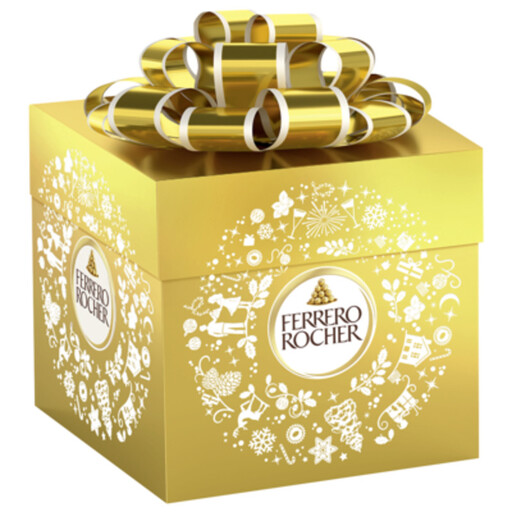
The box below is a gift option for one person, not a choice of butter biscuits for a shared coffee break.
 No image available
Designed as a chocolate gift for one person, not as a replacement for butter biscuits at a conference break. Before handing it over, check the ingredients and allergen information on the specific pack.
Information about allergenic ingredients must be easy to access for unwrapped butter biscuits. The 2024 guidance leaflet from the Association of German Chambers of Industry and Commerce recommends that food-service businesses display a clearly visible notice explaining where and how guests can find this information. It must be provided in German.
No. According to the published ingredients list, LEIBNIZ Original butter biscuits contain wheat flour. The list also includes butter, milk ingredients and eggs. For a gluten-free option, you’ll need a product specifically labelled as such and clearly identifiable as a separate choice.
Not necessarily. LEIBNIZ specifically points out that its butter biscuit with 30% less sugar does not have a corresponding reduction in energy. The manufacturer states 422 kcal per 100 g, so compare the sugar and energy figures separately.
Check the information on the specific pack you plan to serve. Manufacturer websites can help you shortlist products, but the ingredients and allergens of the version you actually use are what matter when informing guests.
No. The Schär Butterkeks Petit Beurre considered here is described as gluten- and wheat-free, but it contains butter, eggs and milk powder. Possible traces of soya and lupin are also listed. Check the pack before choosing it for guests with other ingredient requirements.