For clothes stored in a conservatory, choose technology suited to the lowest temperature at the storage location. In rooms that stay cool, an adsorption dehumidifier specifically rated for low temperatures is a sensible choice, while a compressor model is only suitable if the temperature is within its operating range. Measure the temperature and relative humidity on site; the consumer advice centre recommends using a thermo-hygrometer. Any penetrating damp must also be investigated, regardless of the appliance you choose. A moisture absorber that uses tablets and needs no electricity is better viewed as a limited supplement than an untested substitute for dehumidifying the whole room.
Who is this relevant to?
Storing clothes in a cool conservatory
The key is whether the appliance can cope with the lowest temperature during the storage period. Trotec specifies that the TTR 57 E operates from 1 °C; Condair describes adsorption dehumidifiers as suitable for low temperatures.
Keeping an eye on recurring condensation
If you want to monitor moisture where your clothes are stored, check for condensation and possible structural causes too. The consumer advice centre recommends using a thermo-hygrometer, while the German Environment Agency points out that moisture should not be entering from outside.
If you can’t check the storage space every day
If you’re away for a longer period, consider how often you’ll need to empty the tank, drain the water or replace the tablet. The manufacturer’s information can help you assess how to operate and maintain the model you’re considering.
What should you look for when buying?
Your decision should mainly depend on the actual winter temperature, how easily you can monitor moisture, the level of maintenance involved and whether a system that needs no electricity will meet your limited needs.
| Priority |
What to look for when buying |
Who should pay particular attention |
| Performance in cold conditions |
Compare the lowest measured temperature with the operating range of the exact model; don’t assume its daily capacity will be the same in cold conditions. |
If my conservatory gets very cold during the storage period, I’ll check the specified temperature range first. Cold-weather suitability is the top priority for around 36% of consumers. |
| Controllable humidity |
Check whether you can measure the humidity where your clothes are stored and set a target level on the appliance; keep an eye on condensation separately. |
If I want to protect stored clothes from persistently damp air, I need to be able to check the conditions where they’re kept. Around 29% of consumers prioritise humidity control. |
| Water drainage and maintenance |
Compare tank capacities and check whether continuous drainage is supported; plan for emptying and maintenance based on how you’ll actually use the appliance. |
If my clothes are being stored for a long time and I can’t check on them every day, I want to know in advance how much maintenance will be needed. Around 21% of consumers focus on water drainage and maintenance. |
| Small-scale use without electricity |
Consider this only for a limited moisture problem and make sure the salt solution cannot come into contact with textiles. |
If I only want to treat a small area without a power socket, a tablet system could be a limited supplementary option. For around 14% of consumers, a solution without electricity for a small area comes first. |
Common buying mistakes
-
Buying an appliance without checking for damp damage
A dehumidifier reduces humidity, but it won’t stop moisture coming in through leaky building elements. The German Environment Agency highlights a structurally sound building with no penetrating damp as an important prerequisite.
Check windows, joints and building elements for condensation or signs of damp, and investigate any damage as well as choosing an appliance.
-
Assuming the highest litres-per-day figure reflects winter performance
Maximum daily capacity, operating range and suitability for low temperatures are different specifications. A high rated capacity doesn’t tell you how much water an appliance will actually remove in the coldest part of your storage space.
Compare the measured winter temperature with the operating range of the specific model, and only compare performance figures under similar conditions.
-
Leaving a tablet-based appliance unattended next to clothes
According to its technical data sheet, the salt solution produced by the Pattex AERO 360° must not come into contact with textiles. The system also needs refill tablets.
Place the appliance on a stable surface away from clothes, and allow for tablet changes and emptying.
Key brands at a glance
Trotec
The TTR 57 E is an option for a cool conservatory; the TTK 66 E is only suitable if the operating temperature matches the conditions in your space.
- Trotec specifies that the TTR 57 E operates from 1 °C and is suitable for rooms up to 20 m². For the TTK 66 E, the manufacturer specifies 5–32 °C and up to 24 l/24 h.
- A maximum daily capacity doesn’t guarantee the same level of dehumidification at the lowest operating temperature. Check the temperature, room size and tank maintenance requirements for the specific model.
Meaco
The MeacoDry Arete One 12L is another electric option, provided the temperature and size of your conservatory suit the conditions specified for the model.
- Meaco specifies a dehumidification capacity of 12 l/day for this model.
- The German product page lists both 50 m² and 55 m² as the coverage area. Before choosing, check the figure for the specific version and the conditions in which you’ll use it.
Pattex
The AERO 360° is a tablet-based option that needs no electricity and is intended for limited moisture problems; it isn’t automatically a substitute for dehumidifying an entire conservatory.
- Pattex specifies that it can be used in rooms up to 20 m²; according to the manufacturer, tablet life depends on the conditions.
- Refill tablets are required, and the salt solution must not come into contact with textiles, according to the technical data sheet.
Joybuy products for moisture control
The Joybuy products below are electric dehumidifiers with different humidity-control and water-drainage specifications. Before choosing, check the operating range of the model in question: the product information should confirm whether it’s suitable for the low temperatures in your conservatory.
 Image unavailable
Comfee' MDDO-10DEN7, 10 l/day
An option to consider if automatic humidity control and a laundry mode are important for how you plan to use it.
Specifications in the product name: 10 l/day, 2.5-litre water tank, 24-hour timer and a room size of around 40 m³ (16 m²).
According to the product information, continuous drainage requires a hose, which is not included.
View at Joybuy
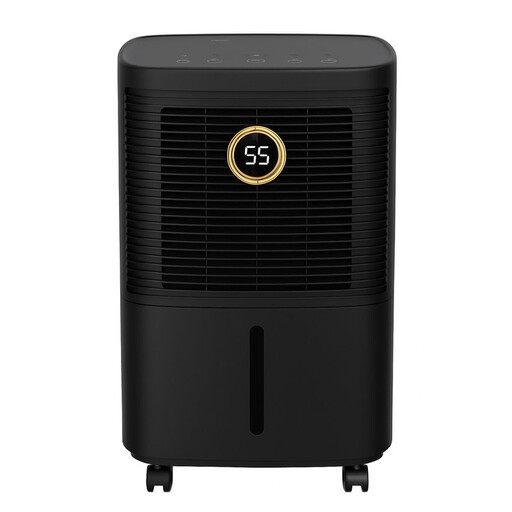 Image unavailable
Komodo dehumidifier, 16 l/day
An option to consider if humidity control and continuous water drainage are important.
Specifications in the product name: 16 l/day and a laundry-drying function.
The stated water tank capacity is 1.8 l; a hose is provided for continuous drainage.
View at Joybuy
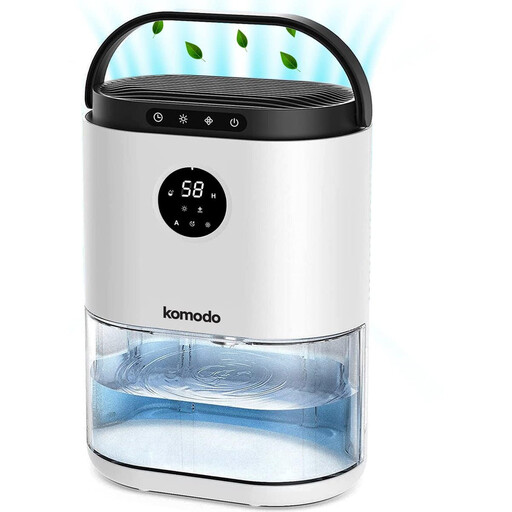 Image unavailable
Komodo Small dehumidifier
Described as a compact option for limited needs; check whether its capacity is sufficient for your actual storage space.
A humidity display and automatic mode are listed as features.
According to the product information, the appliance switches off automatically when the tank is full.
View at Joybuy
 Image unavailable
Bosch Dry 4000, 16 l/day
An option if humidity control and a laundry mode suit your needs; check the temperature range separately to make sure it’s suitable for your conservatory.
Specifications in the product name: up to 16 l/day, room volume up to 75 m³, 2.5-litre tank and 40 dB.
The appliance switches off automatically when the tank is full; the hose for continuous drainage is not included.
View at Joybuy
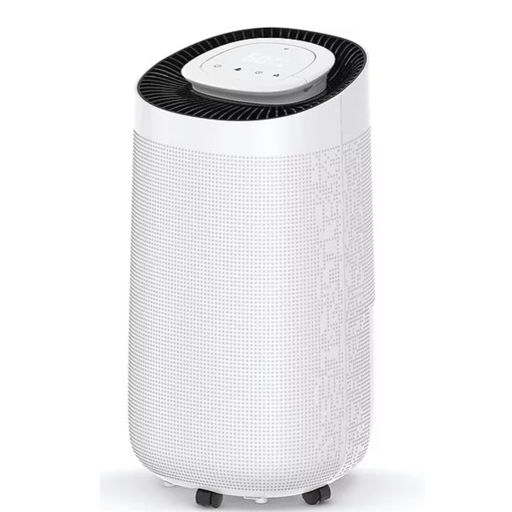 Image unavailable
Komodo Humi+, 16 l/day
An option if a humidity display and water drainage are important for extended use; check the operating range for your conservatory too.
Specifications in the product name: 16 l/day and a 3.2-litre water tank. According to the listing, a drainage hose is included.
According to the product information, the appliance switches off automatically when the water tank is full.
View at Joybuy
Frequently asked questions
What humidity level should I aim for when checking the storage area?
For living spaces, the consumer advice centre gives 40–60% relative humidity as a guide and recommends using a thermo-hygrometer. This doesn’t guarantee that clothes will stay dry right next to a cold window or wall; check for condensation there and monitor the conditions where your clothes are stored.
Where should I place a dehumidifier among stored clothes?
For an electric appliance, keep the air inlets and outlets clear and follow the instructions for the specific model. According to the manufacturer, the salt solution produced by the Pattex AERO 360° must not come into contact with textiles. The technical data sheet also recommends leaving at least 10 cm between the appliance and adjacent walls for the best results.
What are the ongoing costs?
For electric appliances, factor in electricity and, where applicable, maintenance; tablet-based appliances need refill tablets. The actual cost depends on how you use the appliance and the consumables it requires.
Can I put an old electric dehumidifier in my household rubbish?
No. The German Environment Agency points out that old electrical appliances must not be put in household rubbish. Local recycling centres and suitable take-back points are possible places to dispose of them.


