
Lieferung heute & morgen

Qualitätsgarantie

Willkommens-Angebote freischalten: KOSTENLOSE Lieferung | Bis zu 80 % RABATT | Kostenlose 30-Tage-JoyPlus-Testphase
App herunterladen
An empty hallway, that unused space behind the sofa, or a bare wall in the living room—designing these areas in your home to be both stylish and functional can be a challenge. A console table offers an elegant solution. It not only creates valuable surface space for keys, decor, or a lamp but also makes a deliberate design statement.
This guide serves as a point of reference. We'll introduce various aspects to consider when making your choice and present a selection of models suited for different living situations due to their specific features.
The decision for the right model depends on three key factors: the available space, the desired material, and its intended use.
The material significantly defines the furniture's impact in a room.
Measure the intended space carefully before making a decision.
Consider what primary function the table should serve. Do you just need a decorative surface, or do you also require storage? Models with drawers or a second lower shelf offer additional space for everyday items you'd prefer to keep out of sight.
Here is a selection of models that meet different design and functional requirements.
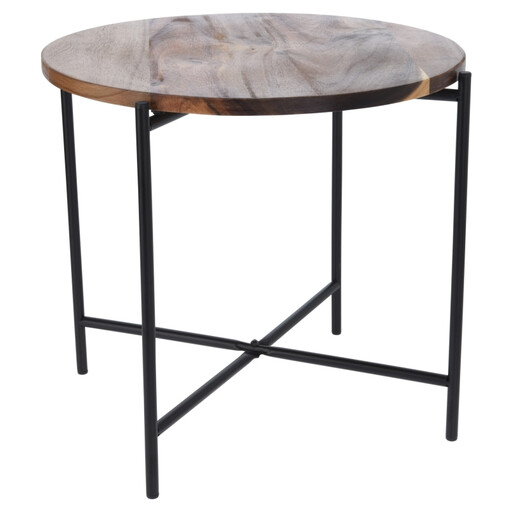
Why it stands out: This model combines the natural beauty of solid acacia wood with a simple, black metal frame. The round tabletop with its unique grain makes every table one-of-a-kind.
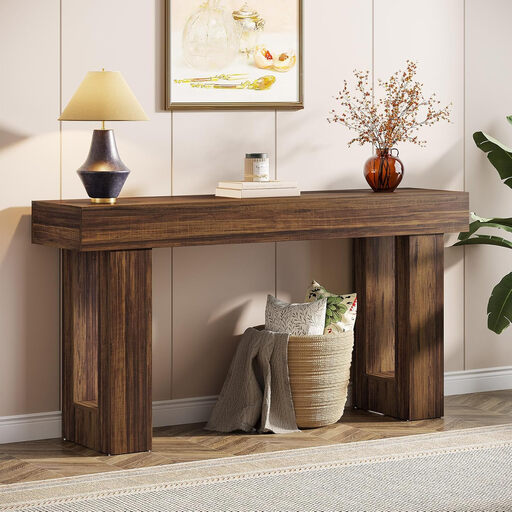
Why it stands out: With an impressive length of 160 cm, this table offers an exceptionally large surface area. The farmhouse-style design with a rustic wood-effect finish lends a cosy atmosphere to any room.
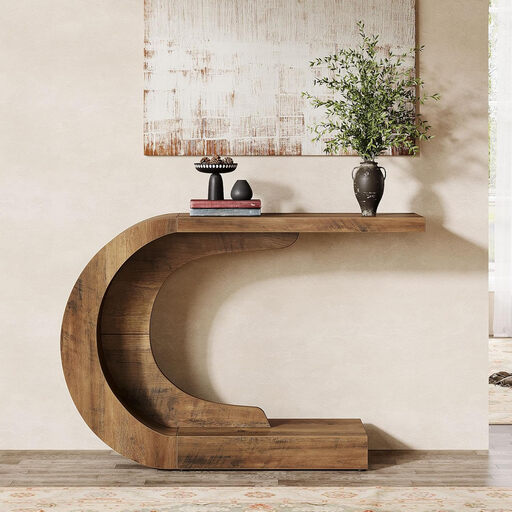
Why it stands out: The distinctive C-shaped design gives this table a sculptural and almost floating appearance. The asymmetrical form is an eye-catcher, making it a modern statement piece.
The models presented here are just a glimpse of the wide range of possibilities. If you are looking for specific styles, such as a white farmhouse coffee table, or wish to compare more alternatives, you might find the perfect piece in our broader selection.
Discover more coffee and side tables here
A console table is typically taller, longer, and narrower than a classic side table. It is designed to stand against a wall, in a hallway, or behind a sofa. A side table is usually smaller and lower, often placed next to an armchair or sofa to hold drinks or a book. However, the lines are fluid, and many models can serve both functions.
The ideal height depends on its placement. If the table is behind a sofa, it should not be taller than the backrest—ideally, slightly below it. In a hallway or against a bare wall, the standard height is usually between 75 and 85 cm, which is a comfortable height for placing items while standing.
With a narrow table, it's wise to work vertically. A tall, slender table lamp or a tall vase with a few branches creates a vertical accent. A round mirror or a picture above the table visually opens up the space. Complement this with a small bowl for keys and a stack of books or a scented candle to create a welcoming and personal atmosphere.