
Lieferung heute & morgen

Qualitätsgarantie

Willkommens-Angebote freischalten: KOSTENLOSE Lieferung | Bis zu 80 % RABATT | Kostenlose 30-Tage-JoyPlus-Testphase
App herunterladen
The world of construction toys is vast, ranging from simple building blocks for toddlers to complex model kits for adults. But behind the colourful packaging and tempting promises often lie pitfalls that can lead to frustration and unnecessary expense. As a Joybuy Product Recommendation Officer, I'm here to help you separate the wheat from the chaff and make an informed decision.
This guide highlights the most common problems and shows you which crucial features to look for before you buy.
Before you invest in a new set, you should be aware of these common issues that can significantly spoil the fun.
To avoid these pitfalls, focus on these three objective parameters. They are the key to a durable and educationally valuable product.
Safety is non-negotiable, especially with building blocks for toddlers. Look for the following:
Construction toys can be broadly divided into two categories, and their mechanism significantly defines the building experience:
A good gift for children matches their interests and abilities.
Here are some recommendations tailored to different needs and age groups that meet the quality criteria mentioned above.
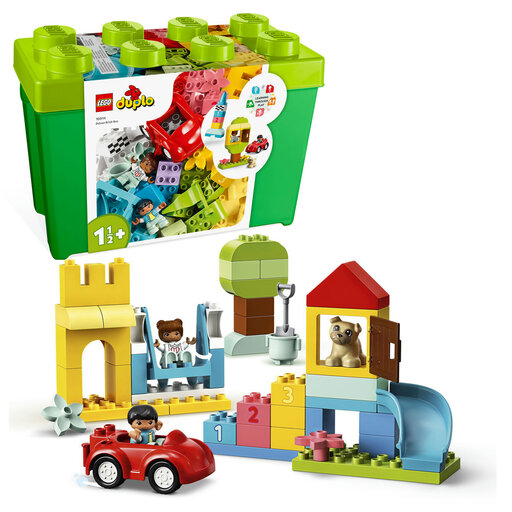
Why this set is a great fit: Specifically designed for children from 1.5 years old. The large bricks are safe and easy to grip, promoting fine motor skills without being overwhelming.
The size of the bricks eliminates any choking hazard, and the age rating is precise. LEGO's material quality and manufacturing standards are renowned and reliable, removing any concern about inferior materials (Pitfall 2).
Includes 85 pieces, featuring figures, a car, and number bricks (1-5) that playfully introduce early numeracy and enable initial role-playing.
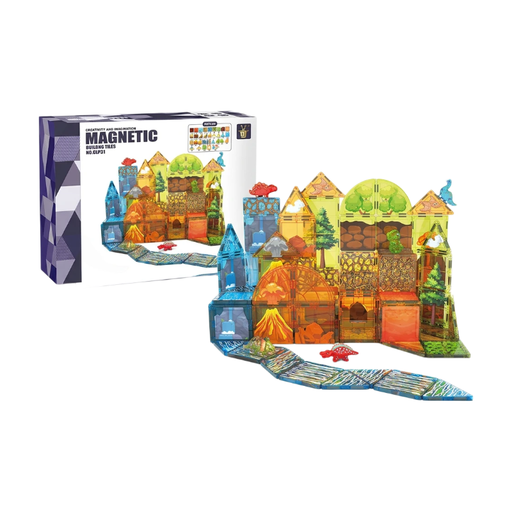
Why this set is a great fit: Ideal for children aged 3 and up who show an interest in themed worlds. As a STEM toy, this set fosters creativity, spatial reasoning, and problem-solving skills.
The magnets are securely enclosed in BPA-free ABS plastic (avoiding Pitfall 2). As a self-contained magnetic system, there are no compatibility issues (Pitfall 1). The dinosaur theme is highly engaging for the target age group.
Strong magnets ensure stable structures. The set includes theme-specific parts and an idea booklet to spark imagination and create prehistoric landscapes.
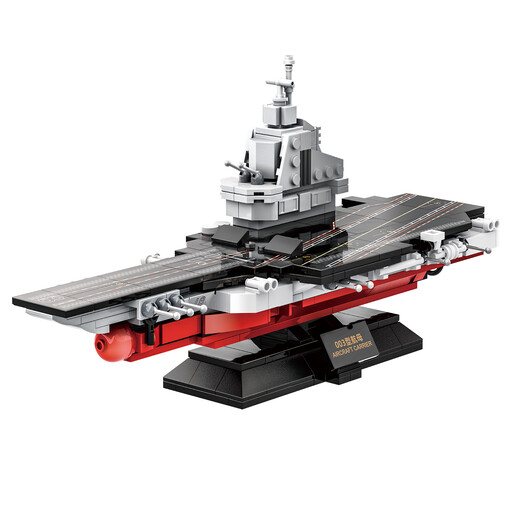
Why this set is a great fit: A detailed model kit for teens and adults with an interest in military technology. It offers a challenging building experience and serves as an impressive display piece afterward.
Its clear positioning as a model kit for an older audience avoids the pitfall of a misleading age rating (Pitfall 3). As a self-contained set from a single manufacturer, the fit of the parts is guaranteed (avoiding Pitfall 1).
High level of detail in the replication of the Type 003 aircraft carrier, including deck superstructures and aircraft. The finished model has significant collector and decorative value.
We have compiled a complete, up-to-date list of products that fully meet these strict selection criteria and safety regulations.
1. How can I identify safe construction toys for toddlers? Look for the CE mark, a clear age warning (e.g., "Not suitable for children under 36 months" due to small parts that can be swallowed), large components without sharp edges, and the specification of tested materials like BPA-free ABS plastic.
2. Are "LEGO compatible" interlocking bricks really a good alternative? Compatibility can vary greatly. The crucial factor for a frustration-free building experience is the clutch power. Sets from established third-party manufacturers often offer a more reliable fit than no-name products. It is advisable to check product descriptions and customer reviews to ensure the bricks hold together firmly yet can be easily taken apart.
3. What is the difference between a STEM toy and a regular toy?STEM toys are specifically designed to playfully develop skills in Science, Technology, Engineering, and Mathematics. Construction toys like magnetic building blocks or a marble run construction set are typical examples, as they intuitively teach principles of physics, geometry, and logical thinking during the building process.