
Lieferung heute & morgen

Qualitätsgarantie

Willkommens-Angebote freischalten: KOSTENLOSE Lieferung | Bis zu 80 % RABATT | Kostenlose 30-Tage-JoyPlus-Testphase
App herunterladen
Construction toys for children can support creative thinking, fine motor skills and spatial awareness. However, it is not just the number of pieces that determines whether a building set will work well in family life. A set with many small parts may be unsuitable for younger children, while a detailed 3D building set could appeal to older children or hobby builders.
A high piece count sounds impressive at first. What really matters, though, is which pieces are included and what models can be built with them. A set with 484 standard elements, for example, is suitable for free building, whereas a model kit with several hundred pieces is more focused on a specific vehicle or building.
Before you buy, you should be clear about the following:
Small building blocks, magnets and tools all present different challenges. Sets with small parts pose a choking hazard for children under three. Magnetic building blocks also contain small, powerful magnets. If magnets are swallowed, this can lead to serious injury. If you suspect this has happened, seek medical help immediately.
The age recommendation is therefore not just a marketing detail. Even older children should be supervised when first using a set, especially with complex building kits or DIY craft sets.
With children's building blocks and magnetic building sets, precise product information is essential. Look out for:
A smooth surface can make handling more pleasant, but it does not replace a full safety check or age-appropriate supervision.
Magnetic building blocks with larger tiles can usually be joined quickly into 2D patterns or 3D structures. Classic interlocking bricks, on the other hand, often require more time and finger coordination. For a gift for children aged 3 and over, an easy-to-use magnetic set could be suitable, provided the safety warnings are heeded. For a gift for children aged 6 and over, detailed models with instructions may also be an option.
The piece count should match the intended use:
This breakdown is only a guide. The shape, building instructions and difficulty level all affect the actual playtime.
A LEGO Classic set offers many standard pieces, wheels, windows and base plates for changing constructions. A 3D building set with a ship, tank or architecture theme, on the other hand, has a specific goal in mind. This may be more suitable for children with a particular interest or for adult hobby builders.
A sturdy storage box or bag reduces lost pieces. Also check the packaging and model dimensions. The LEGO Classic 10698, for example, comes in a plastic storage box and contains 790 elements. Larger architectural models can require significantly more display space once built than the packaging might suggest.

Why this product suits the profile: This compact magnetic building block set offers an easy introduction to magnetic construction and can be stored away in the included bag after play.
The piece count and individual size of 5.5 cm are clearly stated. The warning about small parts and strong magnets should still be heeded.
28 ABS pieces, storage bag and no batteries required.
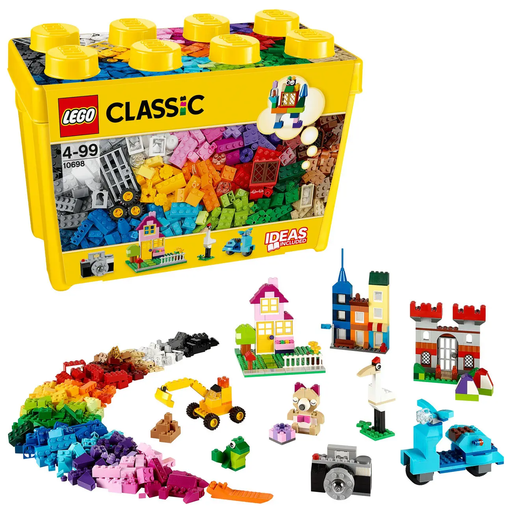
Why this product suits the profile: This set is aimed at children aged 4 and over and at users who want lots of classic building blocks for changing building ideas.
The box contains a stated piece count, various colours, windows, doors, wheels and base plates rather than just simple standard bricks.
790 elements, practical plastic box and first building instructions.
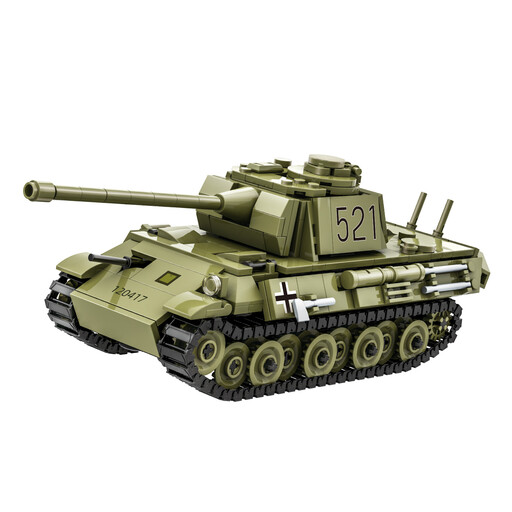
Why this product suits the profile: This themed model is ideal for military and model-building fans, as well as families looking for a longer joint building project.
The specific tank theme makes the intended use clear. The age recommendation of 6+ and the warning about small parts sensibly define the target audience.
638 ABS pieces, model building with a specific theme and intended use as a display model.
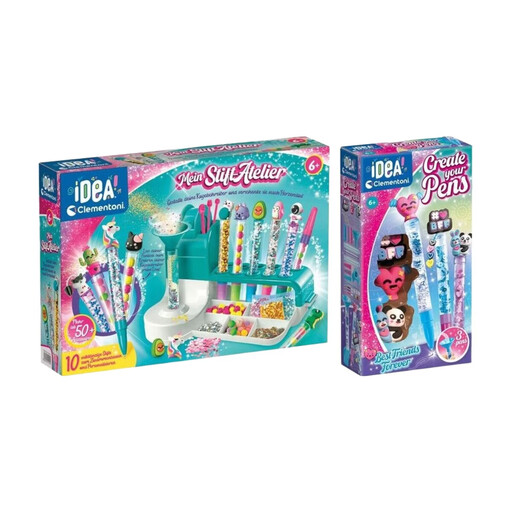
Why this product suits the profile: This creative building set combines designing and personalising. It is aimed at children aged 6 and over who prefer DIY projects and craft activities.
The contents list includes a workbench, tools, accessories and decorations. This makes it clear that it is a guided DIY craft set and not classic building blocks.
No batteries required, accessories for individual design and packaging with a clear warning about small parts.
We have put together a full, regularly updated list of products that fully meet these strict selection criteria and the safety regulations in force in the EU.
The lifespan depends heavily on how the set is handled. Building blocks should be stored in a dry place away from direct heat. With magnetic building blocks, regular checks are important:
With a classic building set, missing pieces can affect later play value. A sorting box or the original packaging helps to keep children's building blocks complete.
That depends on the product. Many magnetic building blocks and interlocking bricks are intended for ages 3 or 4, while detailed models often have a recommendation of 6+. With sharp tools, for example in a wood or model-building set, separate age recommendations apply and direct adult supervision is required.
Magnetic building blocks must be used according to the age recommendation and checked regularly. The warning about swallowable magnets is particularly important. If parts are damaged or magnets are visible, the set should not be used further. Magnetic toys should be kept out of the reach of children who put objects in their mouths.
The price should be compared based on piece count, material, storage, instructions and theme. A budget set can be a sensible starting point, while a comprehensive LEGO Classic, a 3D building set or a themed model-building kit offers more build time and special pieces. What matters is whether the contents match the intended use and the child's age.