
Lieferung heute & morgen

Qualitätsgarantie

Willkommens-Angebote freischalten: KOSTENLOSE Lieferung | Bis zu 80 % RABATT | Kostenlose 30-Tage-JoyPlus-Testphase
App herunterladen
Construction toys for children should suit their age, motor skills and family life. In practice, however, unclear age recommendations, lost pieces or overblown promises can quickly lead to a disappointing purchase. Parents, grandparents and relatives should therefore look beyond just the number of bricks or an eye-catching box.
A set with lots of pieces may look impressive at first glance. What really matters, though, is which shapes are included and whether children can build their own models with them. Beginners often benefit from basic shapes, wheels, windows, doors or a clear instruction booklet. With magnetic building blocks, a variety of geometric shapes is important if you want to create more than just simple flat surfaces.
Small bricks and magnets pose a choking hazard for children under three. A building set labelled “ages 3+” isn’t automatically suitable for every three-year-old. Individual development, the ability to follow instructions and the need for adult supervision all play a part.
With magnetic building blocks in particular, check the pieces regularly for cracks or loose magnets. If a magnet is swallowed or inhaled, seek medical help immediately. Damaged pieces should be discarded.
A dinosaur building set, a police station set or a family house often appeals to children straight away. At the same time, you should consider whether the toy still allows for different play scenarios after the initial build. Accessories such as figures, wheels, landscape pieces or furniture can boost its role-play value later on.
For toddlers from around two years old, larger bricks that are easy to hold are a good choice. The LEGO DUPLO Peppa Pig Family House is described as suitable for children aged two and up, and includes figures, rooms and accessories for everyday scenes. Small classic LEGO bricks, on the other hand, are only suitable from age four or five, depending on the set.
The manufacturer’s age recommendation is an important starting point, but it doesn’t replace adult supervision. Also check:
For plastic bricks, the material used should be stated. In the product information featured here, ABS plastic is mentioned. Claims such as “non-toxic” or “BPA-free” should always be understood as manufacturer statements. For magnetic sets, information about the secure casing of the magnets and any warnings is also relevant.
The EN 71 certification is an important benchmark for toy safety in Europe. However, it shouldn’t replace regular visual checks. If you notice damaged casings, sharp edges or visible magnets, the product should be removed from the playroom.
A storage box or bag reduces lost pieces and makes tidying up easier. This is especially important for larger sets with multiple shapes. Also check whether products are compatible within a system or with bricks you already own. Manufacturer claims about compatibility shouldn’t be taken as blanket compatibility with any other set.
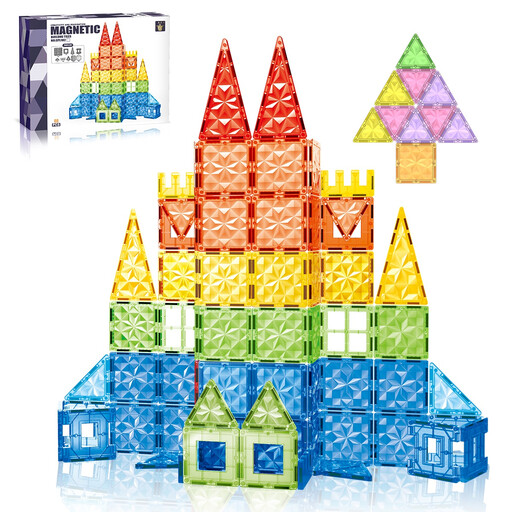
Why this product fits the profile: This set is designed as an introduction to magnetic building, contains 60 pieces and comes with a storage bag. The product description recommends it for ages 3 and up.
The manageable number of pieces makes it easy to get started without needing a very large collection. The bag helps with storage.
60 magnetic pieces, 7.5 cm format according to the product information, and no batteries required.
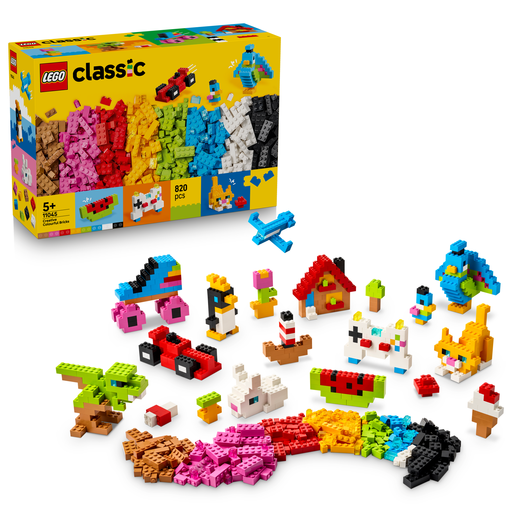
Why this product fits the profile: According to the product information, this set is aimed at children aged 5 and up and contains 820 pieces plus instructions for several models.
The combination of basic bricks, special pieces and digital instructions offers more than just a one-off build.
820 pieces, 14 printed model ideas and three additional digital building instructions according to the manufacturer.
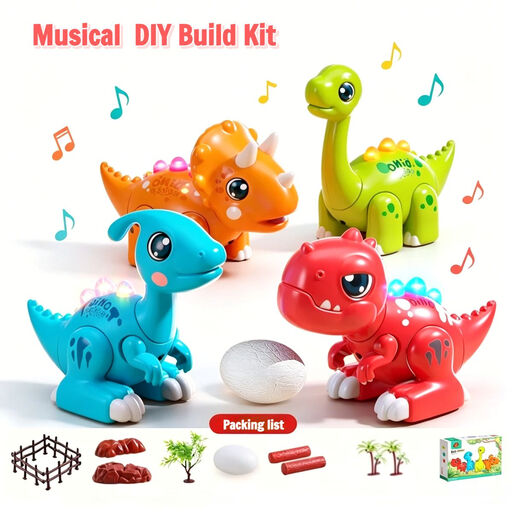
Why this product fits the profile: This themed building set combines assembling four dinosaur figures with landscape accessories and is recommended for children aged 3 to 6.
The accessories extend play beyond just snapping pieces together. Before buying, consider batteries, small parts and the need for supervision.
Four dinosaurs, landscape elements plus light and sound functions according to the product description.
For children aged four and up, the LEGO Classic 10696 Medium Creative Brick Box with 484 pieces and the LEGO Classic 10698 Large Creative Brick Box with 790 pieces offer a classic selection of LEGO bricks. Both sets are described as coming with a plastic storage box. For role play from age two, the LEGO DUPLO Peppa Pig Family House with figures and several living areas is a possible choice.
We’ve put together a complete, regularly updated list of products that fully meet these strict selection criteria and the safety regulations in force in the EU.
For children aged three and over, larger magnetic building blocks, simple stacking systems and themed building sets are all good options. Pay attention to the specific age rating, small parts and magnets. The first use should always be supervised.
The lifespan depends on the material, the type of connection and how they’re handled. Plastic bricks can last a long time with careful use. Magnetic sets should be checked regularly for damaged casings and loose magnets. Damaged pieces should be thrown away.
Magnetic building blocks can teach shapes, colours, spatial relationships and simple construction in a playful way. The actual learning value depends on the child’s age, the tasks set and the involvement of adults. They don’t replace targeted educational support, but can complement it during free play.