
Lieferung heute & morgen

Qualitätsgarantie

Willkommens-Angebote freischalten: KOSTENLOSE Lieferung | Bis zu 80 % RABATT | Kostenlose 30-Tage-JoyPlus-Testphase
App herunterladen
The range of toy construction vehicles is vast, spanning from simple plastic dump trucks to detailed die-cast cranes. Whether as a birthday or Christmas gift for children, the search for the right model can quickly become overwhelming. Many products overpromise and underdeliver, leading to disappointment in the playroom. As your Joybuy Product Recommendation Officer, I'll help you avoid common purchasing pitfalls and make an informed decision.
Before you decide on a model, you should be aware of the most common flaws that often only become apparent after unboxing and can dampen the fun.
To avoid these problems, you should focus on three key criteria. These will help you objectively assess the quality of a model.
The material is crucial for durability and safety. The most common materials are:
Regardless of the material, look for a clean finish with no sharp edges and sturdy joints on all moving parts.
The complexity of the toy should match the child's age and motor skills.
In the UK and EU, toys must meet specific safety requirements. Two important markings are:
Here are some recommendations tailored to different needs and age groups.

Why This Fits Their Persona: Ideal for little hands starting their first construction projects. The large, safe bricks promote creativity and fine motor skills without being overwhelming. A perfect first construction site toy set.
The robust DUPLO bricks are renowned for their durability and can withstand even intense play. There are no small, fragile parts.
The 3-in-1 concept allows for building three different vehicles with the same bricks, ensuring long-lasting and varied fun.
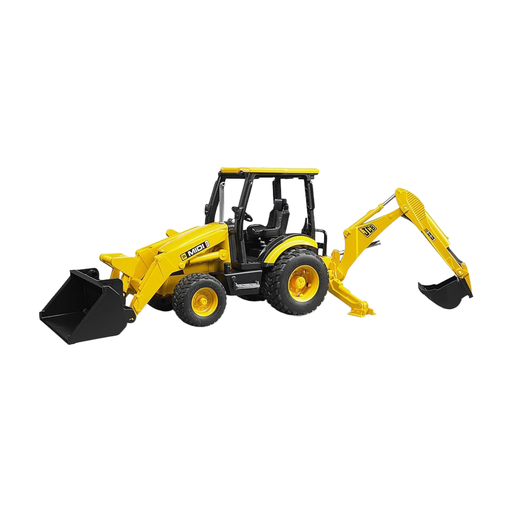
Why This Fits Their Persona: For children who love to re-enact realistic construction site scenarios. This 1:16 scale model offers detailed and fully functional mechanics for authentic play.
Made from high-quality ABS plastic, Bruder construction vehicles are known for their robustness. The functions are designed for active play, not just for show.
Combines the functions of a mini-excavator and a compact wheel loader in one vehicle. The driver's seat swivels, allowing for realistic operation of both the front and back loaders.

Why This Fits Their Persona: Perfect for fans of heavy, sturdy models. The die-cast metal and plastic construction provides an authentic weight and high stability, ideal for a SIKU construction site.
The metal body is more resistant to breakage than pure plastic. SIKU is known for its quality control, which minimises the risk of sharp edges.
Fully functional front loader and backhoe with a side-shifting arm. Compatibility with other 1:50 scale SIKU models allows for building entire play worlds.
We've compiled a complete, up-to-date list of products that fully meet these strict selection criteria and European safety regulations.
1. What should I look for in toy construction vehicles for the sandbox? For outdoor use, material and construction are key. Choose models made from robust, UV-resistant plastic (like ABS) that won't become brittle in the sun. Vehicles without electronics or small metal parts that could rust are preferable. A simple design without too many delicate parts makes it easier to clean off sand and dirt.
2. From what age is a remote-controlled construction vehicle a good idea? Remote-controlled models require well-developed fine motor skills and spatial awareness. As a rule, they are suitable for children from around 5 or 6 years old. Look for simple, intuitive controls and a robust design, as collisions are inevitable during the first few driving attempts.
3. How can I identify non-toxic toys? Look for the CE marking and, ideally, the GS mark. Reputable manufacturers often provide information about the materials used, for example, "made from high-quality ABS plastic." A neutral smell is also a good sign. If a plastic toy has a strong chemical smell, it's a red flag. Buying from established retailers who comply with UK and European regulations provides additional security.