
Lieferung heute & morgen

Qualitätsgarantie

Willkommens-Angebote freischalten: KOSTENLOSE Lieferung | Bis zu 80 % RABATT | Kostenlose 30-Tage-JoyPlus-Testphase
App herunterladen
A juicy steak, a crispy panini, or grilled vegetables – all prepared quickly and easily in your own kitchen, without smoke or a major hassle. A contact grill promises just that and is an attractive solution for many who live in an apartment without a garden or balcony. However, the selection is vast, and not every appliance lives up to its advertising. Before you make a decision, it's important to know the typical pitfalls that often only become apparent after the purchase.
Many buyers get frustrated with appliances that steam more than they grill, or whose cleaning takes longer than preparing the meal itself. This guide will show you what you really need to look for to avoid a bad buy and find a model that meets your needs.
On paper, many devices look good. In practice, however, design weaknesses often reveal themselves, severely limiting their usefulness. Pay special attention to these three points:
To ensure your new electric grill meets your expectations, you should carefully examine three technical parameters. These determine performance, convenience, and versatility.
The power, specified in watts (W), is the decisive factor for grilling performance.
The quality of the grill plates determines cleaning convenience and grilling results.
A versatile multi-function grill adapts to different types of food.
Depending on the use case, different features of a contact grill are important. Here are three recommendations tailored to specific needs.
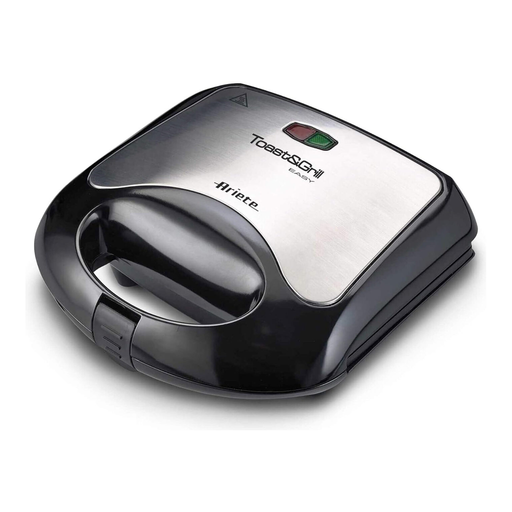
Why it fits: Ideal for those who mainly want to quickly prepare a warm sandwich or panini. Its compact design and vertical storage option make it perfect for small kitchens with limited space.
Although the plates are fixed (the cleaning trap), this is an acceptable compromise for purely making sandwiches. The non-stick coating simplifies cleaning when little fat is used. The 750W of power is perfectly adequate for toasting bread.
Extremely space-saving thanks to its vertical storage capability. Simple operation with an indicator light for quick use.

Why it fits: For anyone who wants to prepare more than just sandwiches. This appliance is suitable for precisely grilling steaks, fish, and vegetables, offering maximum control over the cooking process.
The 2000 watts of power guarantee a perfect sear (avoiding the power trap). The removable, dishwasher-safe plates (one ribbed, one flat) completely solve the cleaning trap. Separate temperature controls for the top and bottom plates offer a level of precision that standard devices lack.
Three grilling positions (contact grill, oven function, open BBQ grill) and two different plate types (grill & plancha) make it a true multi-functional appliance.

Why it fits: Perfect for families or for regularly grilling for multiple people. The large grilling surface and high power allow for preparing larger quantities in a short amount of time.
With a maximum power of 2800 watts, it bypasses the power trap. The 180° opening doubles the grilling surface to 1392 cm?, solving the size trap for use as a table grill. A removable drip tray simplifies cleaning when grilling large quantities of food.
Very high power and a large, foldable grilling surface make it a powerful table grill for the whole family. The adjustable plate angle ensures optimal contact with food of varying thickness.
We have compiled a complete, up-to-date list of products that fully meet these strict selection criteria and German safety regulations.
Unplug the appliance and let it cool down slightly so it is still warm but no longer hot. Wipe the plates with a damp cloth or paper towel. For stubborn residues, a sponge soaked in water can be placed on the still-warm plate to loosen the dirt with steam. Avoid aggressive cleaning agents or abrasive sponges to prevent damaging the non-stick coating. However, for regular use, a model with removable plates is highly recommended.
That depends on its intended use. For simple sandwiches and paninis, 750 to 1200 watts are sufficient. However, if you regularly grill meat, fish, or larger quantities of vegetables and want to achieve good browning with roasted flavours, you should choose a model with at least 1800 watts, or even better, 2000 watts or more.
Yes, a contact grill is excellent for preparing vegetables. Zucchini, bell peppers, eggplants, or asparagus cook quickly and evenly, acquiring appealing grill marks. Models with adjustable temperature control are advantageous here, as vegetables often require a lower cooking temperature than meat to avoid burning.