
Lieferung heute & morgen

Qualitätsgarantie

Willkommens-Angebote freischalten: KOSTENLOSE Lieferung | Bis zu 80 % RABATT | Kostenlose 30-Tage-JoyPlus-Testphase
App herunterladen
A contact grill can prepare sandwiches, paninis, meat, fish and vegetables in a space-saving way in the kitchen. However, not every appliance is right for every household. Small grilling surfaces, permanently fitted plates or unclear performance specifications can mean that a seemingly good-value purchase proves impractical in everyday use.
As a Joybuy Product Recommendation Officer, I filter the most important product features and assess them according to typical usage scenarios. This makes it easier to decide whether a compact panini grill, a powerful steak grill or a versatile electric grill is the right choice for your household.
The wattage initially describes the appliance’s electrical input power. A 2,000-watt contact grill can heat up quickly and is often suitable for larger portions. However, wattage alone does not tell you how evenly the heat is distributed or how large the usable grilling surface is.
A 750- or 800-watt appliance may be sufficient for toasties and individual paninis. For several steaks or thicker ingredients, a larger grilling surface with higher power is generally more practical.
A non-stick coating can make it easier to remove food. However, what matters is whether the plates can be removed, whether there is a drip tray and what cleaning method the manufacturer recommends.
‘Easy to clean’ does not automatically mean that all parts are dishwasher-safe. Before buying, check the details for dishwasher-safe grill plates, the drip tray and the housing. The electrical base unit must never be immersed in water.
A compact sandwich maker takes up little storage space, but often offers only a limited cooking area. For families, this can mean preparing food in several batches. Appliances with a lid that adapts to different food heights, or that can be opened fully, are particularly practical.
An opening angle of 180 degrees turns the sandwich grill into a small tabletop grill. This expands its uses, but requires more space on the worktop.
Smaller surfaces, such as 22 × 14 cm, are sufficient for one or two people. Households with several people will benefit from approximately 28 × 22 cm or more. Also consider the shape of the plates:
A simple indicator light usually only shows whether the appliance has heated up. For different ingredients, an adjustable thermostat offers greater precision. Automatic programmes can make operation easier, but they do not replace control over cooking time and food thickness.
If you frequently prepare meat, fish and vegetables, look for the widest possible temperature range. With a dedicated panini grill, on the other hand, heating time, even pressing pressure and the shape of the plates are more important.
Removable plates make cleaning easier and, with some appliances, allow you to use different attachments. A ceramic or stone-like coating may differ from a traditional non-stick coating; always follow the relevant care instructions.
Do not use metal turners or abrasive sponges on coated surfaces. Cast-iron plates often need to be washed by hand. A heavy material retains heat, but takes longer to heat up and requires more care when being carried.
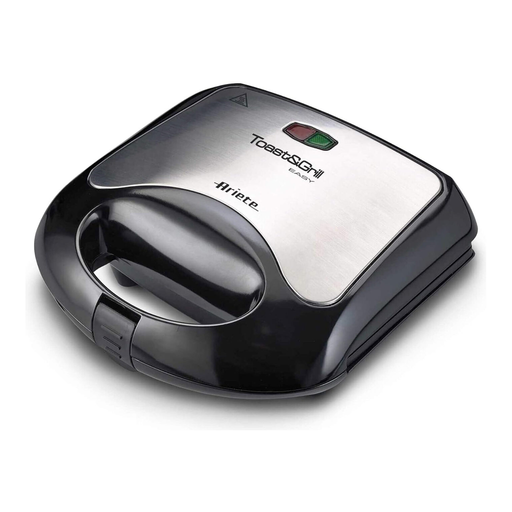
Why this product suits this profile: With 750 watts and a grilling surface of 22 × 14 cm, this compact sandwich grill is designed for individual sandwiches, paninis and small portions. Vertical storage saves space in smaller kitchens.
The information about the grilling surface, power and vertical storage makes the appliance’s limitations clear. It is intended more for snacks than for large family portions.
Non-stick coated plates, heat-resistant handle and locking mechanism; according to the product details, the plates can be cleaned with a damp cloth.
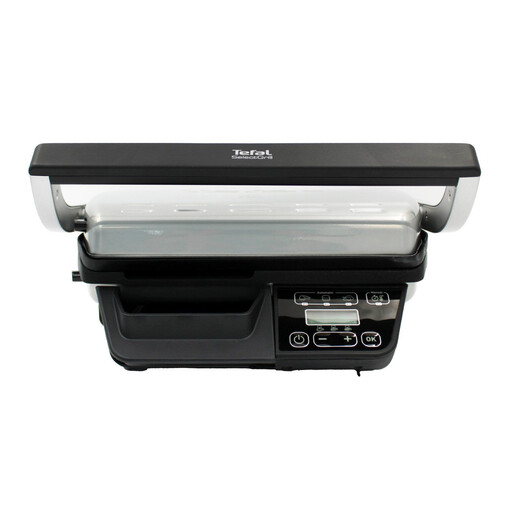
Why this product suits this profile: This contact grill offers a grilling surface of approximately 29.5 × 19.5 cm, three automatic programmes and a manual temperature range of 120 to 270 °C.
The 2,000-watt output is supported by specific details about the surface area, temperature and programmes. This makes it easier to assess the features rather than relying on wattage alone.
Digital timer, removable plates and removable drip tray; according to the product description, the plates and drip tray are dishwasher-safe.
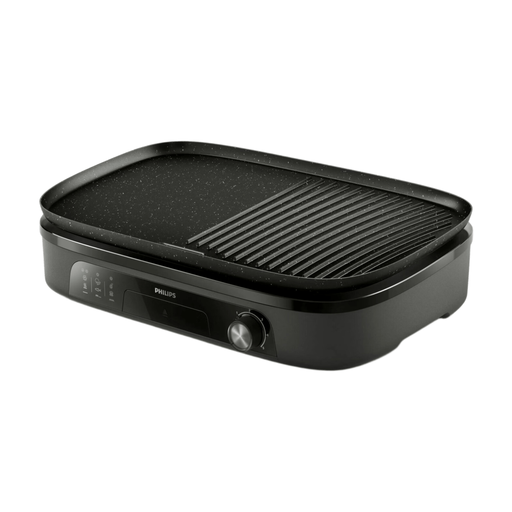
Why this product suits this profile: With a grilling surface of 1,250 cm², five power levels and two cooking zones, this appliance is designed for households that regularly prepare different ingredients and larger quantities.
The larger surface reduces the need for multiple batches. Removable plates and a drip tray also address the common drawback of hard-to-reach grilling surfaces.
2,400 watts, adjustable thermostat, grill and griddle surface, plus dishwasher-safe removable parts according to the product details.
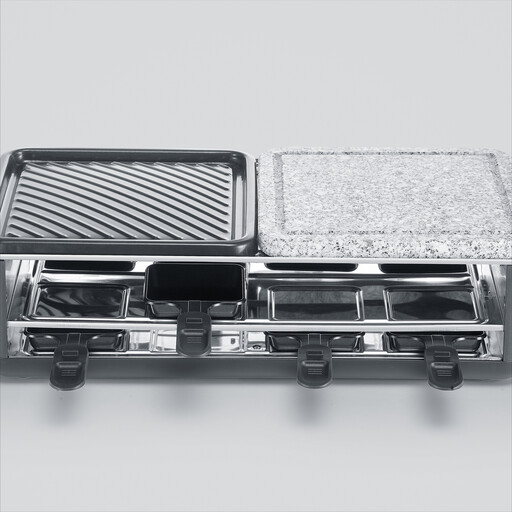
Why this product suits this profile: This tabletop grill is designed for up to eight people and combines a ceramic-coated grilling plate, natural stone surface and eight deep raclette pans.
The features are clearly designed for sharing food. A warming rack and variable temperature control help you use the pans and grilling surface at the same time.
Eight non-stick coated pans, 20 mm pan depth, click-in storage and an appliance width of 49 cm according to the product data.
We have put together a complete, regularly updated list of products that fully meet these strict selection criteria and the safety regulations applicable in the EU.
Costs depend on power, usage time and your electricity tariff. A 2,000-watt appliance theoretically uses 2 kWh after one hour at full load. In normal operation, however, a contact grill does not necessarily run continuously at full power. Shorter heating and cooking times can reduce actual consumption.
A 750-watt sandwich maker may be sufficient for individual toasties. If you regularly grill larger quantities, you should consider not only electricity consumption but also the number of batches required.
For sandwiches and paninis, 750 to 1,000 watts is often sufficient. For meat, larger portions and short heating times, appliances from around 2,000 watts upwards are one possible option. More important than wattage alone are the grilling surface, temperature control and heat distribution.
This depends on the space available, the appliance’s weight and your storage options. A compact model with vertical storage is suitable for small kitchens. Larger appliances should be placed on a stable, heat-resistant surface with sufficient clearance from flammable materials.
There is no single lifespan that applies in every case. It depends on use, temperature and care. Using gentle kitchen utensils, avoiding abrasive cleaning products and cleaning the appliance once it has cooled completely can help protect the surface. It is also important to check whether replacement plates or accessible customer service are available.