
Lieferung heute & morgen

Qualitätsgarantie

Willkommens-Angebote freischalten: KOSTENLOSE Lieferung | Bis zu 80 % RABATT | Kostenlose 30-Tage-JoyPlus-Testphase
App herunterladen
A contactless thermometer can make temperature checks easier for babies, children and adults. The measurement is usually taken using infrared technology at the forehead, without the device touching the skin. This is practical when checking sleeping children, while out and about, or when several family members use the same digital thermometer.
However, not all models offer the same features. A short measuring time alone says little about how suitable a device is for everyday use. Correct positioning, the measuring range, the display and the option to switch off sound signals are all important considerations.
Statements such as “1-second measurement” or “result in two seconds” refer to the duration of the measuring process. They do not automatically confirm accuracy in all conditions. Sweat on the forehead, an unsuitable distance, cold indoor air or incorrect positioning can affect the result.
An infrared thermometer with a distance sensor or positioning guide can make correct use easier. Even so, you should always follow the instructions for the model in question.
A forehead thermometer often measures body temperature only. If you also want to check the temperature of milk, bathwater, food or the surrounding air, you need a model with an object or liquid mode. This feature is not available on every contactless thermometer.
An ear thermometer also uses infrared technology, but is used differently. Correct positioning is particularly important for babies and toddlers. A device with forehead, ear and object modes offers greater flexibility, but may require more settings and more careful cleaning.
A green, yellow or red indicator is intended as a guide. It does not replace medical assessment and should not be interpreted on its own. Age-related thresholds can be useful because body temperature is assessed differently in infants, children and adults. However, the instructions and, if you have health concerns, advice from a medical professional remain the key points of reference.
First, consider what you want to use the device for:
A 3-in-1 thermometer may be of interest to families who want to check body, object and liquid temperatures with one device.
For checking temperatures at night, a silent thermometer with a switchable sound signal can be particularly useful. A thermometer with a fever alarm can warn of elevated readings acoustically, visually or with coloured backlighting. Check whether the alarm can be deactivated and whether the display is easy to read in low light.
A memory function helps you compare several readings. Depending on the model, seven, 20, 32 or 35 measurements may be stored, for example. This is useful, but it does not replace a separate record if you need to document readings over a longer period.
Many infrared models use two AAA batteries. A classic pen-style digital thermometer often uses an LR41 button cell. Button cells must always be kept out of children’s reach.
You should also pay attention to:
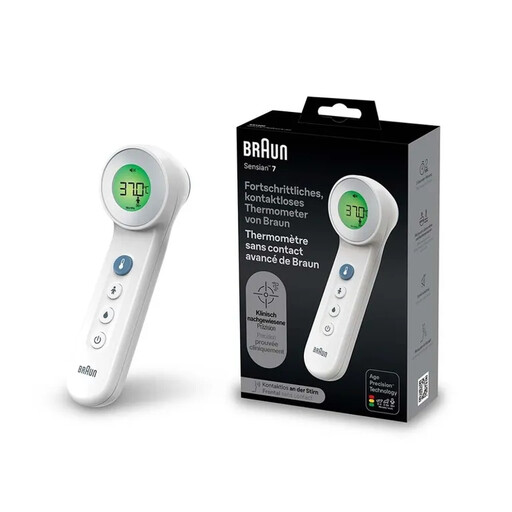
Why this product suits the profile: This model combines contactless and contact forehead measurement with an age-based indicator for infants, children and adults.
PositionCheck helps with correct placement. Silent mode prevents disruptive sound signals when checking sleeping children.
Body, food and liquid measurement; colour-coded LCD display and a measuring time of around two seconds according to the product details.
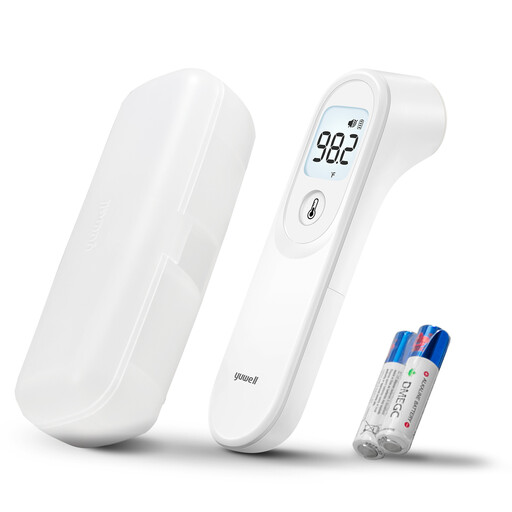
Why this product suits the profile: Ideal for families looking for straightforward forehead measurement, a short measuring time and a switchable sound signal.
The distance sensor supports the intended positioning from around five centimetres away. Silent mode is designed for checks during the night.
Three sensors, display in Celsius or Fahrenheit, and a temperature warning from the threshold of 37.5 °C specified in the product details.
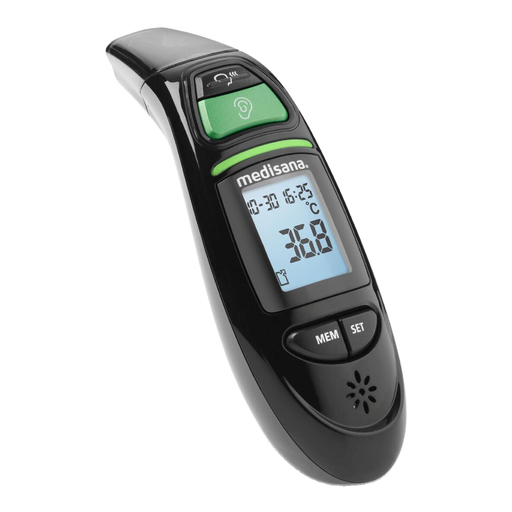
Why this product suits the profile: Its six measuring functions are designed for households that want to check body, liquid, surface and room temperatures.
The different modes make it clear whether body or object temperature is being measured. This helps reduce mix-ups in everyday family use.
Forehead and ear measurement, as well as surface, liquid and room-temperature measurement; memory function with date and time display.

Why this product suits the profile: For people who prefer a simple digital thermometer with a flexible tip and traditional measurement.
The flexible measuring tip and washable probe area make hygienic use easier. No contactless measuring distance is required.
Flexible tip, LCD display, memory for the last reading and an acoustic signal when the measurement is complete.
We have put together a complete, regularly updated list of products that fully meet these strict selection criteria and the safety regulations applicable in the EU.
For babies, children, adults and older people, a reading should always be considered in the context of their general wellbeing. If you are unsure or experiencing health problems, seek medical advice.
An infrared sensor detects the heat radiation from the forehead. The device uses this to calculate a temperature reading, usually displaying it within one to two seconds. The distance, measuring site and surrounding conditions affect the result.
The service life depends on the batteries, storage, cleaning and daily use. A thermometer should be kept dry, protected from direct sunlight and out of children’s reach. If the display becomes dim or the device responds unreliably, replace the batteries as instructed.
The running costs mainly consist of batteries. Models with AAA batteries require occasional replacement, depending on how often they are used. Disposable probe covers are not required for many forehead models, while some ear thermometers may require accessories or specific hygiene procedures. For this reason, check the contents and cleaning instructions before buying.