
Lieferung heute & morgen

Qualitätsgarantie
App herunterladen
Kategorien
A contouring palette is a functional makeup product designed to define and sculpt facial features through the strategic application of light and shadow. It typically combines various powder or cream shades to create visual depth. Lighter shades, known as highlighters, accentuate specific areas of the face, while darker contour shades create recession. The result is a more defined and structured facial appearance.
Selecting the right face palette depends on several objective factors. A systematic review of these criteria will simplify your decision.
The compatibility of the palette's colours with your skin tone is fundamental.
The formulation influences both the application and the final result.
Colour intensity and the ability to blend the product seamlessly are crucial quality indicators. High pigmentation is not necessarily better; buildable coverage allows for more control and minimises the risk of harsh lines. The powder or cream should be workable into the skin without becoming patchy.
A palette can contain various components. Some focus purely on contouring, while others offer a more comprehensive solution as a bronzer and highlighter palette.
Based on an analysis of product specifications and applications, here is our selection of contouring palettes.
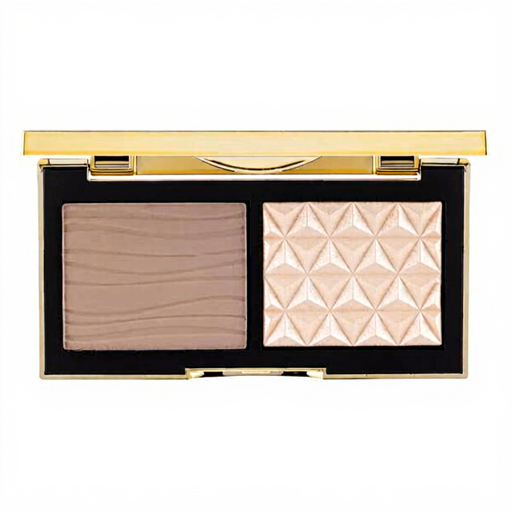
Why we recommend this product: This duo combines a sculpting powder with a highlighter. The creamy powder formula is designed for up to ten hours of wear, as stated by the manufacturer. The technology aims to create a luminous finish through prismatic reflections, making it suitable for various skin types and ensuring an even application.
Benefits:
Who it's for: Users seeking a high-quality duo for definition and glow. The combination of the cool contour shade "Omega" and the shimmering highlighter "Double Gleam" is especially designed for light to medium skin tones aiming for a radiant result.
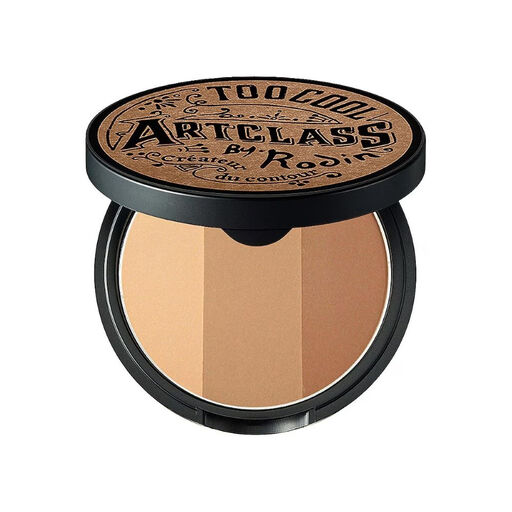
Why we recommend this product: This palette contains three coordinated shades that can be used individually or mixed to create a custom contour depth. The ultra-fine powder texture with a matte finish allows for seamless blending without harsh lines. The product was developed to suit both warm and cool skin tones.
Benefits:
Who it's for: Users looking for versatile contouring makeup with a natural, matte result. Its customisable shades make it a functional choice for both beginners and advanced users.
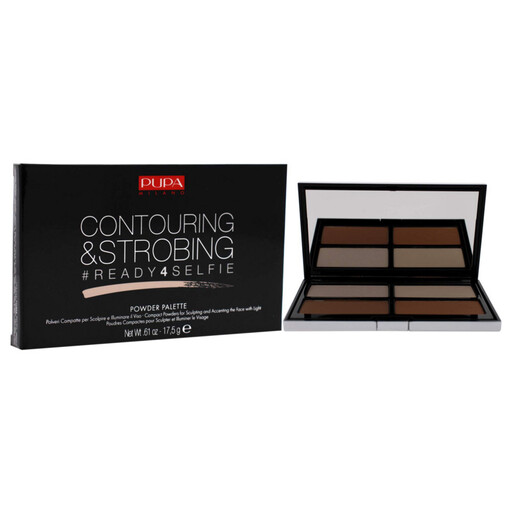
Why we recommend this product: This palette integrates contouring and strobing powders into one product. It uses a blend of spherical powders and pigments for excellent adhesion and a natural finish. The integrated soft-focus technology aims to visually minimise skin imperfections and fine lines. The highlighter is enriched with golden micro-pearls to reflect light.
Benefits:
Who it's for: Users with light skin tones (specifically the 001 variant) who are looking for a complete highlighter palette and contouring option in one. It is particularly relevant for those who value a visually smoothed complexion.
The products featured here cover specific use cases. However, the market offers a wide variety of formulations and colour combinations. For a comprehensive overview of other products and brands, we recommend exploring our main category.
Discover our full range of face palettes here
1. What is the difference between contouring and bronzing? Contouring is used to create shadows and sculpt the face. This is done with matte, ashy tones applied under the cheekbones, on the temples, and along the jawline. Bronzing, on the other hand, is meant to give the face warmth and a sun-kissed effect. Bronzers are typically warmer in tone and are applied where the sun would naturally hit, such as the cheekbones, forehead, and the bridge of the nose.
2. How do I find the right shade for my contour powder? A contour shade should be about two to three shades darker than your natural skin tone. The undertone is crucial: people with cool skin undertones should choose a contour powder with a greyish or taupe cast. Those with warm skin undertones can opt for contour shades with a slightly warmer brown. Ideally, test the colour on your jawline to see if it creates a natural-looking shadow.
3. Can you use a contouring palette on your eyes? Yes, the powders in a contouring palette are often versatile. The matte contour shades work well as an eyeshadow in the crease to add depth to the eye. The highlighter can be applied to the inner corner of the eye and under the brow bone to visually open up and accentuate the eye.