What should you look for when buying?
First, check the available space and how the heater can be positioned. Then compare noise levels, your heating needs and the controls, as well as the likely running costs based on how long you’ll actually use it.
| What to consider |
What to look for |
Who it matters most to |
| Safe positioning |
Check the specific model’s instructions for installation type, clearances from furniture and fabrics, and unobstructed air inlets and outlets. |
If you plan to place the heater close to your desk, bed or curtains, the space must meet the instructions. Around 31% of consumers are primarily concerned with safe positioning. |
| Operating noise |
Check whether the heater has a fan and whether you can switch it off; consider the manufacturer’s information for the exact model. |
If you want peace and quiet while working or before bed, remember that fan-free heaters can still make other operating noises. Around 25% of consumers are primarily concerned with quiet operation. |
| Heating needs and controls |
Consider room size, ceiling height, insulation and windows, as well as rated output, the thermostat and, where available, a timer programme. |
If you spend long periods at your desk, the supplementary heater should suit your room and how long you use it. Being close to the desk alone doesn’t mean it will provide enough warmth. Around 25% of consumers are primarily concerned with heating performance. |
| Ongoing electricity costs |
Work out the cost using the power rating in kilowatts, the actual number of hours you heat the room and your electricity price per kilowatt-hour. |
If you mainly heat the room during individual periods of work, your bill will depend on how long the heater actually runs and your tariff. Around 19% of consumers are most concerned about running costs. |
The Institute for Loss Prevention and Loss Research of Public Insurers stresses that the required clearances depend on the individual heater. A tip-over or overheat protection feature is no substitute for choosing a suitable place to position it.
Convector heaters at Joybuy
The models below are electric convector heaters for adding warmth to a room. Pay particular attention to the power rating, installation type and how long you plan to use the heater.
 No image available
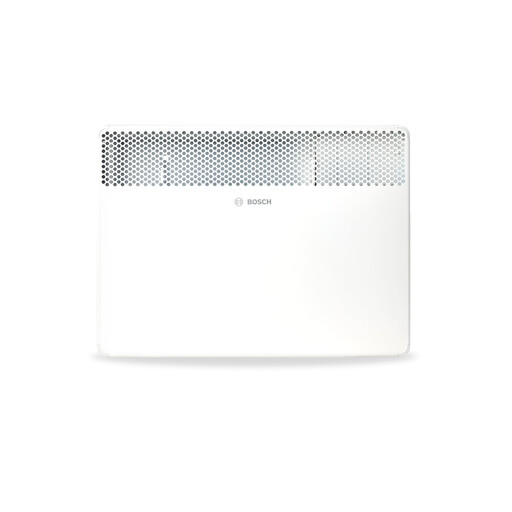
Bosch HC 4000-15 convector heater, 1500 W, up to 15 m²
The stated power rating and room size can help you choose a version, but actual suitability also depends on your bedroom.
1500 W; listed in the product title as suitable for rooms up to 15 m². Feet for freestanding use are sold separately.
View at Joybuy
 No image available
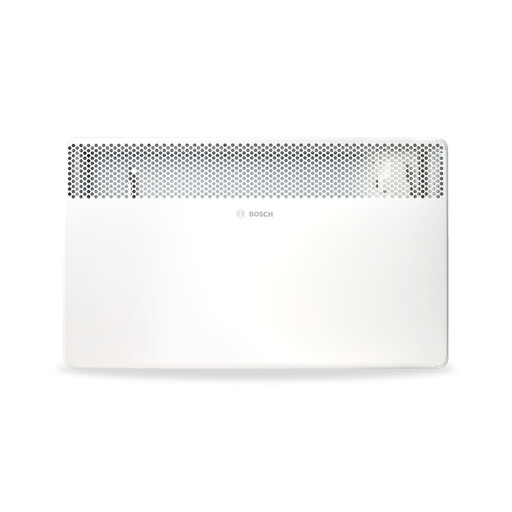
Bosch HC 4000-20 convector heater, 2000 W, up to 20 m²
This version has a higher power rating than the HC 4000-15 model. Choose based on your heating needs and the characteristics of your room.
2000 W; listed in the product title as suitable for rooms up to 20 m². Feet for freestanding use are sold separately.
View at Joybuy
 No image available
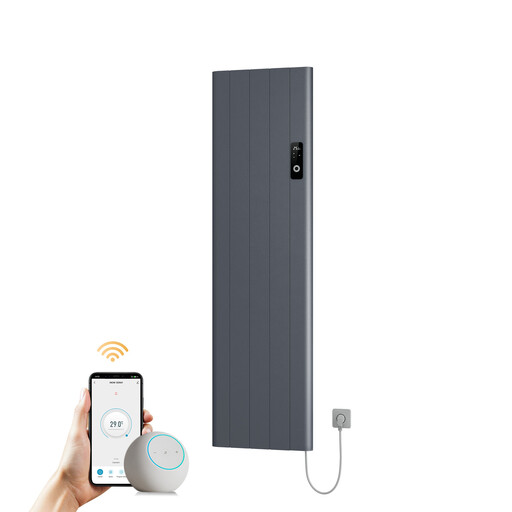
EMKE wall-mounted convector heater, 1500 W, with LCD display
Wall mounting may be an option if you want to free up space around your desk and the chosen mounting position is suitable.
1500 W; the product title lists an LCD display, Wi-Fi app control, thermostat and weekly timer.
View at Joybuy
 No image available
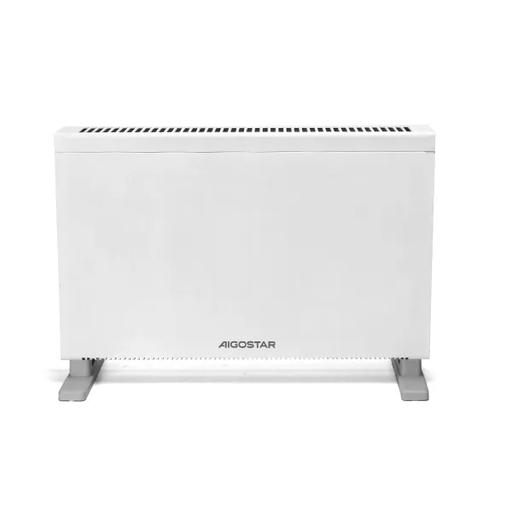
Aigostar convector heater, 2000 W, with remote control
A freestanding model is only suitable if there’s enough space to meet the required clearances.
2000 W; remote control listed in the product title. For this model, a clearance of at least 1 m from furniture, curtains and other objects is specified.
View at Joybuy
 No image available
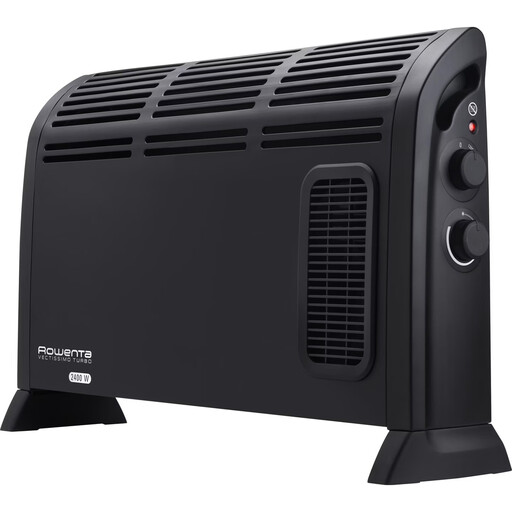
Rowenta Vectissimo II CO3035 convector heater with fan
The fan may suit you if you’d rather have more active air circulation than the quietest possible operation.
Described as a freestanding room heater with convection and fan modes. The fan may produce audible noise.
View at Joybuy
Frequently asked questions
What power rating should I choose for a convector heater in my bedroom?
There’s no single wattage that will suit every bedroom. Consider the room size, ceiling height, insulation and windows, as well as how long you want to heat the room. Then compare the power rating and controls of the specific model.
Can I put the convector heater directly under my desk or next to my bed?
Only if the instructions for the specific heater allow this position and the required clearances. Check the air openings, nearby fabrics and stability; there’s no minimum clearance that applies to every heater. The Institute for Loss Prevention and Loss Research of Public Insurers explains clearances using a fan heater as an example, rather than measurements for all convector heaters.
How do I work out the electricity costs of a convector heater?
Multiply the actual number of hours the heater runs by its electrical power in kilowatts and your electricity price per kilowatt-hour. Running a 2 kW heater continuously for one hour uses 2 kWh. If a thermostat switches the heater off, the actual heating time will be shorter than the total time you spend in the room.
Are there any specific requirements for convector heaters in Germany?
Covered local space heaters placed on the EU market are subject to ecodesign requirements under Regulation (EU) 2024/1103. The new rules have applied since 1 July 2025 to relevant heaters newly placed on the EU market. A product advert or listing alone isn’t enough to establish whether an individual heater being offered complies.
How noisy is a convector heater without a fan?
A fan-free model avoids the constant sound of a running fan, but it isn’t necessarily completely silent. Depending on the heater, you may hear it switching on or warming up. Check the information for the exact version and bear in mind that this comes from the manufacturer.


